
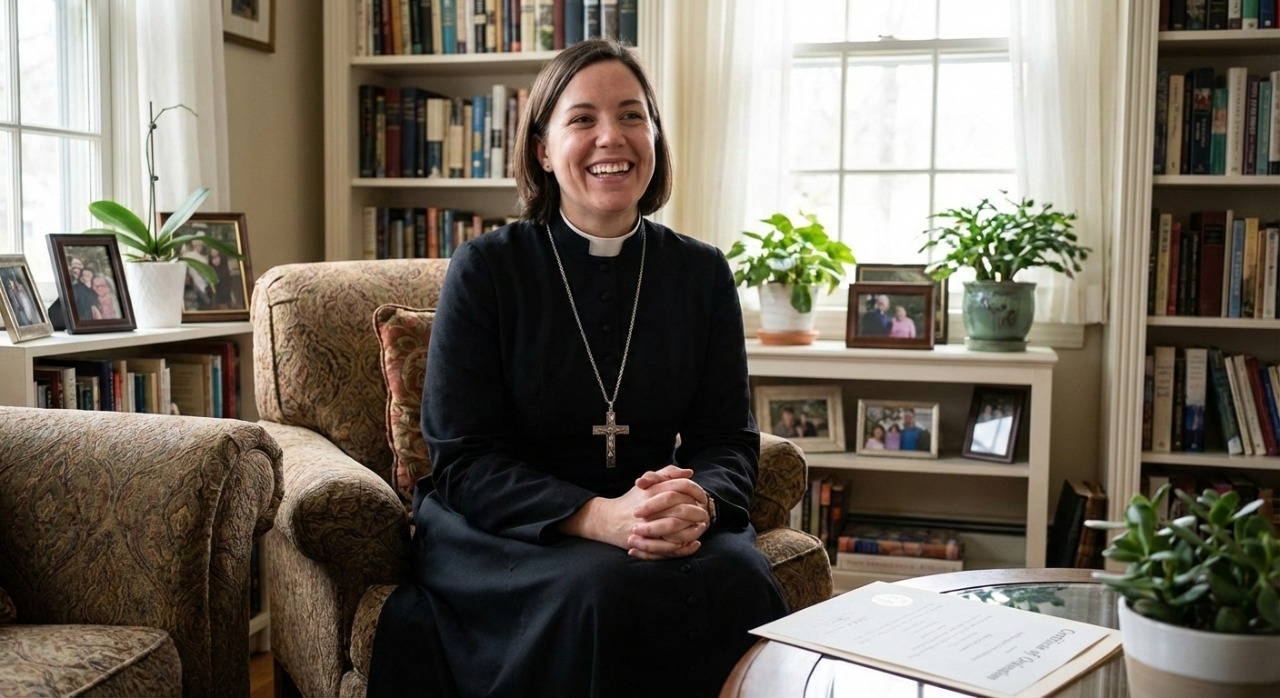
Entering ministry as a female pastor or church leader is a remarkable journey. Part of this journey involves selecting the right clergy robes for ladies, a choice that blends tradition, comfort, and respect for the sacred office. Yet, for many women, this process can feel overwhelming. From understanding church expectations to balancing style, fit, and function, selecting the right robe is no simple task.
In this guide, we explore the 7 most common robe mistakes women make and offer professional insights to help you make informed decisions. By the end, you’ll have a roadmap for choosing female clergy attire that aligns with your calling and exudes confidence, professionalism, and grace.
Why Choosing Clergy Robes for Ladies Can Feel Intimidating
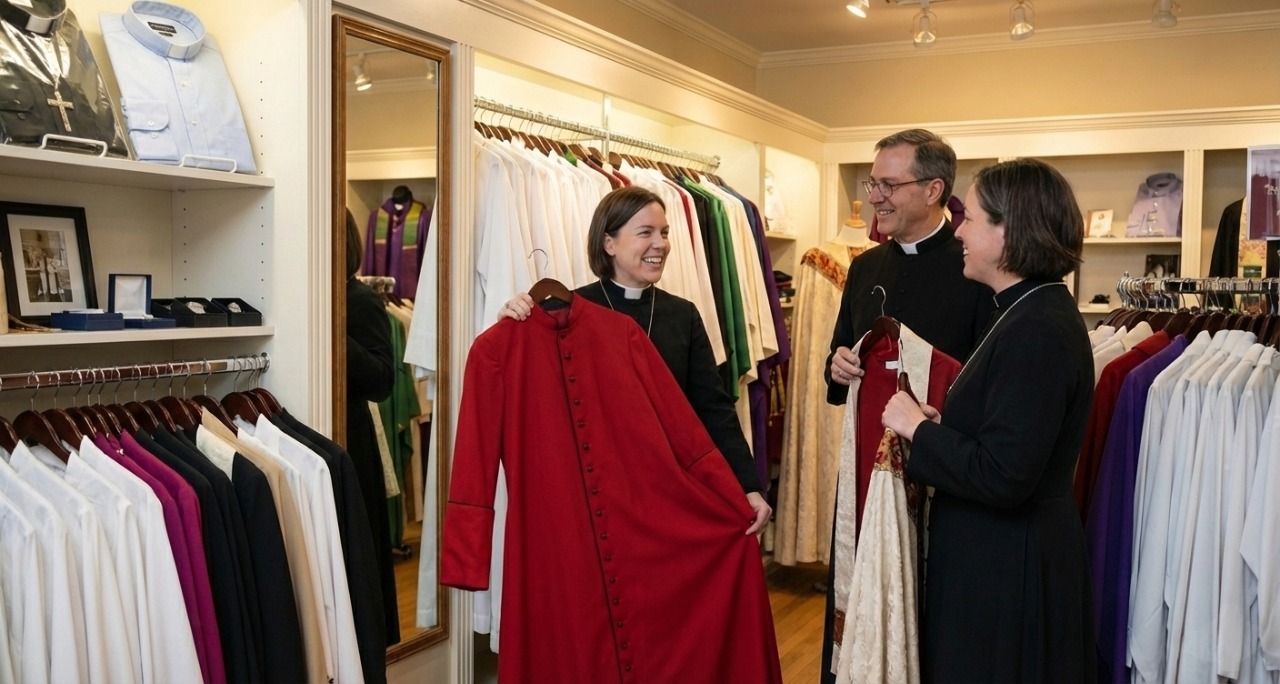
Stepping into your first service or ordination is both exciting and nerve-wracking. Many women report feeling unsure about how their robe reflects their ministry, identity, and professionalism.
- High-pressure moments: Whether it’s your first sermon, a special ceremony, or a major church event, you want your robe to convey authority and respect.
- Symbolic importance: In many traditions, including clergy attire, robes are more than garments, they represent faith, commitment, and spiritual leadership.
- Denominational differences: Each church or denomination has unique standards for style, color, and accessories, meaning one size or style rarely fits all.
Selecting a clergy robe isn’t just a fashion choice. It’s about aligning your external presentation with your internal calling, creating a lasting impression, and showing reverence for the sacred setting. Recognizing these stakes helps frame the decision-making process in a more informed and intentional way.
Begin by observing how seasoned female ministers dress in your denomination, taking note of both traditional and contemporary styles. This will give you context for balancing comfort and ceremony.
Ignoring Your Church’s Dress Expectations
Many women make the mistake of browsing online catalogs and purchasing clergy robes for ladies based purely on aesthetics, without consulting church leadership.
Common Pitfalls:
- Selecting robes that clash with your denomination’s guidelines.
- Overlooking ceremonial requirements like stoles, overlays, or color-coded vestments.
- Assuming that robes worn by other denominations are universally acceptable.
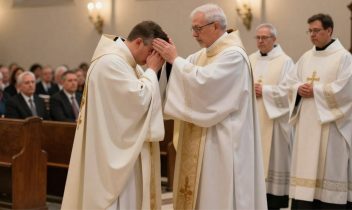
Every church has its expectations. For example, Catholics follow centuries of tradition regarding color, length, and ceremonial embellishments. Wearing a robe that deviates from expectations can be seen as disrespectful or unprofessional.
So, keep in mind some solution points:
- Consult your church leadership: Confirm the approved styles, colors, and ceremonial additions.
- Review church policy: Many churches provide formal guidelines for clergy attire.
- Observe peers: Pay attention to how other female ministers dress during services.
By aligning your choice with official guidance, you avoid missteps while ensuring your robe communicates professionalism and reverence.
Prioritizing Style Over Comfort
A visually appealing robe is important, but comfort cannot be overlooked. Many women fall into the trap of choosing female clergy attire that looks stunning but is heavy, restrictive, or unsuitable for extended wear.
Common Issues:
- Heavy fabrics: Long services become tiring if your robe is too dense or cumbersome.
- Tight sleeves or restrictive cuts: Prevent ease of movement during preaching, processions, or ceremonies.
- Poor ventilation: Hot or non-breathable materials can cause discomfort, especially in crowded spaces.
Professional Advice:
- Opt for breathable fabrics like cotton blends, light polyester, or other materials that balance drape with comfort.
- Test movement: Make sure you can lift your arms, walk, and sit comfortably.
- Consider lining: A soft lining enhances comfort and prevents irritation from seams or embellishments.
Story Example:
One newly ordained minister shared that she initially bought a stunning velvet robe, only to realize during her first Easter service that the heavy fabric restricted her movements. Switching to a lined polyester robe allowed her to focus on the congregation rather than adjusting her clothing every few minutes.
Comfort ensures that your focus remains on ministry and service, not on constant wardrobe adjustments.
Mi Skipping Proper Measurements
Assuming a general dress size will suffice is a common error when ordering clergy robes for ladies. These robes are often cut differently from regular garments and must accommodate layering, ceremonial accessories, and modesty requirements.
Key Considerations:
- Height, bust, waist, hips, shoulder width, and sleeve length.
- Petite, tall, or plus-size adjustments.
- Movement allowances for kneeling, walking, or raising arms during services.
Incorrect measurements can make robes look sloppy or uncomfortable. For female ministers, a poorly fitted robe may detract from their presence, reduce confidence, and even interfere with the ceremonial flow.
Professional Recommendations:
- Measure carefully or enlist professional tailoring assistance.
- Compare your measurements with the robe’s specifications and ask for custom adjustments if necessary.
- Account for layering garments beneath the robe, particularly in colder climates or during formal events.
Proper measurement ensures that your robe complements your body type, aligns with Catholic priest attire norms if needed, and maintains a polished appearance.
Ignoring Body Type and Fit
A one-size-fits-all mentality often leads women to select robes that are unflattering or impractical. Recognizing your body type and choosing a robe that accommodates it is essential for both comfort and professional presentation.
Points to Consider:
- Petite: Avoid excessive fabric that overwhelms the frame.
- Tall: Ensure the robe’s length maintains proportion and does not drag on the floor.
- Curvy or plus-size: Tailored yet relaxed cuts preserve modesty while enhancing elegance.
- Straight cuts: May appear shapeless; choose designs that subtly contour while remaining modest.
Robes are not just functional garments, they also convey presence and authority. A well-fitted robe allows a minister to move with grace and confidence, projecting professionalism without sacrificing modesty.
Many female ministers report feeling more empowered when their robes fit appropriately. The right fit enhances posture, comfort, and visibility during sermons or ceremonies, establishing an immediate sense of trustworthiness with the congregation.
Choosing the Wrong Color for the Occasion
Colors carry significance in ministry. Ignoring this can diminish the impact of your service or appear disrespectful.
Common Mistakes:
- Wearing the same robe for all services.
- Failing to account for liturgical seasons and ceremonial contexts.
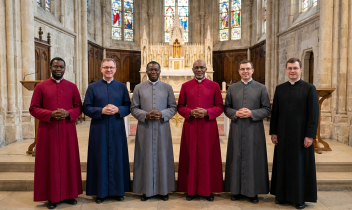
- Overlooking ceremonial norms in Catholic priest attire.
The color of a clergy robe communicates the meaning of the service and season. For example,
- White: Celebrations, weddings, and joyful services.
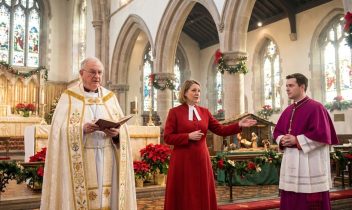
- Red: Holy Spirit events, Pentecost, and martyr commemorations.
- Purple: Lent, repentance, and solemn observances.
- Green: Ordinary church services.
- Black: Funerals or solemn events.
- Gold: Major feasts, festivals, and special celebrations.
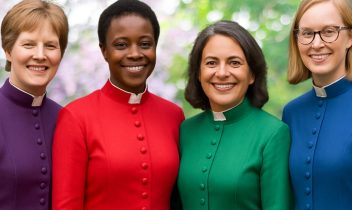
- Blue: Marian devotion, peace, or Advent services.
Maintain a versatile robe wardrobe that allows for color flexibility according to the season, ceremony, or event.
Overlooking Practical Details
While aesthetics are important, functionality is equally critical when selecting female clergy attire. Even the most elegant robes can become cumbersome if they lack practical features, affecting both comfort and professional presence.
- Pockets: Essential for carrying small items discreetly.
- Functional closures: Smooth zippers or buttons for ease of wear.
- Wrinkle-resistant fabrics: Ideal for travel and maintaining a polished look.
- Easy maintenance: Fabrics that are simple to clean and care for.
Ministers frequently move between multiple services, attend special events, and participate in lengthy ceremonies. A robe that is difficult to manage or maintain can add stress and distract from ministry duties, undermining a professional appearance.
Professional Recommendations:
- Select robes with convenient pockets and secure closures to simplify use.
- Prioritize wrinkle-resistant, easy-care fabrics to ensure the robe remains crisp and presentable.
- Use garment bags when traveling to protect the robe’s structure and finish.
By balancing elegance with practicality, a well-chosen robe enables ministers to serve confidently, focus on their congregation, and maintain a professional, polished presence throughout every service and event.
Treating Your First Robe as Permanent
Many women mistakenly assume that their first robe will serve every ministry need, but this approach often leads to frustration and unnecessary wear. A single robe cannot accommodate the full range of services, liturgical seasons, and special events, especially when considering high-liturgical or ceremonial requirements. Starting with a neutral and versatile robe provides a foundation for daily services, while gradually adding stoles, overlays, or event-specific robes ensures readiness for special occasions.
- One robe is rarely enough for multiple events, seasons, and ceremonial requirements.
- Specialty robes may be required for ordinations, high-liturgical services, or festival event.
- Mixing ceremonial and daily ministry robes can cause confusion and wear.
Keeping daily ministry robes separate from Catholic priest attire or other high-liturgical garments preserves their longevity and professionalism. By following this approach, your clergy wardrobe becomes flexible, cost-effective, and well-suited to reflect your ministry with confidence and dignity.
Where to Find the Best Clergy Robes for Ladies
Selecting high-quality robes is critical, and choosing a trusted supplier ensures both comfort and authenticity. One of the best options is Holy Clergy, a brand dedicated to providing beautifully crafted, durable, and versatile clergy robes for ladies. Their collection combines traditional design with modern comfort, catering to different body types, ceremonial needs, and denominational standards. Holy Clergy’s robes are designed for daily ministry, high-liturgical services, and special occasions, making it easy for female ministers to find attire that fits, flatters, and aligns with church expectations.
Final Checklist Before Purchasing Clergy Robes for Ladies
- Confirm church approval for style, color, and length.
- Take accurate measurements for your body type.
- Select climate-appropriate and wrinkle-resistant fabrics.
- Ensure proper fit and movement comfort.
- Maintain a wardrobe suitable for different seasons, services, and ceremonies.
- Choose practical features like pockets and functional closures.
Following this checklist helps ensure your robe communicates professionalism, respect, and authority while supporting your ministry activities.
Conclusion:
Choosing clergy robes for ladies is an essential step in a woman’s ministry. By avoiding these common mistakes, you can select attire that balances comfort, tradition, and ceremonial appropriateness. A well-chosen robe enhances your presence, reflects your calling, and allows you to focus fully on ministry.
Starting with a versatile, neutral robe and gradually expanding with stoles, overlays, or ceremonial garments ensures your wardrobe grows alongside your ministry. Trusted brands like Holy Clergy provide quality robes that meet diverse needs, offering style, comfort, and alignment with Catholic priest attire and other denominational standards.
Thoughtful robe selection ensures every service is marked by professionalism, elegance, and reverence, letting your ministry shine through attire that truly reflects your dedication and calling.

Recent Comments