

Clergy robes have long been one of the most recognizable symbols of Christian worship. Whether seen during a quiet weekday service or a grand cathedral ceremony, these garments immediately signal reverence, authority, and spiritual responsibility. Yet for many observers both inside and outside the Church, the deeper meaning behind clergy robes often remains a mystery. Why are clergy robes worn at all? Why do colors change throughout the liturgical year? And what do details like stripes, cassocks, or ornate designs truly represent?
Far from being simple ceremonial clothing, clergy robes carry centuries of theological symbolism, biblical references, and church tradition. They communicate role, rank, season, and sacred purpose, often without a single word being spoken. For clergy members, robes serve as a visible reminder that their calling is not personal, but vocational; for congregations, they reflect continuity with a faith tradition that spans generations.
In today’s churches, especially as modern worship styles evolve, the relevance of clergy robes and clergy clothing for men is sometimes questioned. Yet these garments remain deeply meaningful, blending history, faith, and identity into a single visual expression. This article explores the origins, symbolism, colors, and hidden meanings of clergy robes, revealing why they continue to hold such spiritual and cultural importance within Christianity.
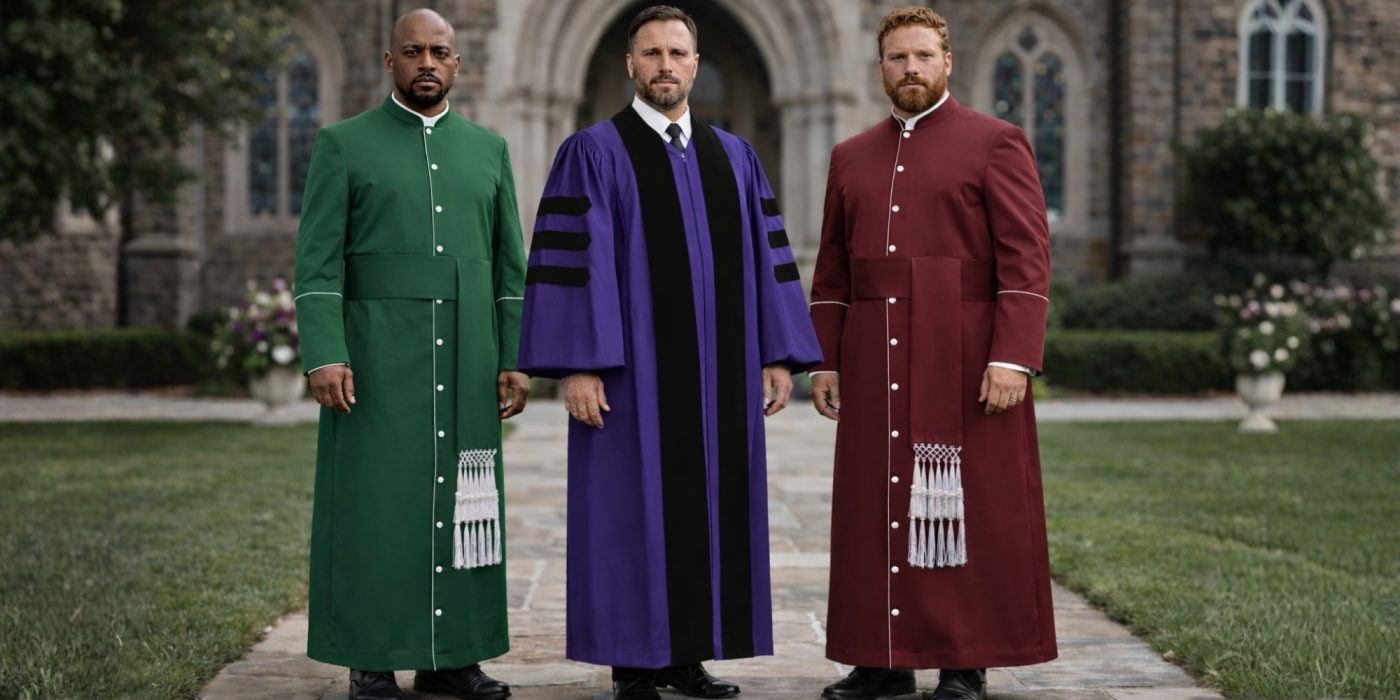
The Historical Origins of Clergy Robes
The origins of clergy robes can be traced back to the earliest centuries of Christianity, long before church attire became formalized. In the early Church, clergy members did not initially dress differently from ordinary people. Instead, they wore everyday garments common in the Roman world, such as tunics and cloaks. Over time, as secular fashion evolved, the Church preserved older styles of dress, unintentionally creating a distinct clerical appearance.
By the fourth and fifth centuries, as Christianity became more structured and publicly recognized, clergy robes began to take on greater symbolic meaning. These garments represented separation from secular life and dedication to spiritual service. What once were normal clothes gradually transformed into sacred vestments, set apart specifically for worship and ministry.
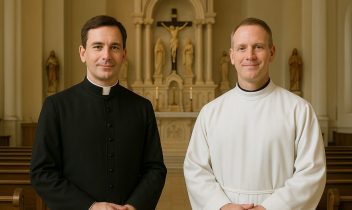
The cassock, for example, evolved from long Roman tunics and became a foundational piece of clergy clothing for men. Its ankle-length design symbolized modesty, humility, and discipline, qualities expected of clergy members. Similarly, the surplice and alb developed from simple white garments worn for practical cleanliness during worship, later becoming symbols of purity and righteousness.
As church hierarchy expanded, different roles within the clergy began to adopt variations in attire. Bishops, priests, and deacons each developed distinct vestments, helping congregations visually understand ecclesiastical order. By the Middle Ages, clergy robes were firmly established as sacred garments, deeply tied to liturgical practice, church authority, and theological meaning.
Why Clergy Robes Are Worn in Christian Worship
Clergy robes are worn not for decoration, but for purpose. At their core, these garments shift attention away from the individual and toward the sacred role the clergy member fulfills. When a priest or minister dons clergy robes, personal identity fades into the background, allowing the focus to rest on worship, scripture, and sacrament.
One of the primary reasons clergy robes remain central to Christian worship is symbolism. Robes signify spiritual authority granted by the Church rather than personal status or wealth. This visual consistency reinforces humility and equality before God, reminding both clergy and congregation that ministry is a calling, not a performance.
Clergy clothing for men also serves a practical function during worship. Standardized garments eliminate distractions caused by fashion trends or personal style choices. Instead, robes create visual unity and continuity across generations of worshippers. Whether in a small parish church or a large cathedral, clergy robes communicate solemnity, reverence, and sacred order.
Additionally, robes help mark the transition from ordinary time to sacred time. Putting on clerical vestments is often a deliberate ritual for clergy members, a moment of preparation that reinforces spiritual focus. In this sense, clergy robes are not just worn; they are embraced as part of the worship experience itself.
The Symbolism of Colors in Clergy Robes
Color plays a powerful role in the meaning of clergy robes, particularly within liturgical traditions. Each color used in clergy attire carries theological significance, often reflecting seasons of the Church calendar, emotional tone, or spiritual themes.
White is commonly associated with purity, holiness, and resurrection. It is worn during celebrations such as Easter, Christmas, baptisms, and weddings. The white surplice, in particular, symbolizes the righteousness granted through faith and the cleansing of sin.
Black clergy robes, including the traditional cassock, represent humility, solemnity, and devotion. Black serves as a reminder of the seriousness of the clerical vocation and the call to live a disciplined, prayerful life. For centuries, black has remained a foundational color in clergy clothing for men across denominations.
Red is worn during Pentecost and feast days honoring martyrs. It symbolizes the Holy Spirit, sacrifice, and the blood of those who gave their lives for the faith. Purple or violet robes reflect repentance, preparation, and reflection, making them central to Advent and Lent.
Green, often seen during Ordinary Time, represents growth, hope, and spiritual renewal. Through these colors, clergy robes silently communicate the rhythm of Christian life, celebration, repentance, sacrifice and hope without the need for explanation.
What Do the Stripes on Clergy Robes Mean?
Stripes on clergy robes may appear decorative at first glance, but they often carry layered meaning rooted in tradition and function. In some denominations, stripes indicate rank, office, or academic achievement. In others, they reflect historical tailoring practices that evolved into symbolic features.
Vertical stripes can represent spiritual authority and responsibility, emphasizing the clergy member’s role as a guide between heaven and earth. In certain traditions, colored bands or trim signify liturgical seasons or specific clerical roles, such as deacons or choir members.
Stripes may also reference biblical symbolism. Scriptural imagery frequently associates garments with righteousness, honor, and divine calling. Decorative elements on clergy robes reinforce these themes, transforming clothing into visual theology.
Though modern designs vary, stripes remain a subtle yet meaningful aspect of clergy robes, one that blends aesthetics with centuries-old symbolism.
Why Clergy Robes Became Ornate and Decorative
Many people wonder why clergy robes are often ornate, especially when Christian teachings emphasize humility. Historically, elaborate vestments developed not to glorify individuals, but to honor God. Churches used the finest materials available, embroidered fabrics, rich colors, and detailed designs, as offerings of devotion.
During the medieval period, art, architecture, and vestments all reflected the Church’s desire to express divine beauty. Clergy robes became visual sermons, teaching theology through symbolism. Gold thread represented divine glory; intricate patterns reflected heaven’s order and majesty.
Over time, ornate clergy robes also helped distinguish sacred ceremonies from everyday life. The contrast reminded worshippers that they were participating in something holy and set apart. While modern churches may adopt simpler styles, the legacy of decorative clergy robes remains deeply rooted in Christian history.
The Biblical Meaning of Robes
Robes appear frequently in the Bible as symbols of authority, righteousness, and divine favor. From Joseph’s coat of many colors to the white robes described in the Book of Revelation, garments consistently represent spiritual status and transformation.
In Scripture, being clothed by God often signifies acceptance, forgiveness, and purpose. Priestly garments in the Old Testament were carefully designed according to divine instruction, emphasizing holiness and obedience. These biblical foundations continue to influence modern clergy robes.
When clergy wear robes today, they participate in this symbolic tradition, visibly representing a life dedicated to service, obedience, and faithfulness.
Modern Relevance of Clergy Robes Today
Despite evolving worship styles, clergy robes remain relevant in contemporary Christianity. They provide continuity in a rapidly changing world, grounding worship in tradition while adapting to modern needs.
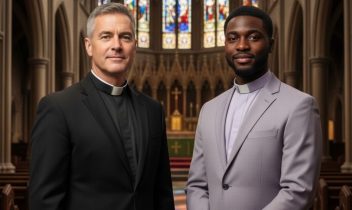
Today’s clergy robes balance comfort, symbolism, and accessibility, allowing clergy members to serve effectively while maintaining visual reverence. As conversations around identity and authenticity grow, clergy robes continue to offer clarity, visibly expressing sacred calling in an increasingly informal culture.
Frequently Asked Questions (FAQs)
What is the origin of robes for clergy, and what is the symbolism behind them?
Clergy robes originated from everyday Roman garments that later became sacred attire. The white surplice symbolizes purity, while the black cassock represents humility and devotion.
What do the stripes on a clergy robe mean?
Stripes often signify rank, role, or liturgical season. They may also symbolize spiritual authority and responsibility within the Church.
What is the symbolism of the colors of robes worn by priests?
Colors represent theological themes, white for purity, black for humility, red for sacrifice, purple for repentance, and green for spiritual growth.
Why do Christian churches dress clergy in ornate robes?
Ornate clergy robes developed as offerings of honor to God, using beauty and symbolism to reflect divine glory and sacred purpose.
What does a robe symbolize in the Bible?
In the Bible, robes symbolize righteousness, authority, divine favor, and spiritual transformation.
Conclusion
Clergy robes are far more than ceremonial attire, they are rich in history, symbolism, and spiritual significance. From their origins in early Christianity to their contemporary forms, these garments tell stories of devotion, hierarchy, and faith. Whether black, white, or vividly colored, every robe, stripe, and embroidery detail carries meaning, connecting today’s clergy to centuries of tradition.
For anyone exploring the world of clergy clothing for men, understanding these robes provides a deeper appreciation for their enduring role in religious life. They are a bridge between the sacred and the everyday, a visible reminder of faith, service, and the spiritual calling that defines the life of the clergy.
Recent Comments