
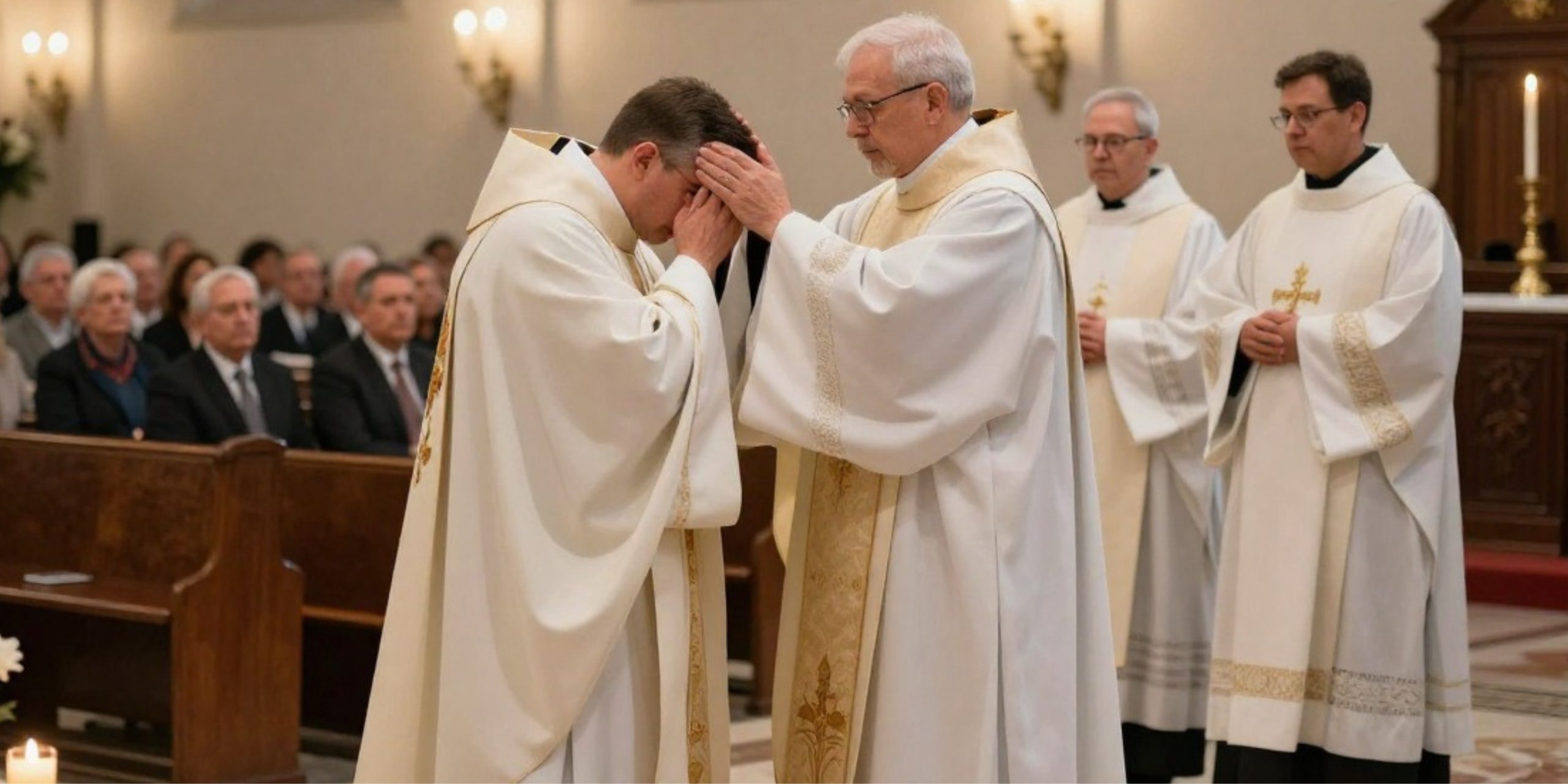
The term clergy refers to individuals who are ordained or officially recognized by a religious organization to serve as spiritual leaders. Clergy members play an essential role in guiding their faith communities, conducting religious ceremonies, providing counseling, teaching spiritual lessons, and ensuring the moral and spiritual well-being of their congregation. From bishops and priests to ministers and deacons, clergy serve as the backbone of religious communities, offering both leadership and service.
Whether you are curious about what a clergy member does, how one becomes a clergy, or the different types of clergy roles, this guide will provide a comprehensive understanding of the subject, including clergy appreciation, clergy clothing, and other relevant aspects.
What Is a Clergy?
A clergy is a person officially recognized or ordained to perform religious duties and provide spiritual guidance. The word “clergy” is commonly used in Christianity, but the concept exists across multiple religions, including Judaism, Islam, and other faith traditions. Clergy members are responsible for leading services, administering sacraments or rituals, teaching the faithful, and providing pastoral care.
Being a clergy member is a calling to serve the community, provide guidance, and uphold the teachings and values of the faith. Clergy often dedicate years of education, training, and service before being recognized officially through ordination or licensing, depending on their denomination.
What Does a Clergy Member Do?
A clergy member has a wide range of responsibilities that involve both spiritual and community leadership. These duties can vary depending on the religious tradition, denomination, and role of the clergy member.
1. Leading Religious Services
One of the most visible roles of clergy is to lead worship services. This includes:
- Conducting daily or weekly services in churches, mosques, or synagogues.
- Leading prayers, readings, and hymns.
- Officiating special ceremonies such as weddings, funerals, baptisms, and confirmations.
These activities ensure that the spiritual needs of the community are met and that religious practices are carried out correctly.
2. Teaching and Preaching
Clergy are also educators in faith. They deliver sermons, lectures, or Bible studies to teach religious principles, ethics, and morals. This role involves:
- Explaining religious texts and traditions in a way the community can understand.
- Offering guidance on ethical and moral decisions.
- Encouraging spiritual growth among congregation members.
3. Providing Pastoral Care and Counseling
Clergy often act as counselors for community members facing personal, emotional, or spiritual challenges. They provide:
- Support during grief, illness, or family issues.
- Advice on moral dilemmas or life decisions.
- Spiritual guidance to help individuals grow in their faith.
4. Managing and Supporting the Community
Many clergy also oversee church programs, community activities, and volunteer work. This can include:
- Organizing educational programs or retreats.
- Supervising church staff and volunteers.
- Coordinating charitable or social outreach initiatives.
5. Representing Faith and Tradition
Clergy members serve as public representatives of their faith, maintaining the integrity and values of their religious community. Their presence in ceremonies, events, and social initiatives reflects the teachings of their faith and sets an example for others.
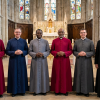
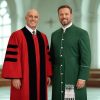
6. Wearing Clergy Clothing
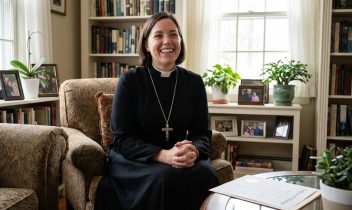
Clergy often wear distinctive clothing that reflects their role and the traditions of their faith. Examples include:
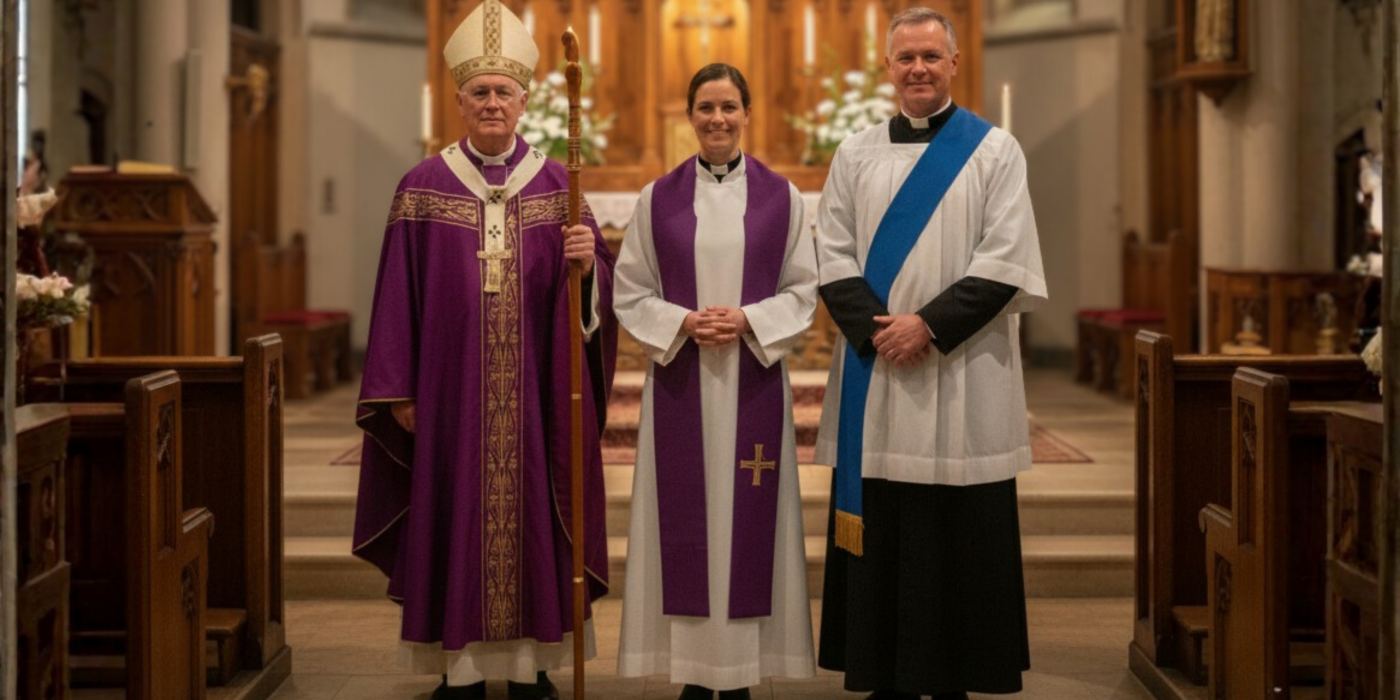
- Clergy robes, stoles, or clergy collars for priests and ministers.
- Bishops’ vestments, such as miters and ceremonial robes.
- Deacons may wear simpler attire that distinguishes them as servants of the church.
Clergy clothing not only identifies their role but also signifies respect, authority, and tradition.
Different Types of Clergy
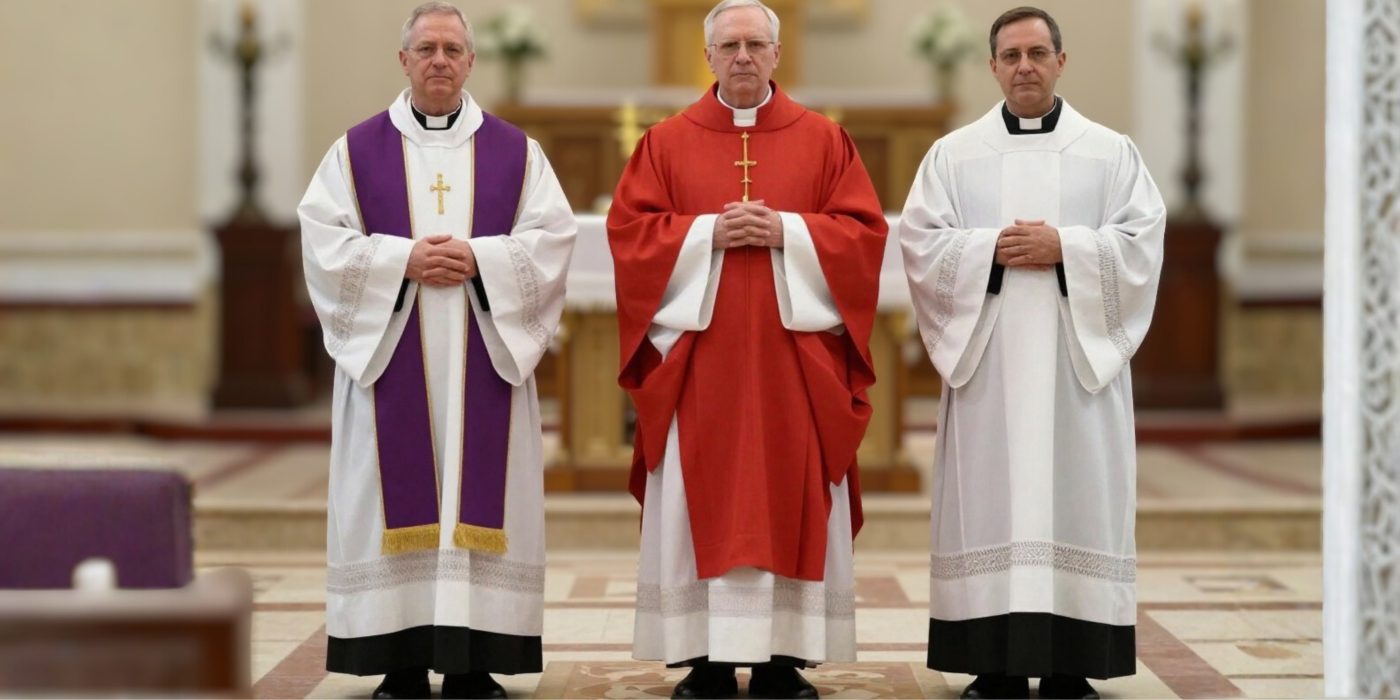
Clergy roles can vary widely depending on the denomination or religious tradition. In Christianity, the main categories include bishops, priests, and deacons.
1. Bishops
Bishops hold the highest level of ordination in certain Christian denominations. Their responsibilities include:
- Leading a diocese or region of churches.
- Ordaining new priests and deacons.
- Ensuring proper teaching, sanctification, and governance within the community.
Bishops are considered successors to the apostles and carry the full sacramental authority of Holy Orders in the Catholic Church. Bishops wear ceremonial robes, often purple or red, with a miter (hat) and a pastoral staff.
2. Priests
Priests serve under bishops and are primarily responsible for:
- Leading local congregations or parishes.
- Administering sacraments such as Eucharist, baptism, and confession.
- Providing spiritual guidance and support to parishioners.
Priests are essential co-workers with bishops, helping to implement the vision and teachings of the Church. Priests wear robes or cassocks, often black or white, with stoles that match church liturgical colors.
3. Deacons
Deacons focus on service and assistance, including:
- Helping during worship services.
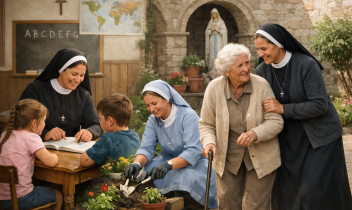
- Participating in charitable and community work.
- Assisting priests and bishops in pastoral and administrative duties.
Deacons may not have the same sacramental authority as priests or bishops, but they play a vital supporting role in the church’s mission. Deacons wear simpler robes, sometimes with diagonal stoles, often white or light-colored, showing their service role.
How Does One Become a Clergy?
Becoming a clergy involves a combination of education, training, ordination, and experience.
1. Education
Most clergy members start with a bachelor’s degree in theology, ministry, or religious studies. Some may pursue advanced degrees such as a Master of Divinity or a Doctorate in Theology to prepare for leadership roles.
2. Ministry Experience
Practical experience is essential. Aspiring clergy often:
- Volunteer in church programs, youth ministry, or community outreach.
- Assist in leading services, Bible studies, or prayer groups.
- Gain mentorship from experienced clergy.
3. Ordination
Ordination is the official recognition by a religious body that a person is qualified to perform religious duties. This can involve:
- Passing theological exams or evaluations.
- Completing a period of service or apprenticeship.
- Public recognition through a formal ceremony.
4. Licensing
In some countries or states, clergy may also need a license to perform weddings or other legal religious duties. Licensing ensures compliance with local laws and denominational requirements.
Clergy in Different Religions
While most people associate clergy with Christianity, the concept exists across multiple religions:
- Judaism: Rabbis guide the community in prayer, study, and moral conduct.
- Islam: Imams lead prayers, teach the Qur’an, and provide spiritual guidance.
- Other Faiths: Many religions have equivalent roles that serve similar spiritual and community functions.
The duties and authority of clergy may vary, but their primary goal is always spiritual leadership and service.
Clergy Appreciation and Recognition
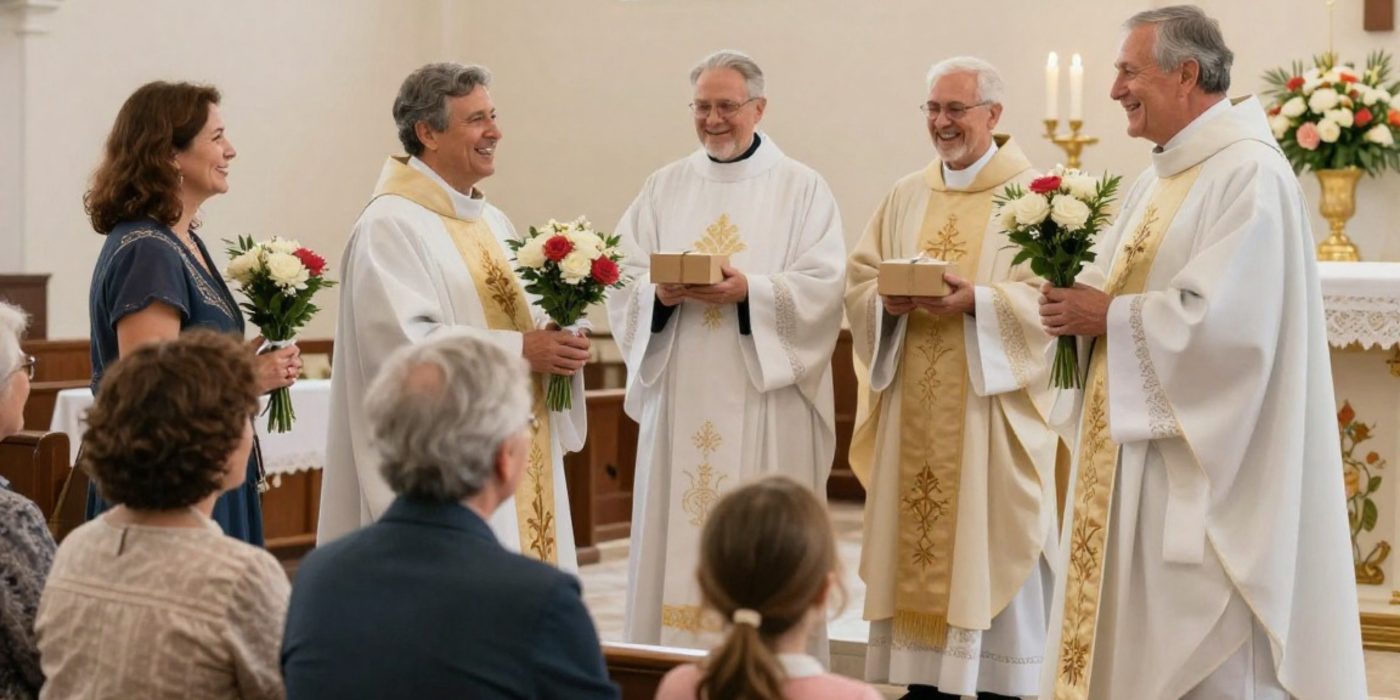
Clergy dedicate their lives to guiding and serving communities, making their recognition essential.
1. Clergy Appreciation Day
Observed annually, Clergy Appreciation Day honors the dedication, commitment, and service of clergy members. Activities may include:
- Sending thank-you notes or gifts.
- Public recognition during services.
- Highlighting their contributions in community newsletters.
2. Clergy Appreciation Month
Many denominations celebrate Clergy Appreciation Month in October. It provides a longer period to acknowledge their efforts, organize appreciation events, and encourage congregational support.
Recognizing clergy boosts morale, motivation, and community connection, reminding everyone of their important role.
Frequently Asked Questions
What does the clergy meaning?
Clergy refers to individuals officially recognized or ordained to provide spiritual guidance, lead worship, and serve their religious community.
What does being a clergy mean?
Being a clergy means being ordained or officially recognized to serve a religious community, guide spiritually, teach, and perform ceremonies.
Is a clergy the same as a pastor?
Not necessarily. A pastor is a type of clergy who leads a congregation, while clergy can include bishops, priests, deacons, ministers, and other spiritual leaders.
How does one become a clergy?
Becoming clergy involves education, ministry experience, ordination, and sometimes licensing, depending on the denomination or religion.
Which religion is clergy?
Clergy exist in multiple religions, including Christianity, Judaism, Islam, and others. The role may vary but focuses on leadership and service.
When is clergy appreciation month?
Many churches celebrate Clergy Appreciation Month in October, though dates may vary locally.
Are clergy Catholic?
Not all clergy are Catholic. The term applies broadly across denominations and religions, although bishops, priests, and deacons are specific to Catholic and some Christian traditions.
Conclusion
A clergy member is a spiritual leader, guide, teacher, and servant. From leading worship to counseling members, managing community programs, or wearing symbolic clergy clothing, their role is multifaceted and essential to the faith community.
Becoming a clergy involves education, experience, and ordination, but it is ultimately a calling to serve and inspire. Recognizing clergy through Clergy Appreciation Day, clothing, and community support ensures that their dedication is honored and celebrated.
By understanding the roles, responsibilities, and pathways of clergy, we gain appreciation for their vital role in nurturing faith, morality, and community life.



Recent Comments