
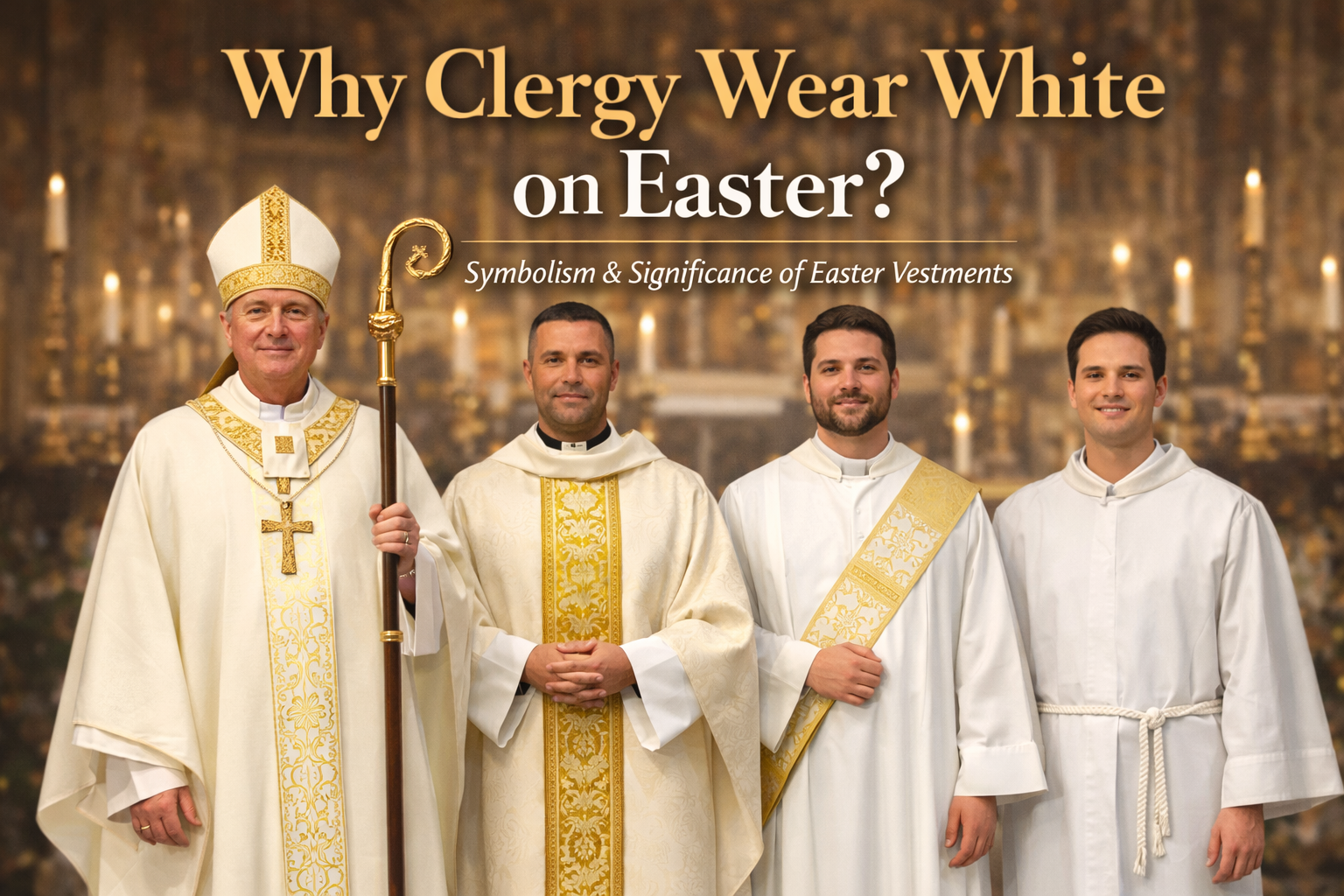
Easter Sunday is one of the most celebrated days in the Christian calendar. Churches around the world are filled with worshippers, joyful music, and bright decorations. But one thing many people notice every year is this: why do pastors, priests, bishops, and all other church leaders wear white on Easter?
Have you ever sat in church and wondered why the entire worship team dresses differently from other Sundays? Why do white vestments seem to light up the sanctuary with a sense of joy and hope? Why are the usual green, purple, or red colors we see throughout the year replaced with white and gold?
These are questions that even dedicated churchgoers might wonder but don’t always fully understand. Some people assume it’s just “church fashion” or tradition, but the truth is much deeper. Many newcomers to a congregation and even some new pastors or ministers can feel confused about what vestments to wear during Easter services. They might ask: Is there a rule for clergy attire on Easter? What do these garments really mean? Why does the color matter?
In this blog, we will explore these questions and more. We will explain the meaning behind the color white in church celebrations, how different clergy roles interpret Easter vestments, and why these garments are far more than just clothing. By the end, you’ll understand the symbolic power of Easter attire and how vestments play a role in the worship experience.
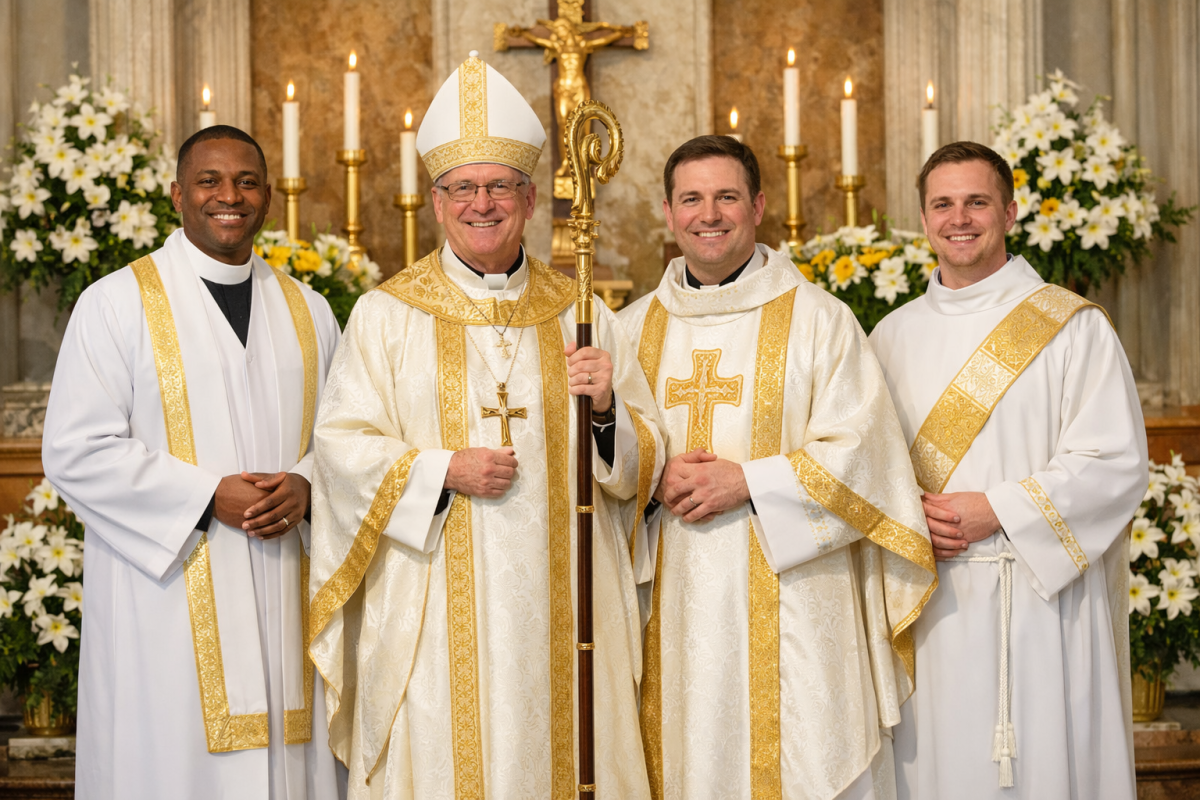
What Are Vestments and Why They Matter
Before we answer why white is worn on Easter, let’s briefly explain what vestments are.
Vestments are special garments worn by clergy during church services. These garments are not ordinary clothes. They are sacred and symbolic, reflecting deeper spiritual truths. Vestments help shift attention away from personal style or fashion and focus instead on worship, scripture, and the sacred act of service.
Clergy robes and vestments include items like:
- Alb – A long white garment symbolizing purity.
- Chasuble – The outermost garment worn by priests during Eucharist services.
- Stole – A cloth worn over the shoulders representing pastoral authority.
- Mitre & Crosier – Worn by bishops to symbolize leadership and pastoral care.
These vestments form part of the broader clergy attire, especially during significant liturgical celebrations like Easter, Christmas, and major feast days.
Historical Origins of Church Vestments
Christian clergy attire didn’t originate as fashion. These garments evolved from ancient customs. In the earliest centuries, Christians wore simple garments that reflected everyday dress in Roman times. Over time, these garments became more formalized and symbolic within the church context.
The alb, from the Latin albus meaning “white,” was originally like a white tunic. It was later adopted as a liturgical vestment and today is worn by all ministers, bishops, priests, deacons, and even lay acolytes.
Different layers of vestments were added over time to represent theological truths. For example, the stole symbolizes the “yoke of Christ” and the authority of ordained ministry. These elements became standardized in Christian liturgical tradition, meaning clergy dress not only for worship but to convey spiritual meaning.
The Liturgical Calendar and Color Meanings
The Christian year follows a liturgical calendar. Different seasons on this calendar use specific colors in vestments and church decorations to help worshippers internalize the spiritual message of that period.
Here’s a quick overview of common liturgical colors and meanings:
- White / Gold – Joy, purity, victory, celebration (Easter, Christmas, baptisms).
- Purple / Violet – Penance, preparation, waiting (Lent, Advent).
- Green – Growth, life, hope (Ordinary Time).
- Red – Holy Spirit, fire, martyrdom (Pentecost, martyrs’ feast days).
- Rose – Joyful pause in penitential seasons (Gaudete & Laetare Sundays).
Of all these colors, white stands out as the most joyous. It is used whenever the church celebrates central mysteries of faith, especially the resurrection of Christ.
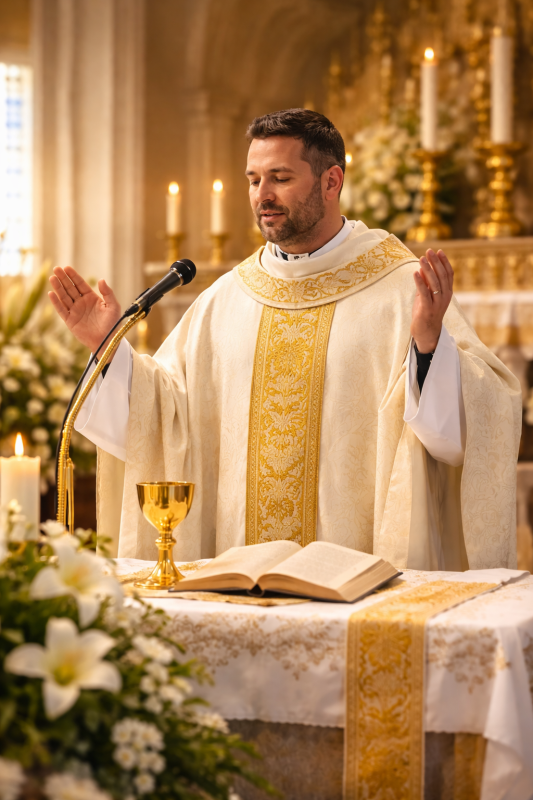
Why White on Easter? The Core Meaning
Now to the heart of the question: Why is white worn on Easter?
1. White Symbolizes Resurrection and New Life
Easter celebrates the resurrection of Jesus Christ, the moment when death was overcome and life empowered believers with hope. The color white reflects:
- Purity – Cleansed from sin.
- Joy – Celebration of victory over death.
- New Life – Christ’s rising and believers’ renewed life.
- Light – Jesus as the light of the world.
These meanings are not random , they are deeply rooted in church tradition and scripture. White is also used at weddings and baptisms for the same reasons: new beginnings and joyful celebration.
2. White Reflects the Tone of Easter Worship
Unlike the solemn and penitential season of Lent (when purple is worn), Easter is a festive season. The church transitions from preparation and reflection to rejoicing and celebration. White vestments visually communicate this shift.
For example, even altar cloths, banners, and choir robes often change from purple or green to white and gold for Easter. White makes the space look brighter, warmer, and more life-affirming.
Clergy Roles and Their Easter Vestments
Different clergy roles may wear similar colors, but their specific Easter vestments reflect their functions in the worship service. Below is a simple guide to the most common clergy roles and how they traditionally dress during Easter services.
1. Bishop
Bishops are leaders of a diocese and carry symbols of authority.
Typical Easter Vestments for a Bishop:
- White alb (base garment).
- White chasuble with gold embroidery.
- Stole matching Easter colors.
- Mitre (ceremonial headpiece).
- Crosier (shepherd’s staff).
These garments show both rank and service the bishop leads, blesses, and represents the wider church in Easter celebrations.
2. Pastor / Priest
Pastors and priests typically lead the congregation in worship and preach the Easter sermon.
Easter Vestments for a Pastor / Priest:
- White alb (long white robe).
- White chasuble with gold trim.
- Stole worn around the neck (matching liturgical color).
- Optional cincture belt.
The chasuble is the outer garment most visible in the Eucharistic celebration. During Easter, pastors choose white or white‑with‑gold designs to emphasize joy and Christ’s victory.
3. Deacon
Deacons assist in worship and serve in practical and liturgical functions.
Easter Vestments for a Deacon:
- White alb.
- Stole worn diagonally over one shoulder.
- Optional dalmatic (decorated outer garment).
While less elaborate than a bishop or priest, a deacon’s white vestments still clearly reflect Easter joy and purity.
4. Lay Ministers / Sub-deacons
Lay ministers support the liturgy but do not lead sacramental rites.
Typical Easter Vestments for Lay Support:
- White alb or robe.
- Optional simple stole or other minimal liturgical garment.
These garments help unify the worship team visually while honoring the sacred nature of Easter services.
Symbols Worn With White Vestments
Beyond the main garments, some accessories worn by clergy enhance meaning:
- Stole: Represents service and authority in ministry.
- Alb: Symbolizes baptismal purity and new life.
- Chasuble: Symbolizes love and unity in worship.
- Mitre & Crosier: Bishop symbols of teaching and pastoral care.
These symbols, paired with white vestments, remind worshippers of the sacred truth behind Easter, life over death and joy over sorrow.
Practical Tips for Choosing Easter Vestments
If you are selecting vestments for your clergy team, here are some simple tips to keep in mind:
1. Material and Comfort
Easter services can be long, and in some climates they are in warm weather. Choose breathable fabrics so clergy remain comfortable during worship.
2. Matching Set
Keep alb, chasuble, and stole coordinated in white and gold. This keeps the focus on unity and celebration, not mismatch.
3. Simple but Meaningful Embroidery
Embroidered symbols like crosses, lambs, or other Christian motifs add depth without overwhelming the garment.
4. Reflect Tradition
While modern designs are welcome, respecting liturgical tradition helps worshippers remember the spiritual meaning of vestments.
Using these tips, you can ensure your clergy attire for men is both respectful and visually aligned with the message of Easter.
Clergy Attire and the Worship Experience
Why does all of this matter? Because clothing in worship is not about fashion — it enhances the spiritual experience.
Vestments and clergy robes serve these important purposes:
- They help worshippers focus on worship rather than personal clothing styles.
- They visually communicate the liturgical season and spiritual message.
- They unify clergy roles and create reverence in church services.
When clergy wear white vestments on Easter, it is not just tradition, it tells a story of hope, renewal, and the heart of the Christian faith.
Frequently Asked Questions (FAQs)
What is Easter called in church?
In the Christian church, Easter is often referred to as the “Feast of the Resurrection,” celebrating the resurrection of Jesus Christ from the dead. It marks the end of Lent and is the most important event in the Christian liturgical calendar.
Is It True Priests Wear Purple During Easter?
No, priests typically wear purple vestments during Lent (the season leading up to Easter) to signify penance and preparation. On Easter Sunday, they wear white vestments to celebrate the resurrection, symbolizing joy, purity, and victory.
What Do White Vestments Mean?
White vestments symbolize purity, victory over death, new life, and the joy of the resurrection. They are worn during celebratory occasions such as Easter and Christmas to represent the light of Christ and His triumph over sin and death.
What Does White Signify in the Catholic Church?
In the Catholic Church, the color white signifies joy, purity, holiness, and new life. It is used for solemnities and feasts, particularly on occasions like Easter and Christmas, to reflect the victory of Christ’s resurrection and His divine nature.
What Is the White Priest Robe Called?
The white priest robe is called an alb. It is worn by all clergy members during liturgical services, symbolizing purity and the baptismal garment of the faithful.
Conclusion:
Easter is a celebration unlike any other, a celebration of life, hope, and victory. White vestments worn by clergy on Easter Sunday tell that story visually and powerfully.
Through the sacred garments worn by bishops, priests, deacons, and lay ministers, the church communicates a message that words alone cannot fully express. Vestments, as part of clergy attire for men, help carry forward centuries of tradition, theology, and worship practice.So next time you attend Easter Sunday Mass or service and see your pastor or bishop in bright white robes, remember this:
They are wearing those garments not to impress, but to proclaim the resurrection of Christ.

Recent Comments