
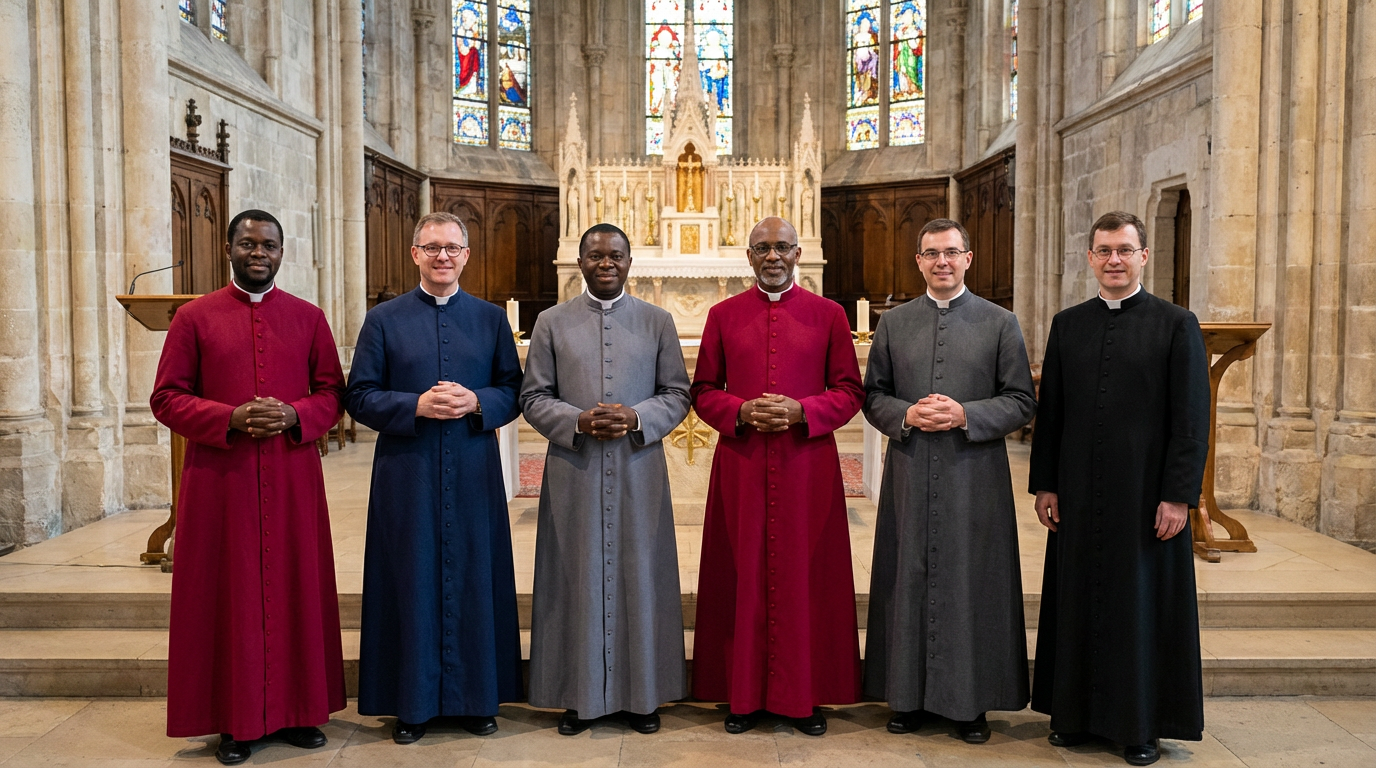
In the rich tapestry of Catholic tradition, few garments hold as much historical and spiritual significance as the cassock. The cassocks represent centuries of heritage, devotion, and identity for clergy members. From its origins in the early Church to its modern-day interpretations, the cassock is a central element of the Catholic priest outfit.
But what makes this robe so enduring? Why has it stood the test of time when fashion trends come and go? This article explores the history, symbolism, and nuances of the cassock, while offering a detailed look at its role within the broader context of the Catholic priest outfit.
The History of the Cassock
The cassock has a storied past that stretches back centuries. Initially, the early Christian clergy adopted simple, tunic-like garments inspired by Roman dress. As the Church grew and formalized its hierarchy, the cassock evolved into a distinct piece of clerical attire.
By the Middle Ages, the cassock had become the standard Catholic priest outfit, symbolizing dedication, humility, and separation from worldly concerns. Its design was simple yet elegant: a long, ankle-length robe, often featuring buttons down the front and a cincture or sash at the waist.
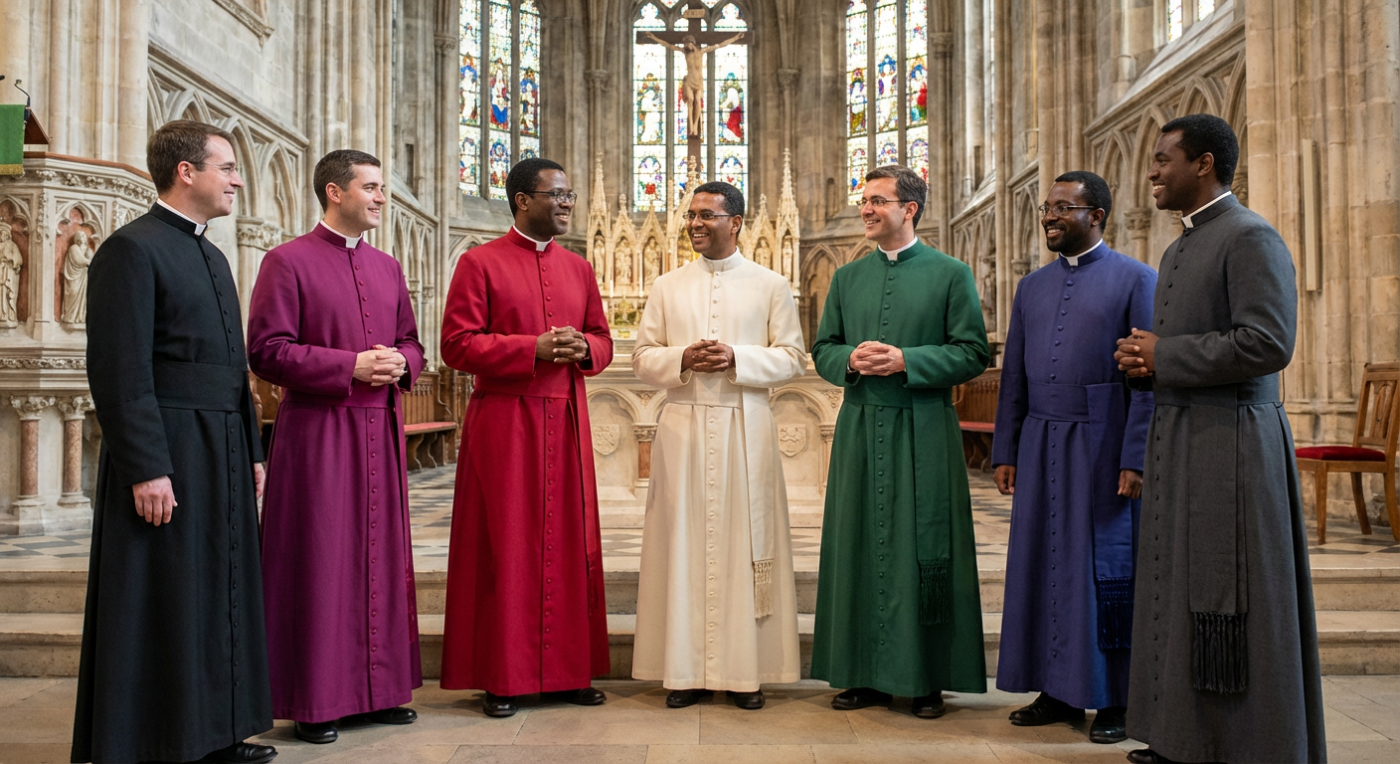
Different colors and trims began to signify rank and office within the Church. For instance, black became the most common color for priests, while bishops and cardinals often wore cassocks with red or purple accents. These subtle distinctions allowed the faithful to identify ecclesiastical roles at a glance, strengthening the visual language of the Church.
Today, while the cassock is sometimes reserved for liturgical ceremonies, it remains a visible emblem of the clergy’s commitment to their faith. The enduring popularity of the cassock lies in its ability to balance simplicity, dignity, and unmistakable identity.
Understanding the Symbolism of the Cassock
The cassock is far more than a uniform; it is a symbol imbued with deep spiritual meaning. Wearing a cassock communicates a priest’s dedication to a life of service, discipline, and moral responsibility.
- Black Cassocks: The most commonly worn cassock is black, symbolizing humility, renunciation of worldly pleasures, and the seriousness of priestly vocation.
- Colored Cassocks: Certain colors indicate rank within the Church. Purple or amaranth trim often signifies bishops, while red may denote cardinals.
- Simplicity and Uniformity: The unadorned nature of the cassock underscores the priest’s role as a servant of God, not a figure seeking personal recognition.
In essence, the cassock acts as a visual reminder of the priest’s spiritual mission. Every fold, button, and cincture carries centuries of tradition and theological significance, making it one of the most recognizable and meaningful elements of the Catholic priest outfit.
The Anatomy of a Cassock: Key Features and Design Elements
A well-crafted cassock is both functional and symbolic. Understanding its design helps appreciate why it has endured for so long.
- Length: Typically ankle-length, allowing for a modest and dignified appearance.
- Buttons: Traditional cassocks feature 33 buttons, representing the years of Christ’s life.
- Collar: Often accompanied by a clerical collar, reinforcing the Catholic priest outfit’s identity.
- Cincture: A sash or belt tied around the waist, sometimes color-coded to denote rank.
- Material: Historically made of wool or cotton, modern cassocks may also use polyester blends for ease of care.
The combination of these elements creates a garment that is both practical for daily wear and rich with symbolic meaning. Each feature has been thoughtfully incorporated to reflect the wearer’s role in the Church and their spiritual dedication.
How to Wearing the Cassock Correctly
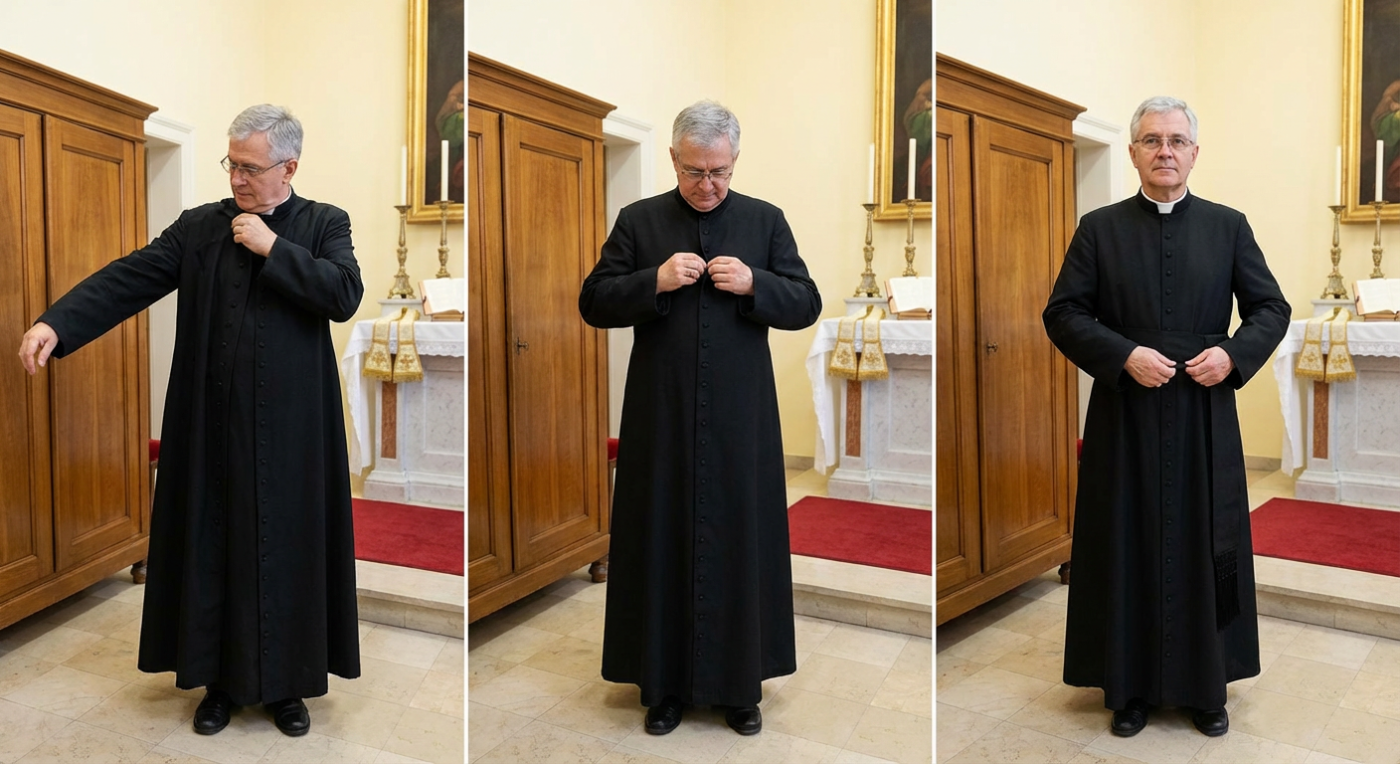
While it may seem straightforward, wearing a cassock correctly involves attention to tradition and detail. Here are some essential tips:
- Proper Fit: A cassock should fit comfortably without being too tight, allowing freedom of movement.
- Buttoning: Always button the cassock fully from top to bottom, symbolizing completeness and unity.
- Collar and Cincture Placement: Ensure the clerical collar is straight and the cincture is tied neatly, reinforcing a polished, professional appearance.
- Seasonal Considerations: Some clergy choose lighter fabrics for summer months and heavier wool for winter, balancing comfort and tradition.
Adhering to these guidelines not only preserves the integrity of the Catholic priest outfit but also honors centuries of ecclesiastical tradition.
Variations of the Cassock: From Bishops to Priests
Not all cassocks are created equal. Variations exist depending on clerical rank, liturgical function, and regional custom.
- Priest’s Cassock: Typically black with simple trim.
- Bishop’s Cassock: May feature amaranth piping or sash, denoting episcopal authority.
- Cardinal’s Cassock: Often red with matching trim, signaling prominence within the Church hierarchy.
- Papal Cassock: White, representing purity and the Pope’s unique role.
Understanding these variations is key for anyone interested in ecclesiastical attire or the broader study of the Catholic priest outfit. These distinctions provide insight into Church hierarchy and ceremonial practice.
The Cassock in Modern Catholicism: Tradition Meets Contemporary Life
In contemporary times, the cassock continues to evolve while maintaining its core significance. While some priests wear simpler clerical shirts in everyday life, many retain the cassock for Mass, sacraments, and special occasions.
Modern cassocks may include practical updates, such as lightweight fabrics or hidden pockets, yet they never compromise on the symbolic meaning. This careful balance of tradition and modern functionality ensures that the cassock remains both relevant and revered.
Moreover, in an age where personal expression often dominates fashion, the cassock stands as a reminder of vocation, discipline, and the timeless beauty of Church tradition.
Cassock and the Complete Catholic Priest Outfit
The cassock is just one component of a priest’s overall attire. Together with the clerical collar, stole, and other liturgical garments, it creates a complete Catholic priest outfit that communicates authority, reverence, and dedication.
- Clerical Collar: Represents the priest’s separation from secular life.
- Stole: Symbolizes the priest’s sacramental authority.
- Liturgical Vestments: Worn over the cassock during Mass and ceremonies, adding layers of symbolism and tradition.
By combining these elements, the cassock serves as the foundation of a visual language that conveys the sacred responsibilities of clergy members.
Frequently Asked Question (FAQs)
What does the cassock symbolize?
The cassock symbolizes humility, dedication to faith, and the renunciation of worldly concerns. Its colors and trim often signify clerical rank.
What is a bishop’s cassock?
A bishop’s cassock usually features amaranth or purple piping, a matching sash, and occasionally other distinctive elements to denote their higher rank within the Church hierarchy.
Is there a specific way to wear a cassock?
Yes, a cassock should be fully buttoned, with the clerical collar straight, and the cincture tied neatly at the waist. Proper fit and attention to detail preserve the garment’s symbolism.
Who wears a black cassock?
Black cassocks are typically worn by priests, signifying humility and dedication to service. Variations in color indicate rank or office within the Church.
When did the tradition of priests wearing cassocks begin?
The tradition dates back to the early centuries of the Church, evolving from simple tunics inspired by Roman dress to the formalized cassock we recognize today.
What is the purpose of a priest’s collar and cassock?
Together, they signify the priest’s spiritual vocation, separating clergy from laypeople and providing a visible symbol of dedication, authority, and service.
Conclusion:
The cassock remains a defining feature of the Catholic priest outfit, blending history, symbolism, and practicality into a garment of timeless elegance. From its early beginnings to its modern adaptations, the cassock communicates devotion, humility, and identity.
For clergy members, wearing a cassock is more than tradition, it is a daily reminder of their sacred mission. For observers, it is a striking emblem of faith and continuity. In a world where fashion trends are fleeting, the cassock endures, carrying centuries of spiritual significance with every fold and button.
In understanding the cassock, one gains a deeper appreciation not only for the garment itself but for the vocation it represents a calling steeped in history, service, and unwavering dedication.







Recent Comments