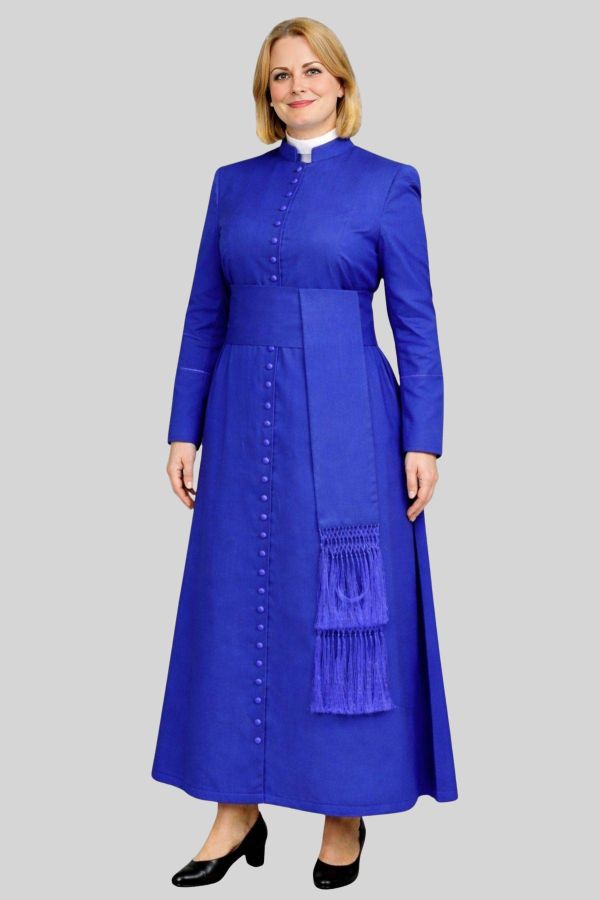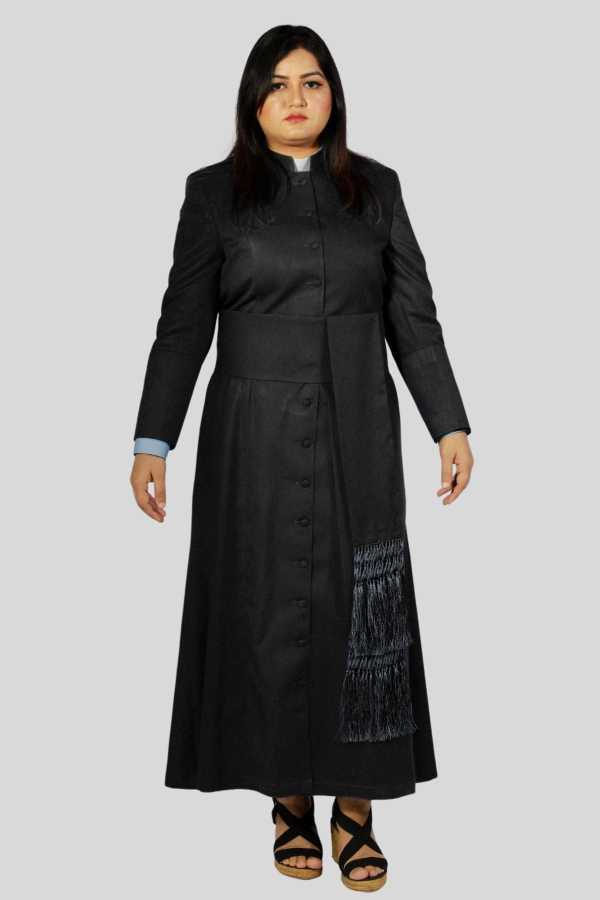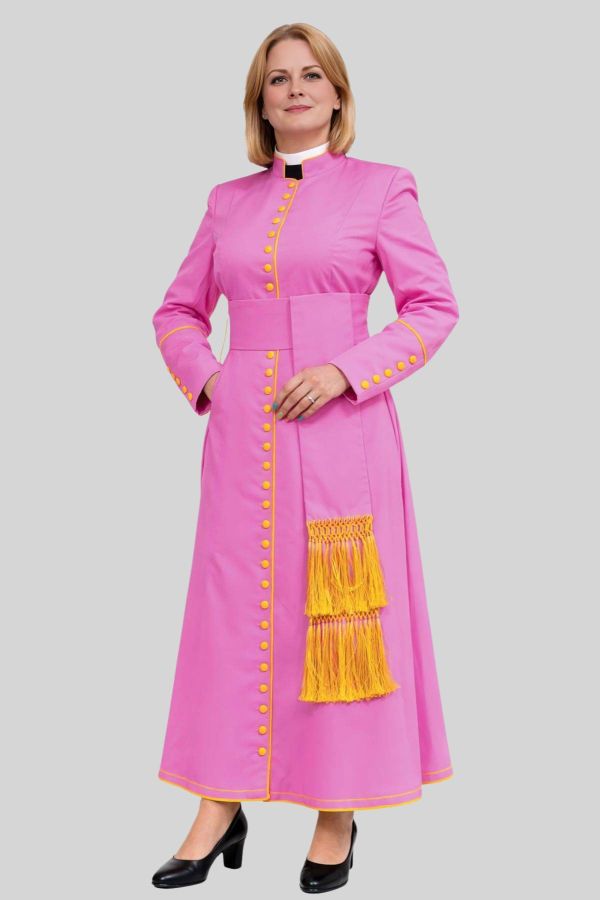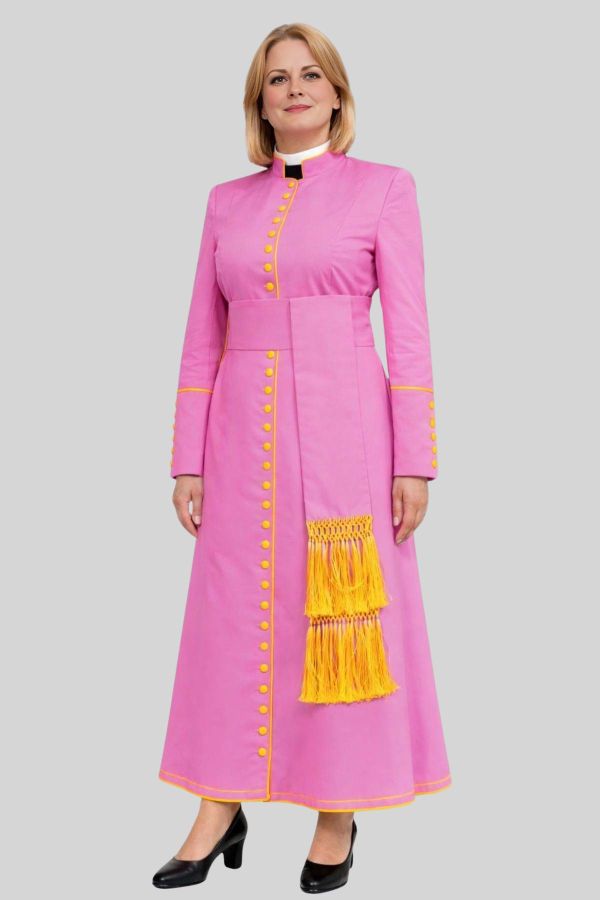
Perfectly Crafted Clergy Robes for Women in White
Price range: $ 179.99 through $ 229.98
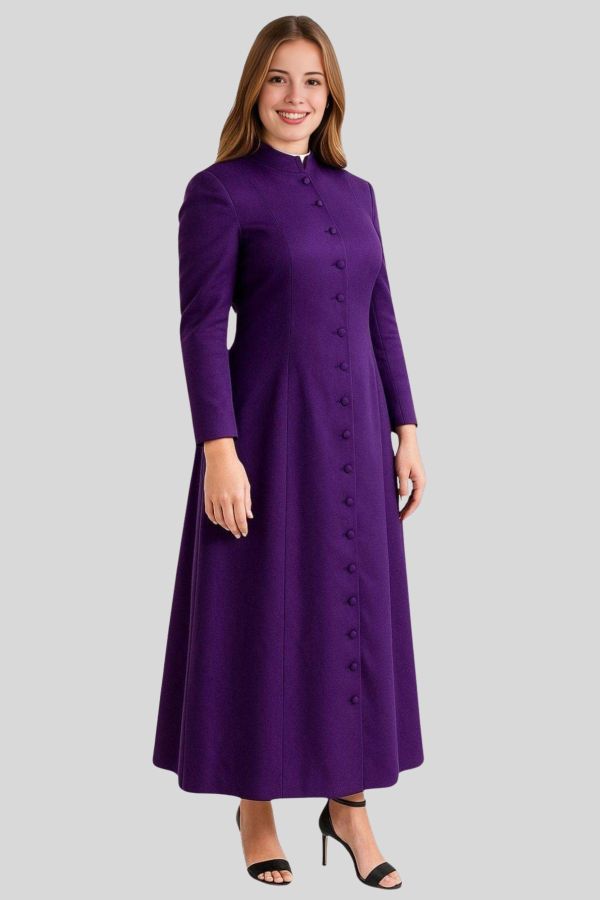
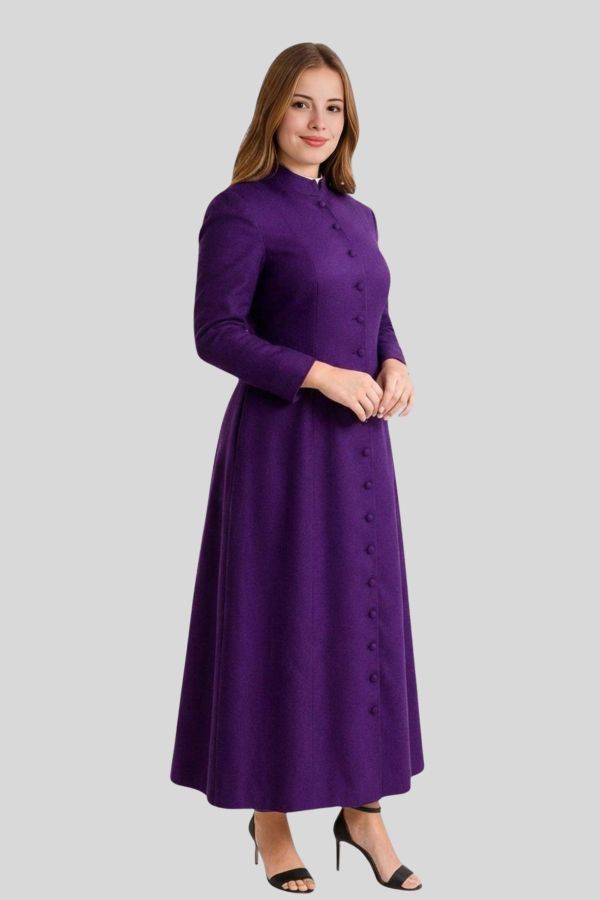
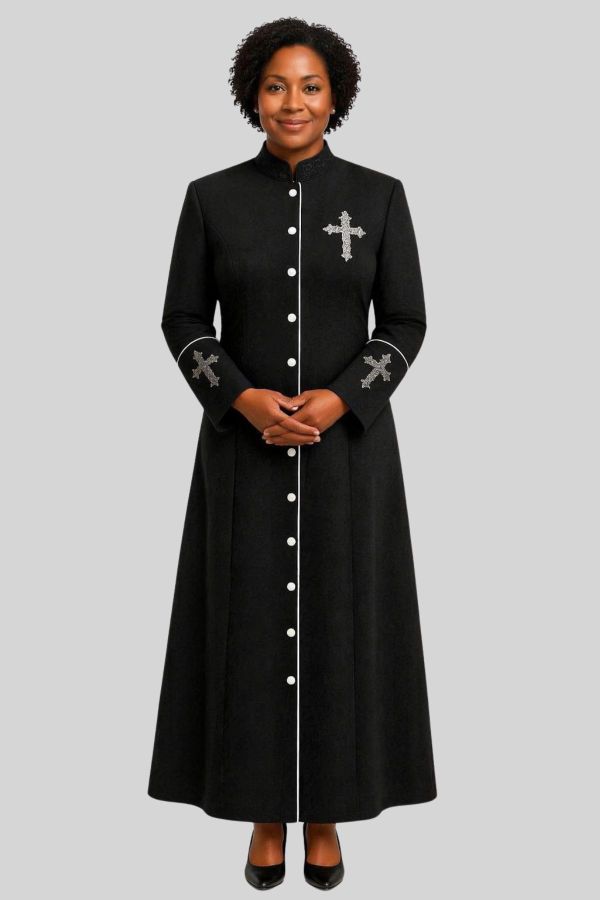
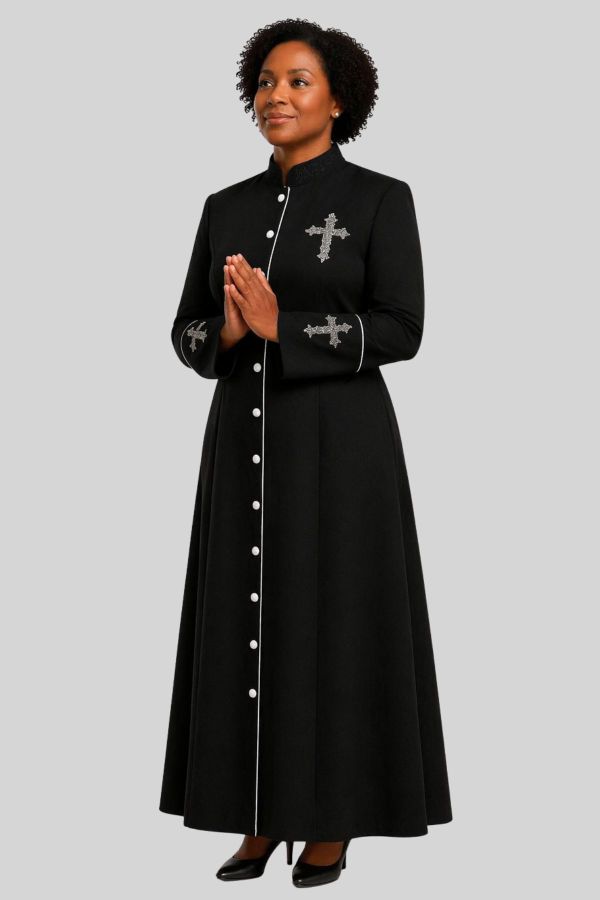
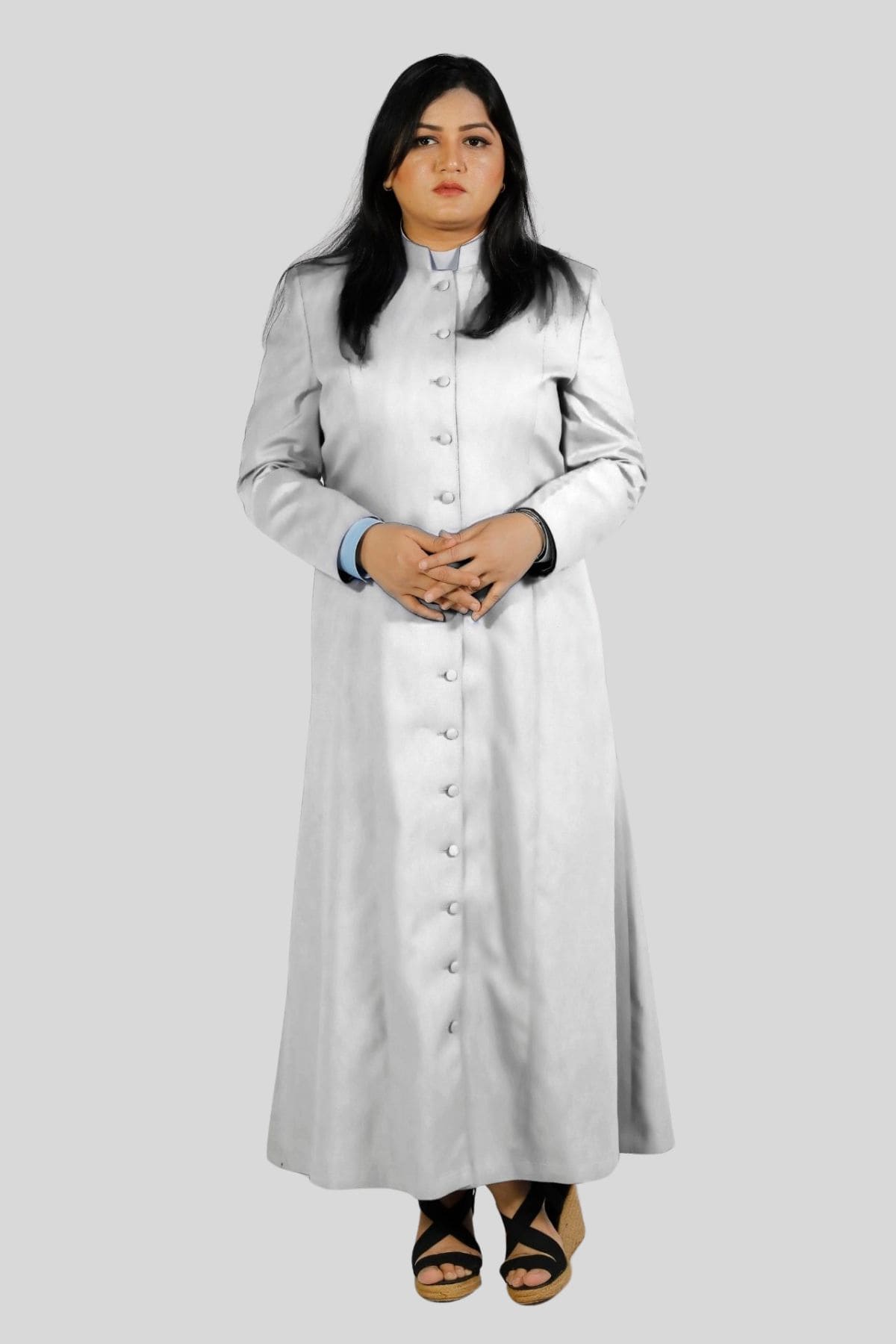
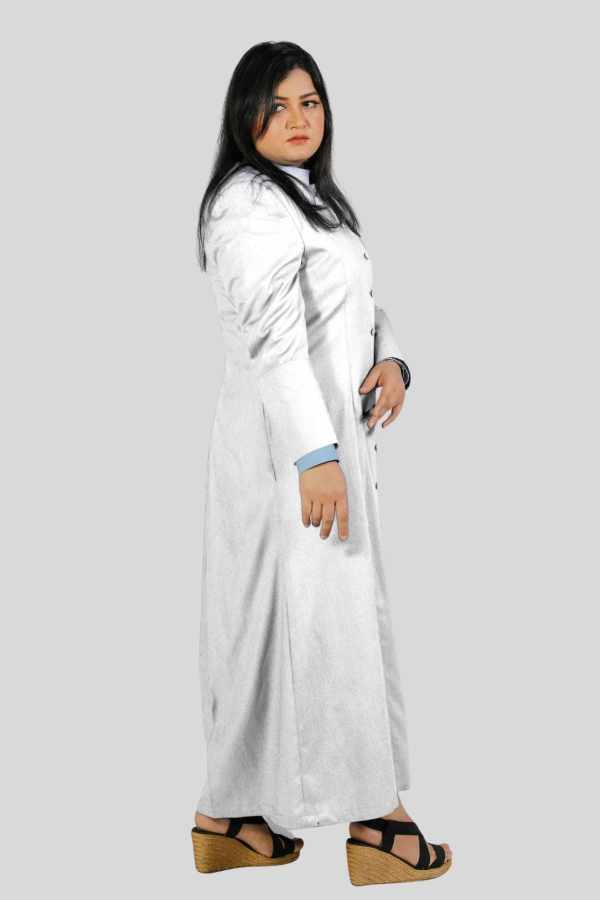
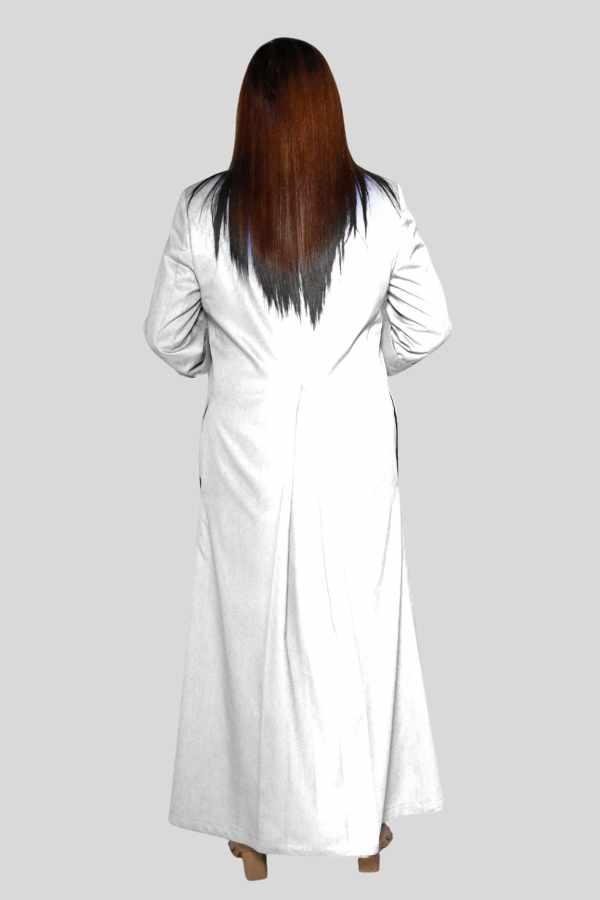
- Women clergy robes white made with super fine tropical fabric.
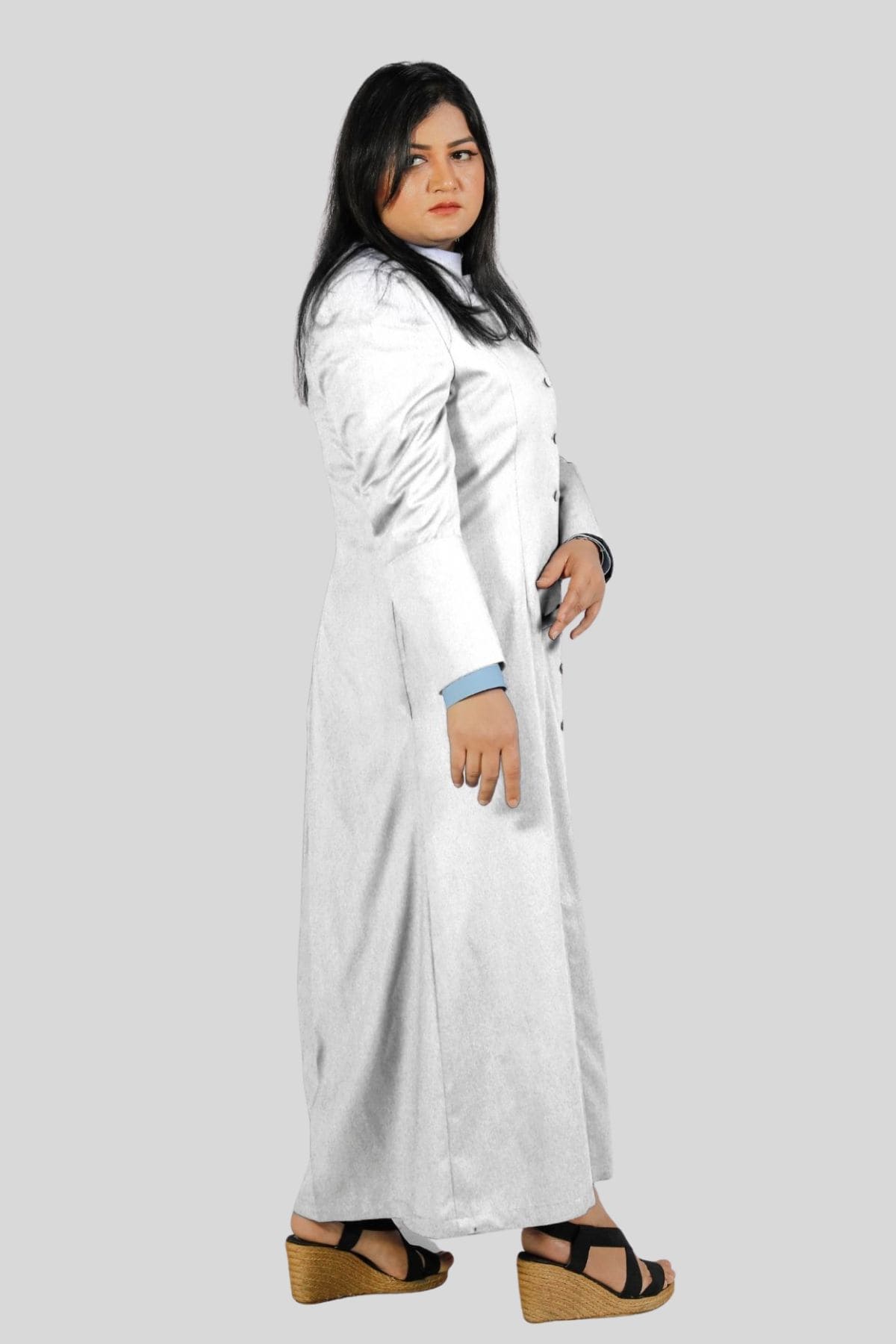
- Matching fabric trim on the placket and collar.
- Same fabric-covered 14 buttons on front.
- Soft shoulder pads and two side pockets.
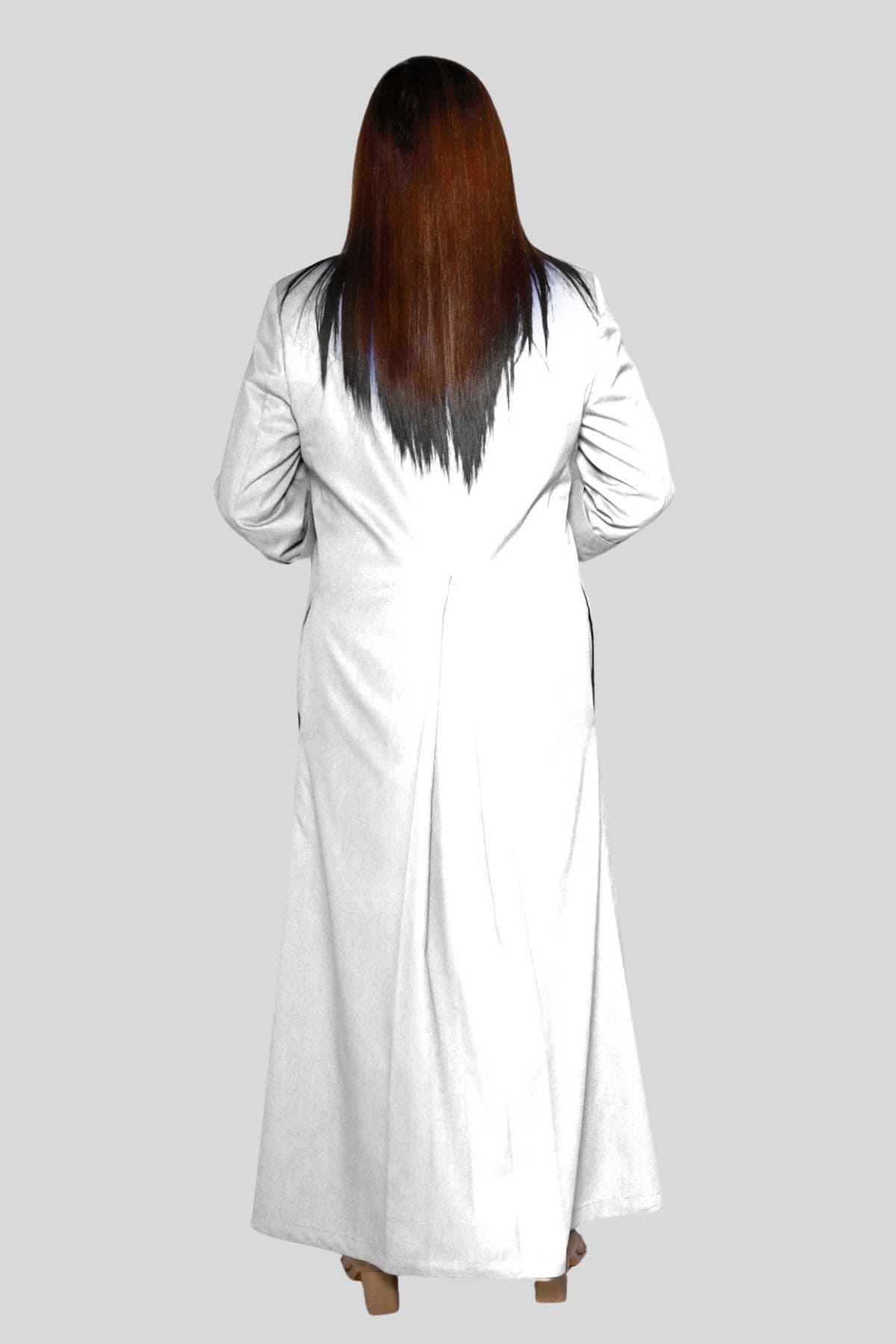
- Single plate is designed at the back for finest look.
- Stitched by experts of Clergy Wear Shop.
- Carefully review the sizing chart before purchase.
- Inside half line till the waist.
Note: Cincture belt is sold separately.
Women Clergy Robes White: Launch the Essence of Stylishness and Empowerment
In the realm of religious ceremonies, the attire worn by clergy members holds momentous importance. Among these garments, women clergy robes stand as a sign of sophistication, empowerment, and worship. This comprehensive guide aims to delve into the world of women clergy robes, exploring their history, design, meaning, and where to find the perfect robe to suit individual preferences. Whether you’re a member of the clergy, a churchgoer, or an enthusiast of religious traditions, this article is your gateway to understanding and appreciating the essence of women clergy robes white.
Women have played pivotal roles within religious institutions for centuries, and their attire has evolved to reflect their changing positions. The history of women clergy robes can be traced back to the early Christian era when religious garments were primarily worn by men. As gender equality progressed, women began to claim their rightful place in clergy positions, prompting the need for dedicated robes that exemplified their roles.
Every aspect of women clergy robes carries symbolic meaning. The robe itself represents humility, devotion, and respect for the religious office held. The choice of colors within the robes also holds significance. White robes symbolize purity and peace, while vibrant colors like purple signify authority and leadership. These robes serve as a visual representation of the clergy member’s dedication and commitment to their spiritual calling.
Design Elements and Styles
Women clergy robes feature an array of design elements and styles, each reflecting the unique traditions and preferences of different religious denominations. Some common design elements include:
Outline and Fit
Women clergy robes are typically designed with a loose and flowing silhouette to promote ease of movement and comfort during religious ceremonies. The robes are tailored to fit well, ensuring a modest appearance while maintaining a sense of elegance. see more…
FREQUENTLY ASKED QUESTIONS
When should a woman minister wear a white clergy robe?
White is the color of celebration, purity, and resurrection. It is ideal for Easter, Christmas, weddings, baptisms, First Communions, and many funerals, where white is used as a sign of hope. A white robe also looks bright and welcoming for women’s day services, anniversaries, and conferences. It pairs well with stoles of nearly any liturgical color, making it a flexible addition to a minister’s wardrobe.
What does matching fabric trim on the placket and collar mean?
The trim on the front placket and collar is made from the same white fabric as the robe, rather than a contrasting color. This gives a clean, tone-on-tone finish that looks refined and understated. It adds subtle definition to the neckline and front opening while keeping the robe entirely white, so your stole, cross, or other accessories remain the main point of color.
Why does this robe have 14 fabric-covered buttons?
The 14 fabric-covered buttons run down the front placket and are made from the same white fabric as the robe. Fabric-covered buttons blend in smoothly, so the front looks neat and elegant instead of busy. They also fasten securely, keeping the robe closed while you walk, preach, or kneel. This classic detail is common on well-tailored clergy robes and cassocks. Together, these features give a refined appearance that suits both regular and special services.
Is a cincture included with the white robe?
No. The cincture belt is sold separately, so you can choose whether to wear one. A cincture gathers the robe at the waist for a more defined silhouette and adds a finishing touch. With a white robe, many women choose a gold, silver, or liturgical-color cincture to coordinate with their stole. Others prefer a white cincture for a fully monochrome look. Holy Clergy offers cinctures in a range of liturgical colors to coordinate with your attire.
How do I keep a white clergy robe from yellowing?
Store the robe in a breathable garment bag away from direct sunlight, which can yellow white fabrics over time. Avoid plastic dry-cleaning bags for long-term storage, since they trap moisture. Treat marks promptly by gently dabbing with a damp cloth, and have the robe professionally cleaned when needed. Keep it away from makeup, candles, and colored garments in your closet to prevent transfer stains.
 Perfectly Crafted Clergy Robes for Women in White

Customer service was outstanding detailed sizing info helped ensure a perfect fit.



This robe is an elegant choice combining style and function.