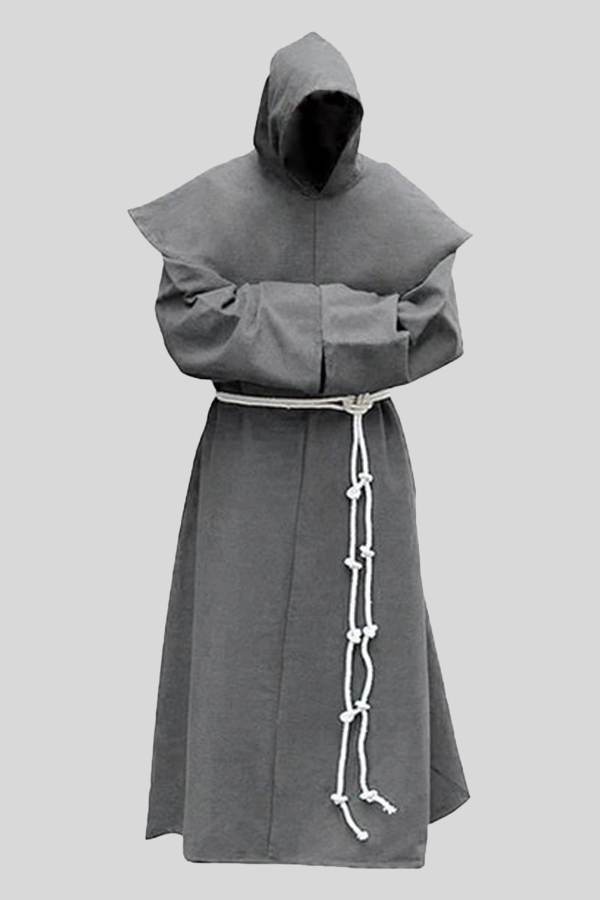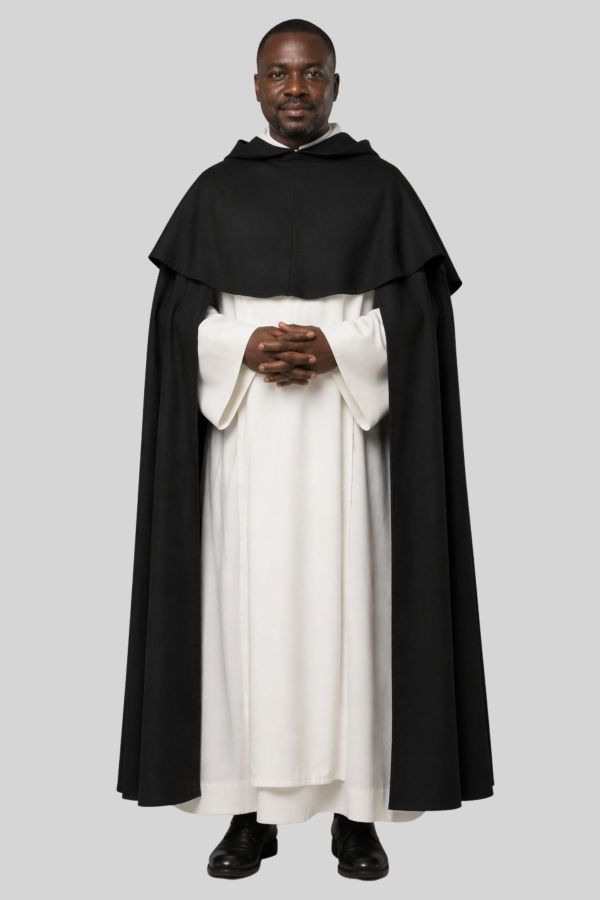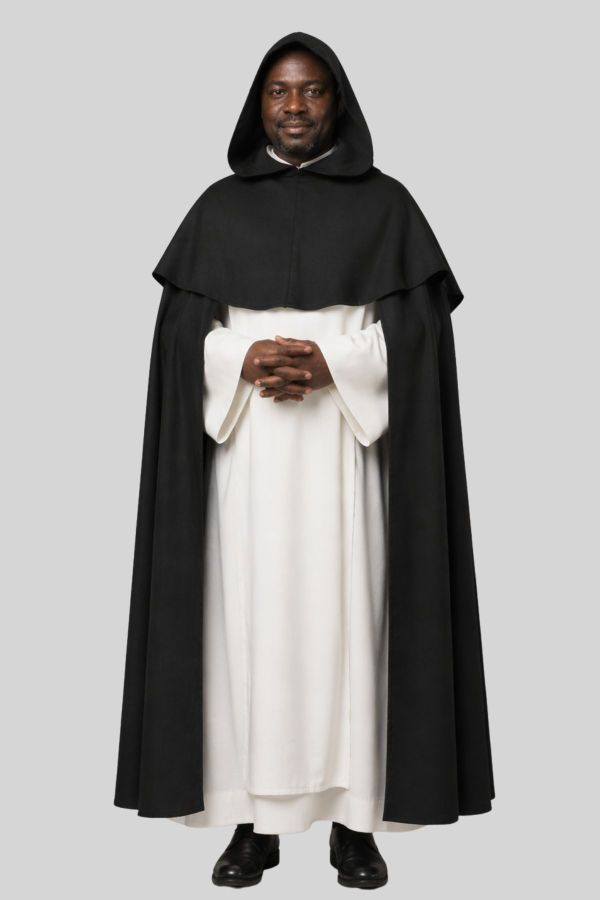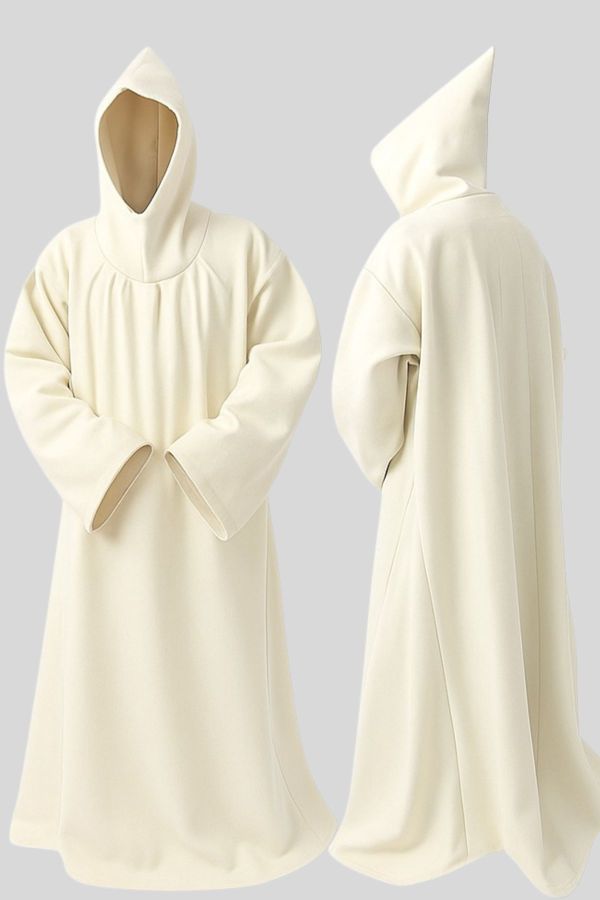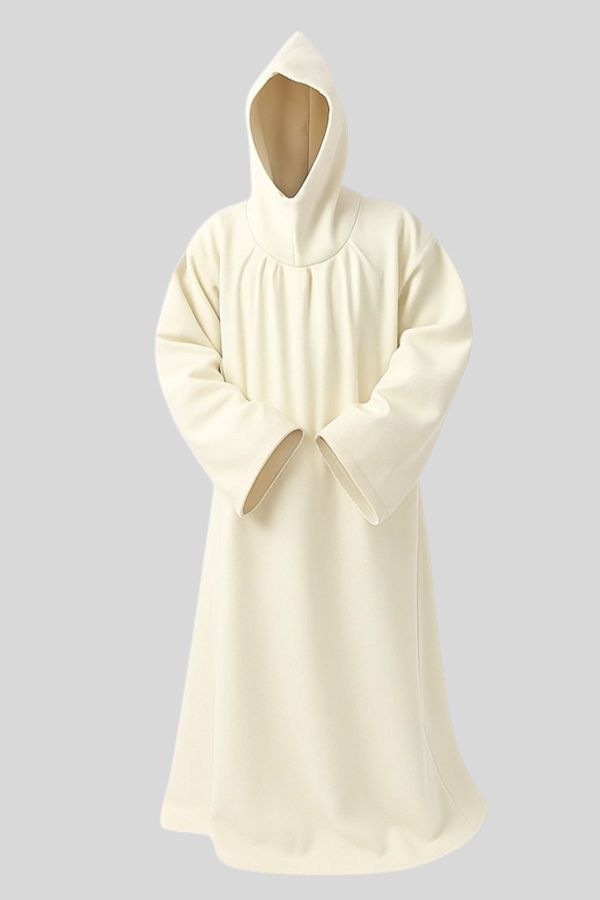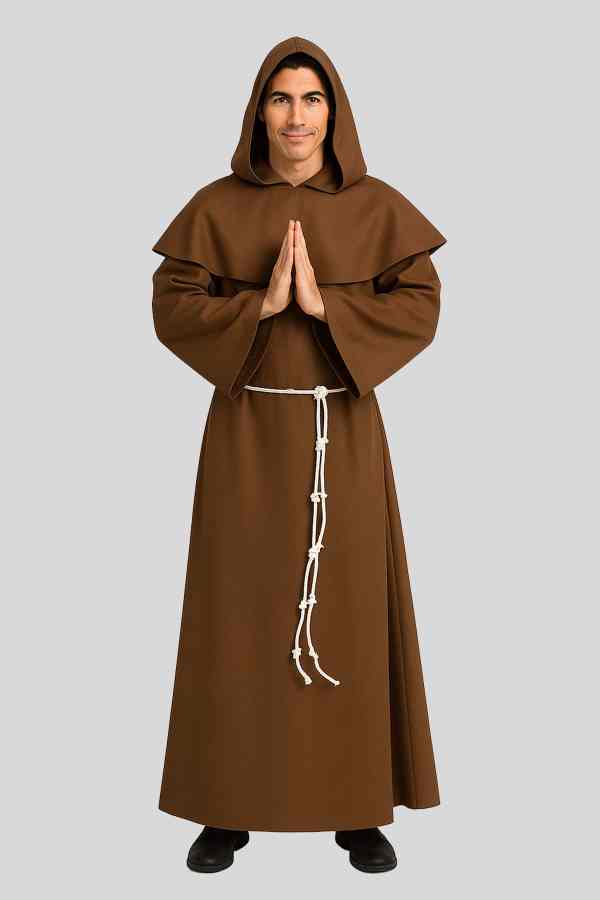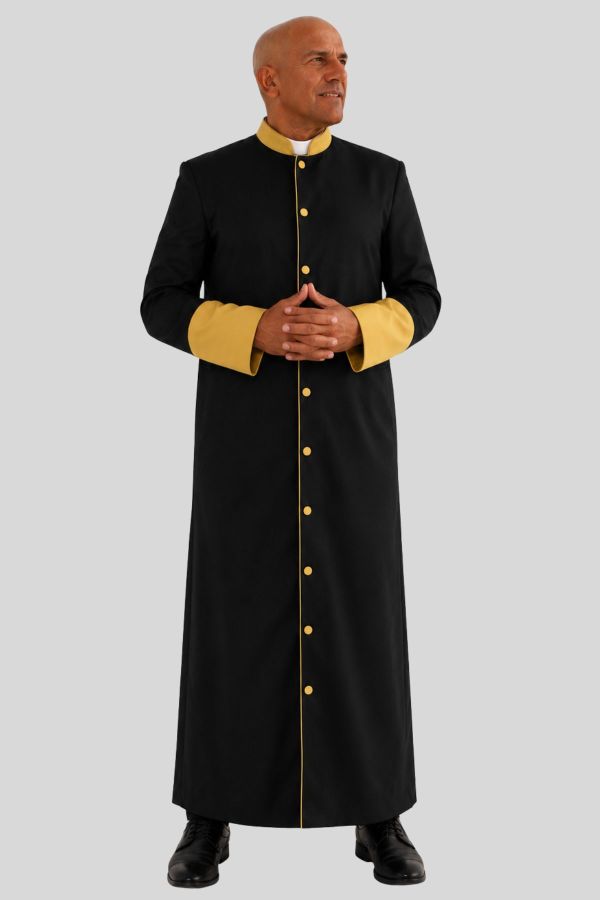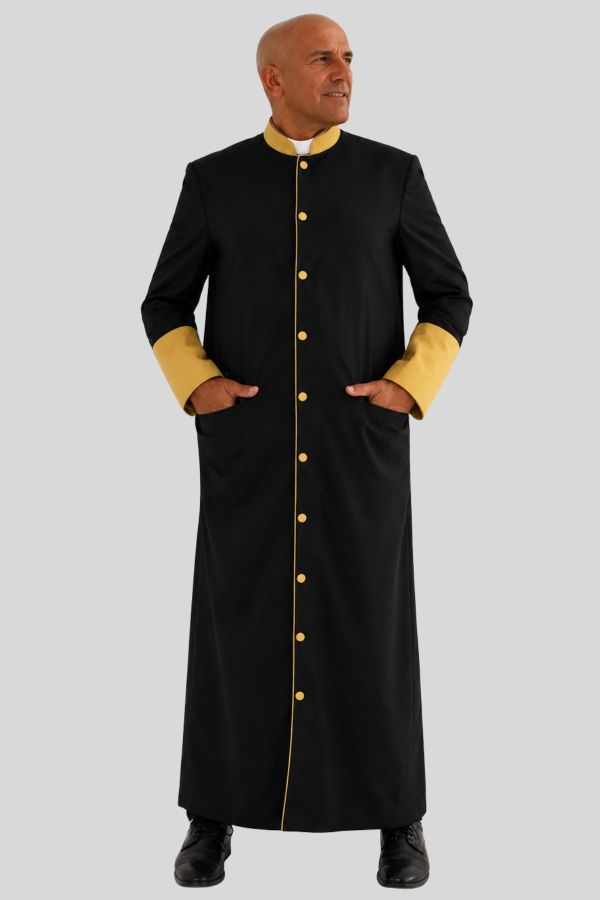
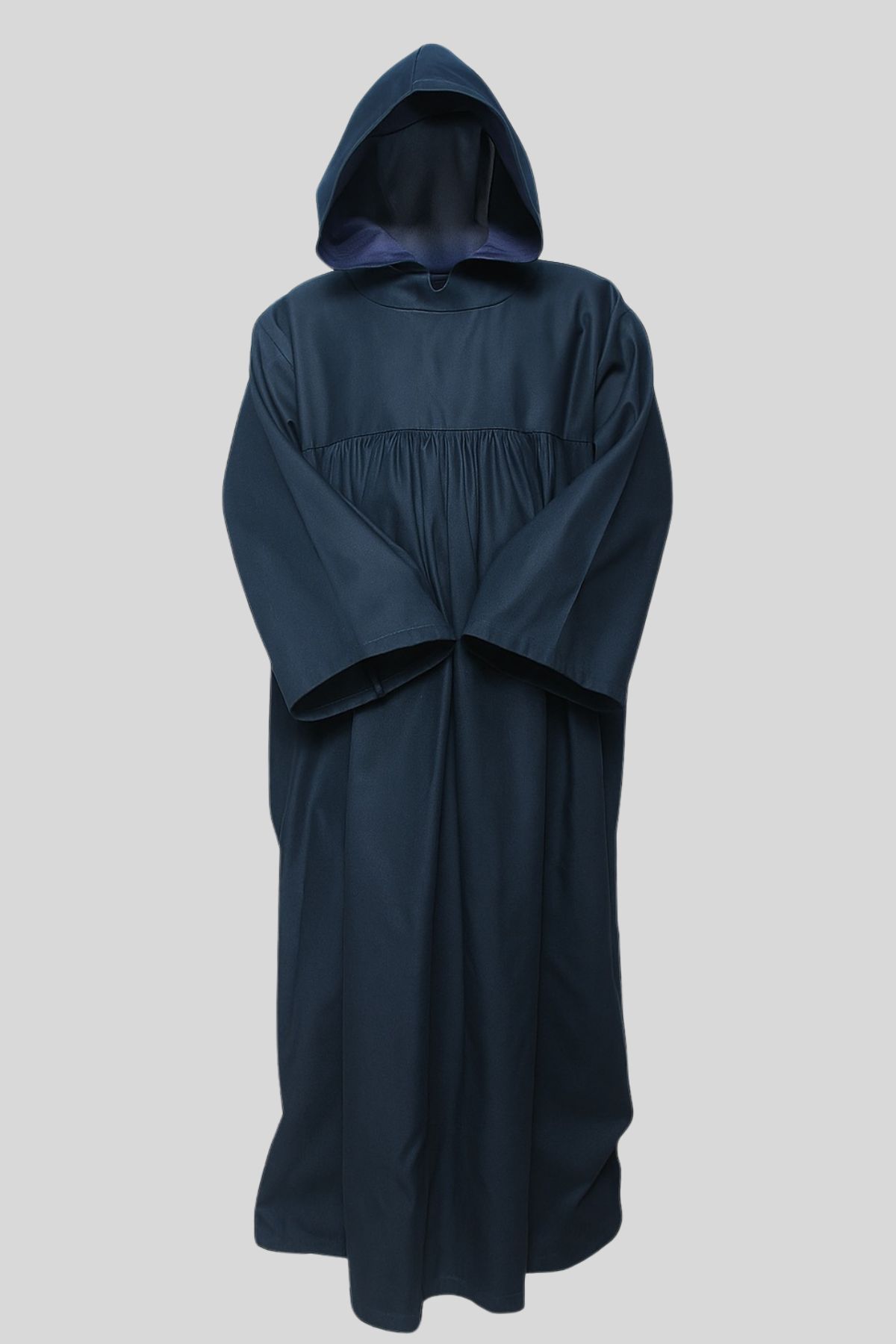
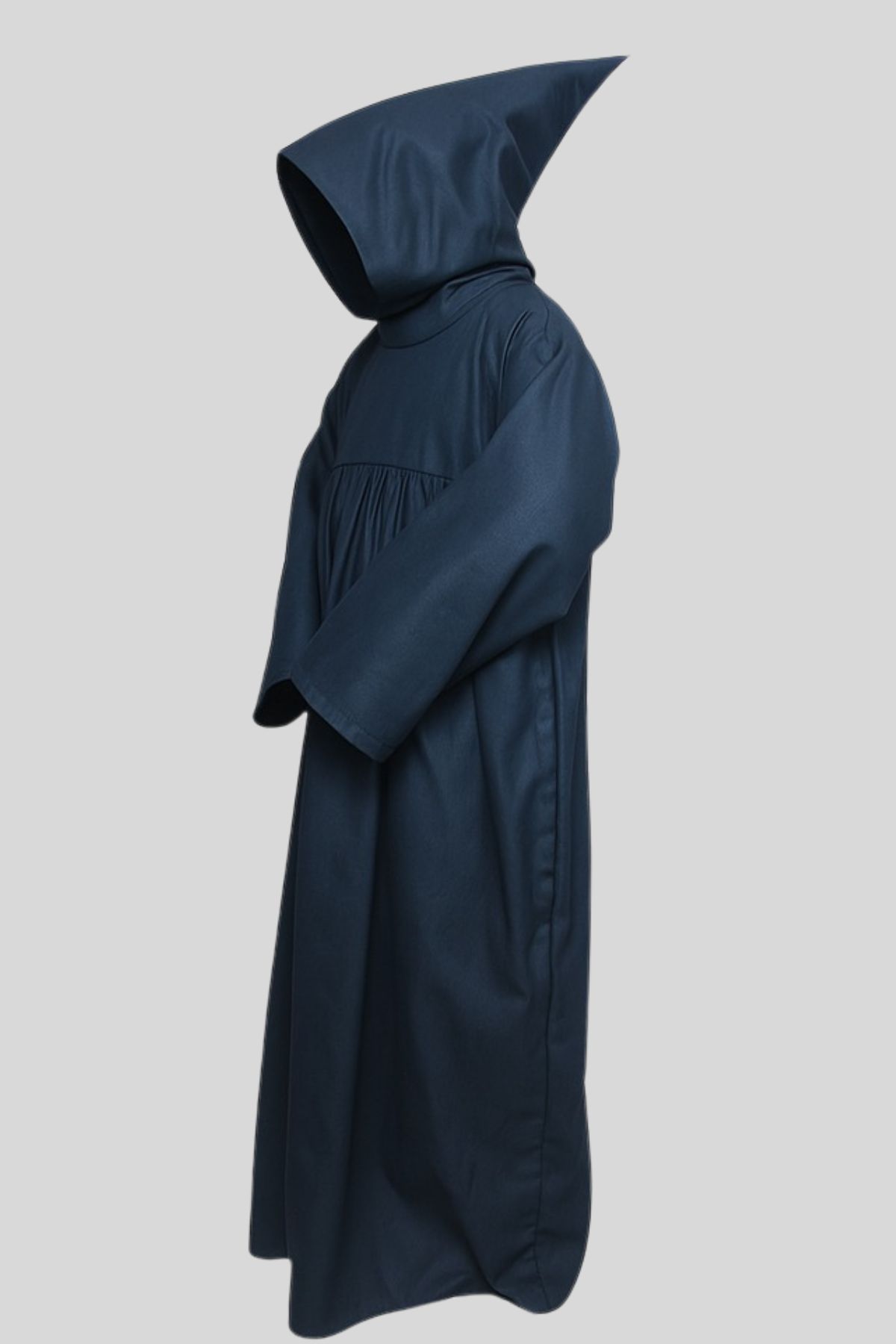
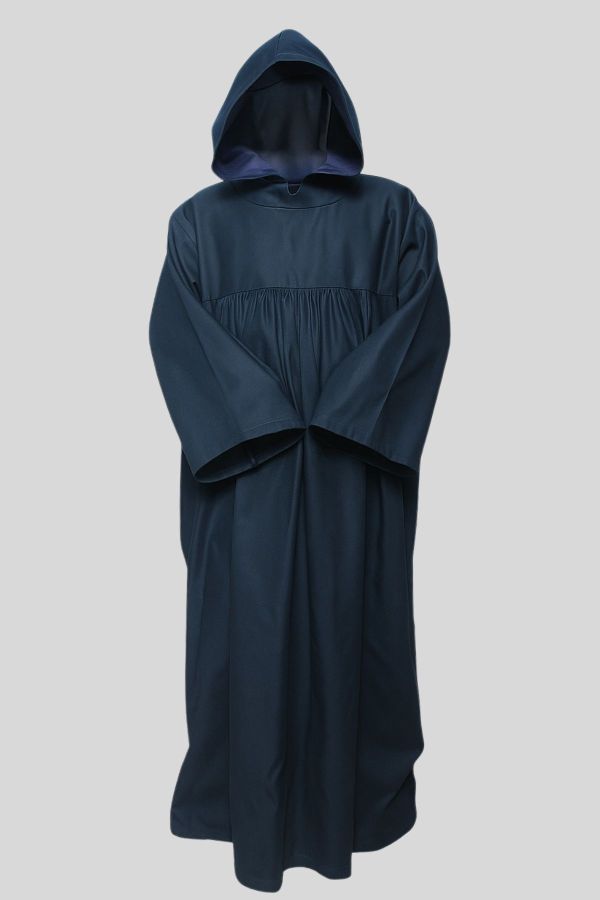
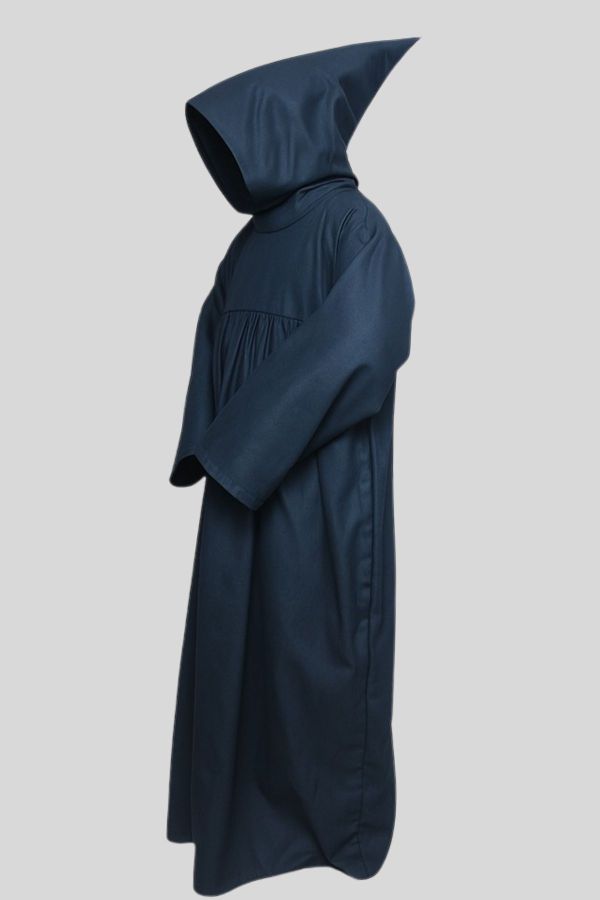
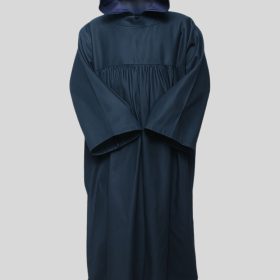
Traditional Benedictine Black Habit with Fixed Hood
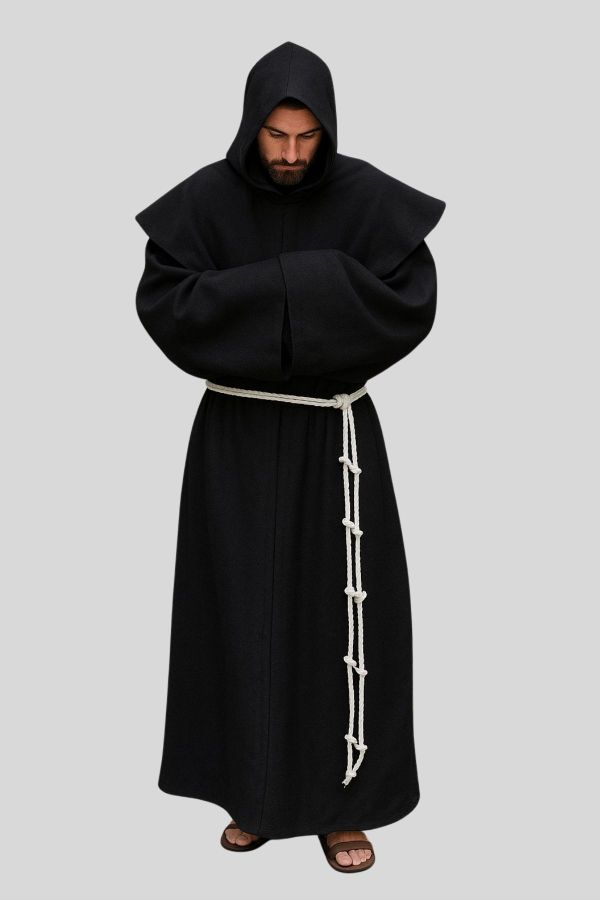
Embrace timeless tradition and spiritual simplicity with this authentic Monk Habit, crafted to reflect the humility and devotion of monastic life. Whether you’re part of a religious community, participating in sacred ceremonies, or searching for a high-quality habit for reenactments or theater, this robe delivers both visual authenticity and everyday practicality.
Designed with care and intention, the monk habit offers a dignified presence with its full-length form, flowing shape, and subtle pleating. The natural raw cotton fabric provides breathable comfort while maintaining a structured silhouette ideal for long hours of wear. Its minimalist aesthetic is deeply rooted in Benedictine tradition, making it not just a garment—but a symbol of purpose and devotion.
Perfect for daily use, this habit combines traditional style with modern ease, offering durability and comfort in every detail.
Key Features Benedictine Black Habit:
- Raw Cotton Fabric: Made from natural, breathable raw cotton that is soft to the touch, durable, and eco-friendly.
- Fixed Hood with Long Tail: Features a permanently attached hood with a long, tapered tail for a distinctive monastic silhouette.
- Pleated Front and Back: Tailored pleats in both front and back for a clean drape and enhanced mobility.
- Traditional Design: Inspired by historical Benedictine habits, offering a timeless look for religious or ceremonial use.
- Easy Care: Designed for convenience—machine washable for daily use and low-maintenance upkeep.
- Loose Fit for Comfort: Provides a relaxed and modest fit, allowing freedom of movement and layering if needed.
- Versatile Use: Ideal for monastic communities, clergy, religious reenactments, or stage performance.
Bring heritage and functionality together in this classic monk habit—a sacred garment that respects the past while meeting the needs of today.
FREQUENTLY ASKED QUESTIONS
Why do Benedictine monks wear black habits?
Benedictine monks wear black habits because black became the traditional color associated with Benedictine monastic dress over the centuries. The habit expresses monastic identity, simplicity, humility, and dedication to prayer and community life. Saint Benedict’s Rule did not establish a modern standardized black uniform; rather, Benedictine clothing developed through later tradition. Today, exact habit practices can differ among monasteries and Benedictine congregations.
What is the scapular on a Benedictine habit?
The scapular is a distinctive part of the traditional Benedictine habit worn over the monk’s tunic. It consists of a long strip or panel of fabric extending down the front and back of the body. Historically, the monastic scapular also had a practical function during work. Today, it remains an important element of Benedictine religious clothing, identifying the monk with his community and monastic vocation.
Does the Benedictine habit represent poverty?
Yes, the Benedictine habit can express the simplicity and renunciation associated with monastic life, including the virtue of poverty. However, the habit itself is not simply a symbol of poverty. It also represents obedience, community membership, prayer, stability, and dedication to monastic vocation. Benedictine monks make a commitment to a communal way of life under the Rule of Saint Benedict, and their simple clothing reflects that broader spiritual discipline.
Did the Rule of Saint Benedict specify a black habit?
No, the Rule of Saint Benedict did not specifically prescribe a black habit. In Chapter 55, Saint Benedict discusses the clothing appropriate for monks, emphasizing suitability, moderation, and adaptation to local conditions rather than establishing one universal color. The black Benedictine habit developed through later monastic tradition. Therefore, the modern black habit should not be understood as a direct clothing requirement written by Saint Benedict himself.
Do Benedictine monks wear their habits outside the monastery?
Yes, Benedictine monks may wear their habits outside the monastery, particularly when traveling, attending religious events, performing ministry, or representing their community. However, exact practices vary according to the monastery, congregation, circumstances, and local customs. The habit remains the monk’s distinctive religious clothing and can identify him publicly as a Benedictine. Practical considerations may sometimes lead monks to wear appropriate alternative clothing during particular activities or situations.