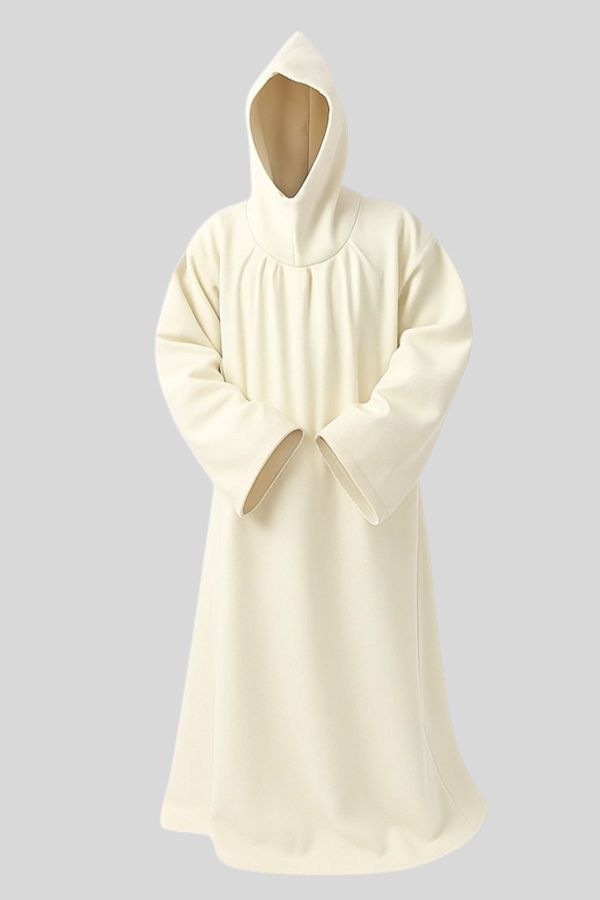
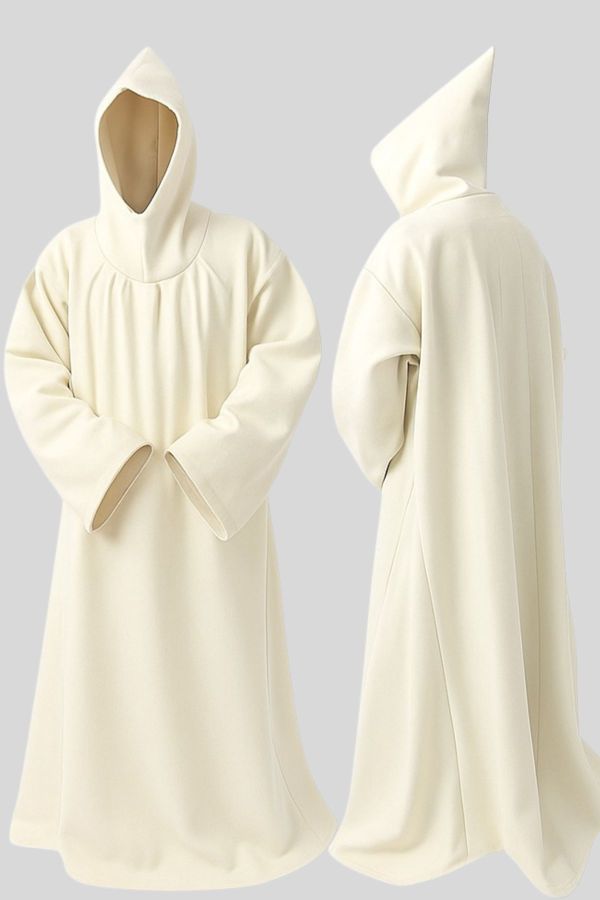
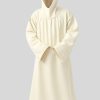
White Benedictine Habit for Monks
Price range: $ 99.99 through $ 119.99
- Fixed hooded habit for a traditional monastic look
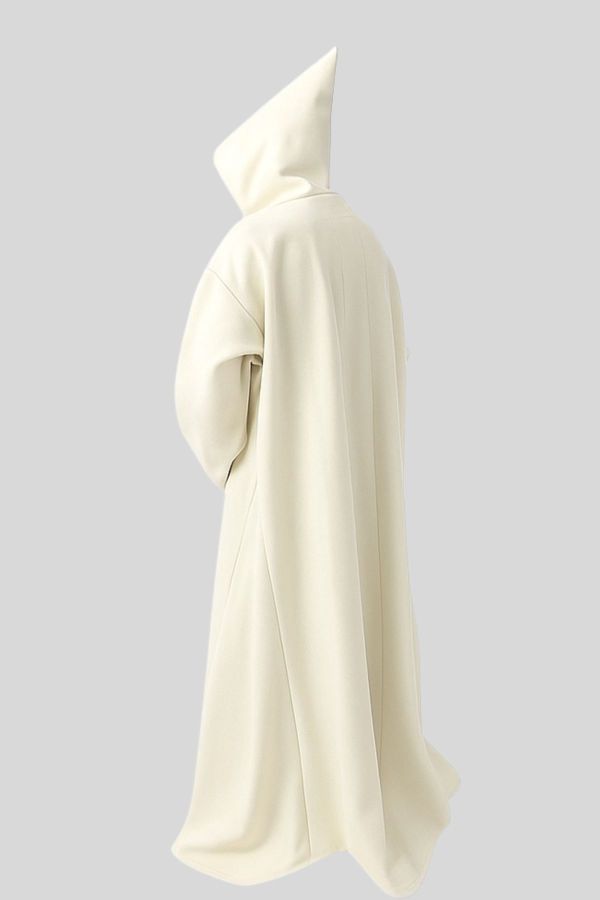
- Long hood tail, following the Benedictine style
- Raw Cotton fabric used for its production
- Made from natural raw cotton fabric
- Comfortable, breathable, and durable
- Dry clean only for best care and long life
White Benedictine Habit
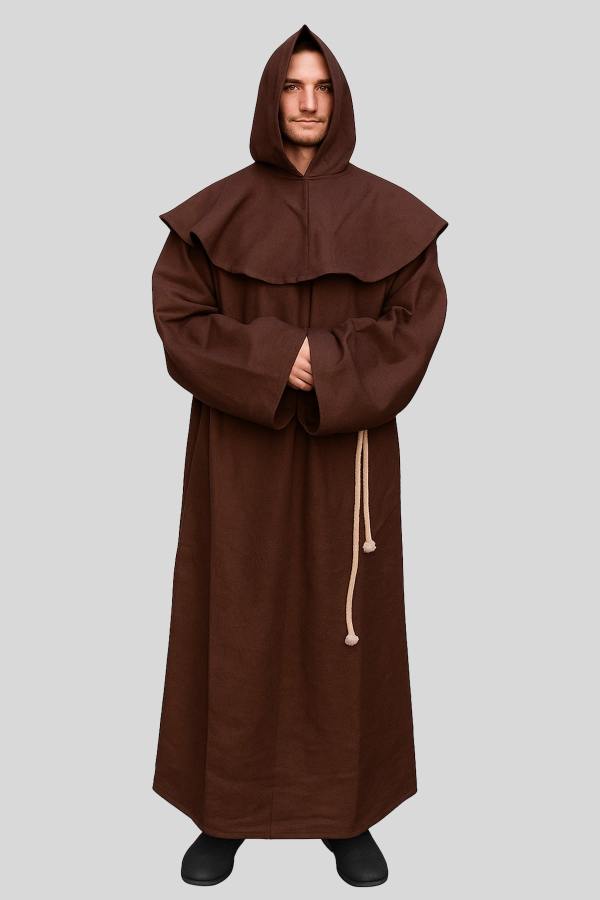
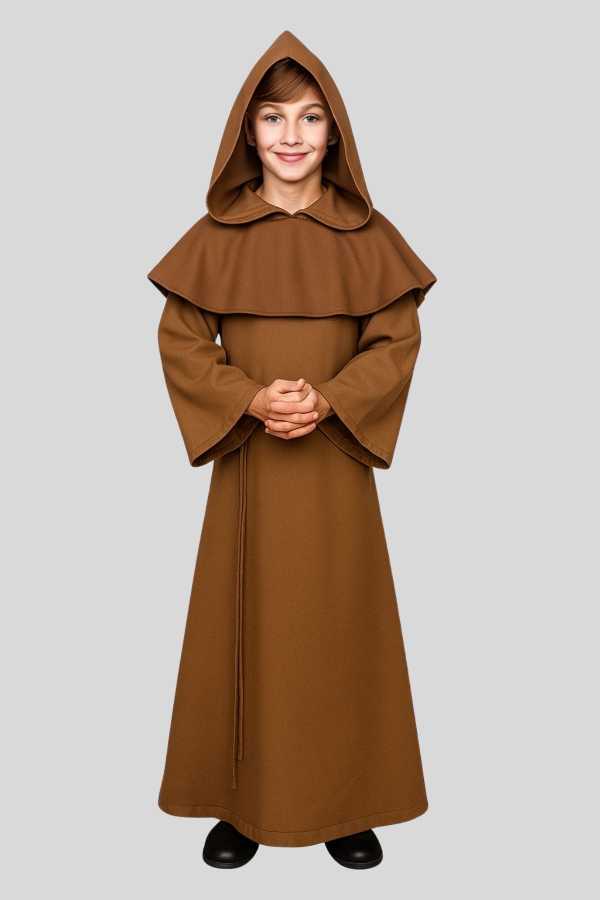
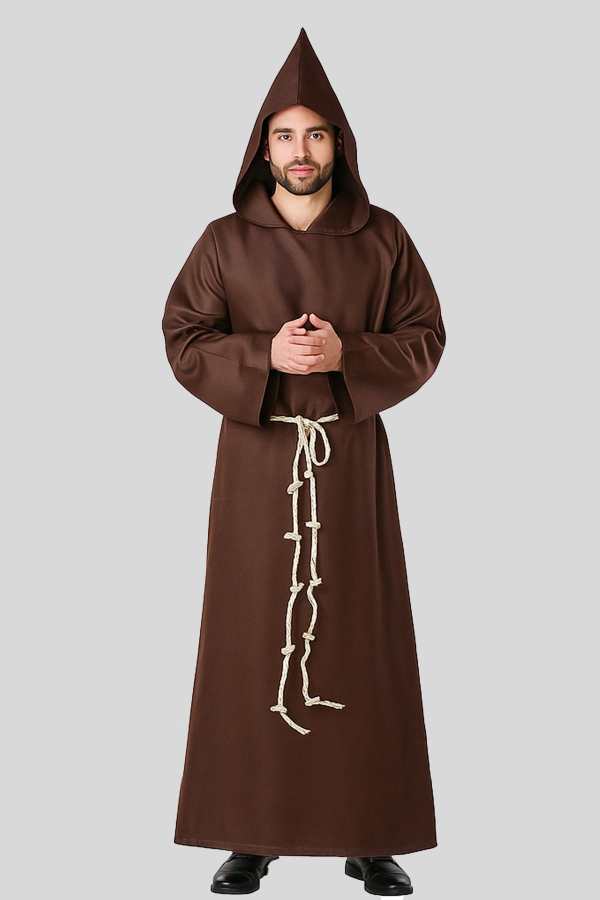
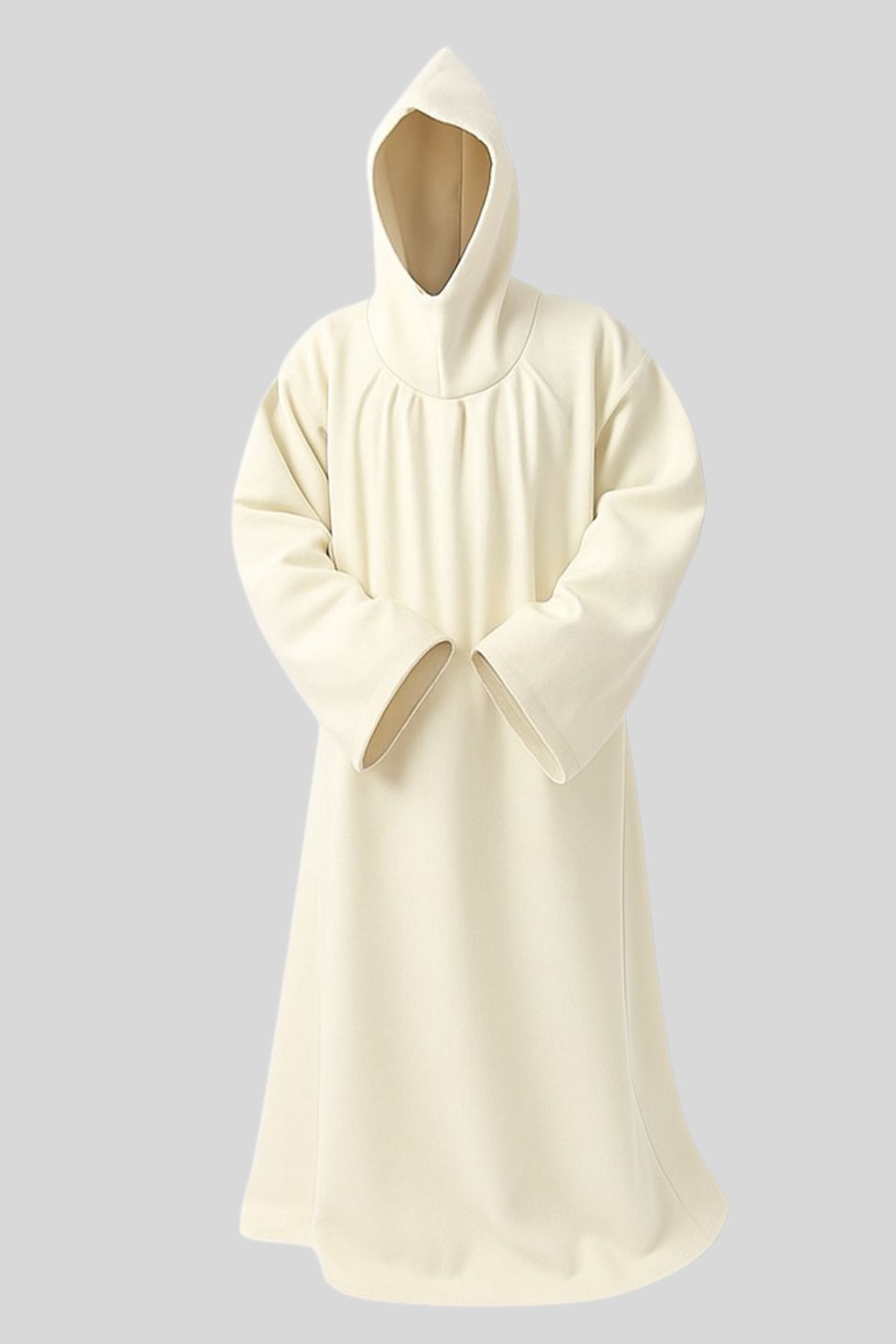
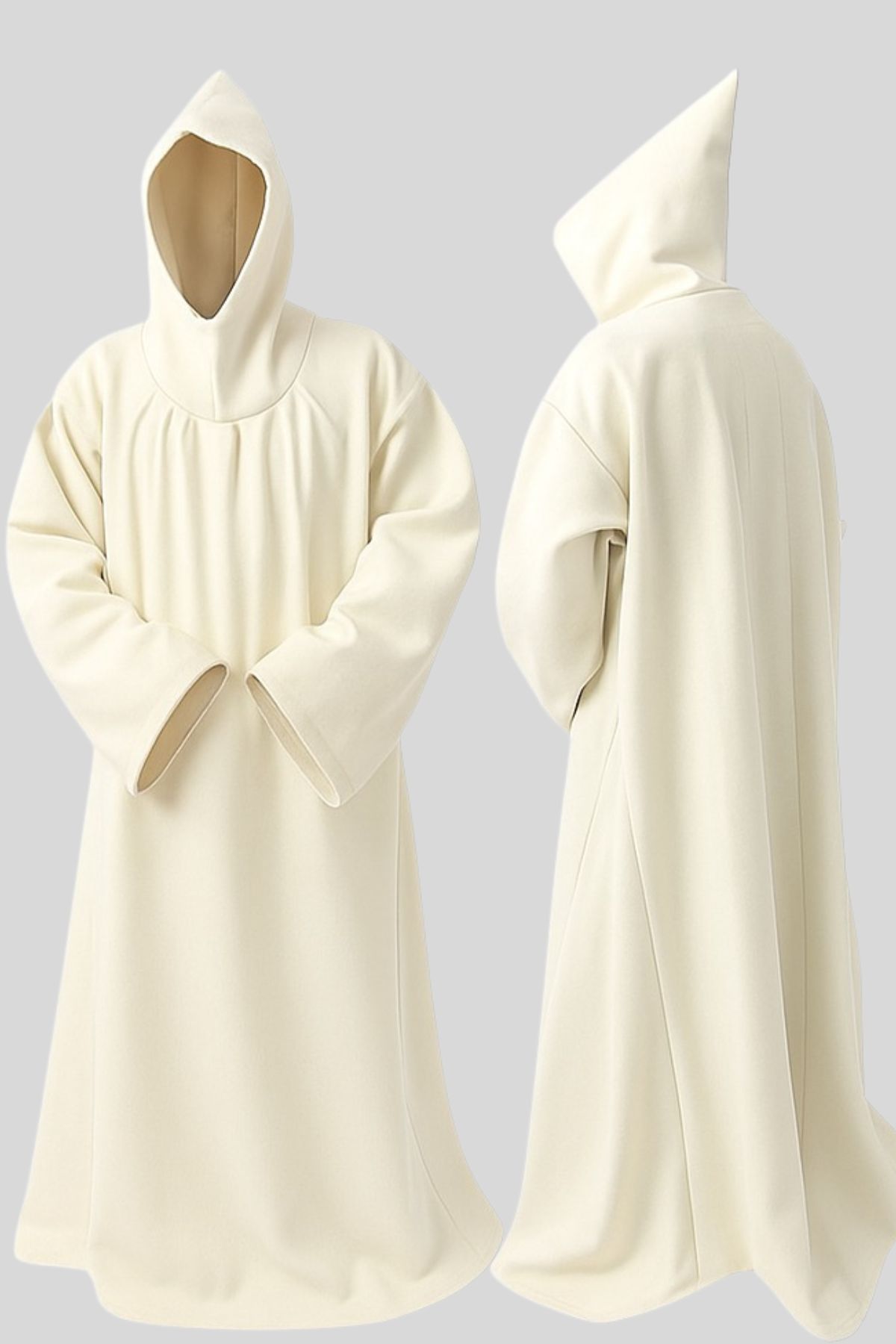
This habit features a fixed hood with a long tail, staying true to the classic Benedictine design. The full-length robe has a loose and flowing fit that allows for ease of movement and modest coverage. Whether used in monasteries, during liturgical services, or as part of sacred costume, the White Benedictine Habit offers a faithful representation of monastic tradition with practical comfort.
Key Features :
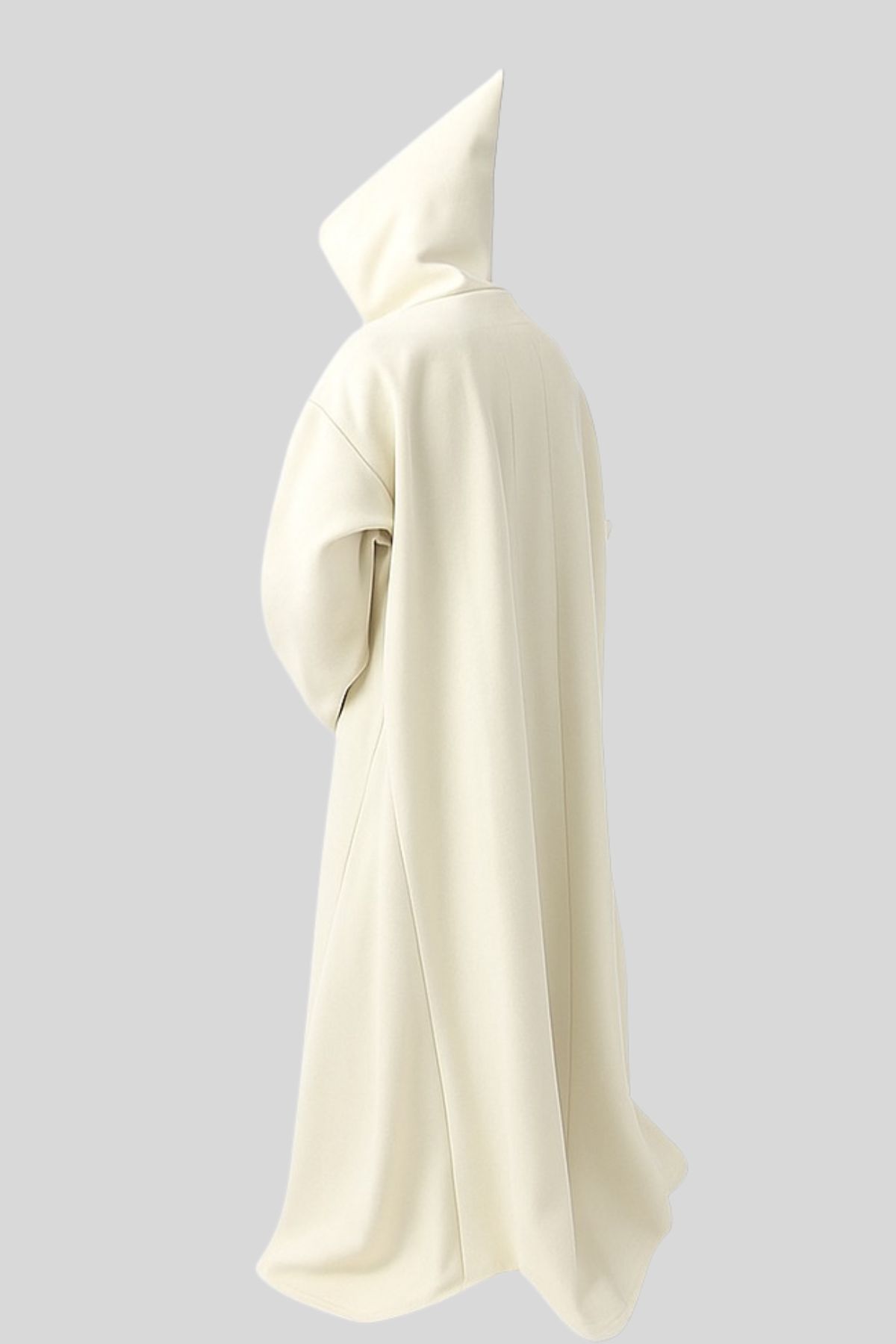
- The habit includes a classic fixed hood that is sewn into the garment and cannot be removed. The hood features an extended tail at the back, a distinctive element of authentic Benedictine monastic attire, symbolizing humility and spiritual focus.
- Crafted from 100% raw cotton, this fabric is breathable, soft, and comfortable for long hours of wear. Raw cotton also provides a natural texture and feel, ideal for those seeking simplicity in both appearance and lifestyle.
- The robe is designed to fall freely from the shoulders to the ankles, offering modest coverage and allowing easy movement. Its loose, unstructured form supports the Benedictine value of detachment from material concerns.
- The pure white tone symbolizes purity, peace, and spiritual dedication. It’s especially suitable for religious ceremonies, feast days, or roles that require a symbolic visual presence.
- Suitable for both men and women, the Benedictine Habit is available in multiple sizes and cuts for a comfortable, inclusive fit.
FREQUENTLY ASKED QUESTIONS
Can Benedictine monks wear ordinary clothing?
Benedictine monks can wear ordinary clothing in certain circumstances, but practices depend on the monastery and its regulations. The religious habit is traditionally their distinctive dress for monastic life, prayer, worship, and community activities. Practical work, travel, health, or particular duties may sometimes require different clothing. Therefore, Benedictine monks do not necessarily wear the habit in every situation, although it remains an important expression of their monastic identity.
When does a Benedictine monk receive his habit?
A Benedictine monk normally receives his habit at a formal stage of monastic formation, commonly when he enters the novitiate. The precise timing and ceremony vary between Benedictine monasteries and congregations. Receiving the habit marks an important step in beginning a more committed period of religious formation. From that point, the habit becomes a visible sign of the monk’s developing vocation, community membership, prayer, discipline, and commitment to Benedictine life.
What happens when a monk receives the Benedictine habit?
When a monk receives the Benedictine habit, he formally enters an important stage of monastic formation according to his community’s customs. The clothing ceremony can symbolize his new identity, commitment to religious discipline, and incorporation into the monastery’s way of life. The habit becomes a visible sign of his vocation and community membership. Specific prayers, blessings, clothing procedures, and ceremonial details vary among Benedictine monasteries and congregations.
How should a Benedictine habit fit?
A Benedictine habit should fit comfortably while maintaining the traditional loose, modest silhouette associated with monastic clothing. The tunic should allow natural movement through the shoulders, chest, arms, and legs without being excessively tight or unnecessarily oversized. Sleeves should provide comfortable coverage, while the overall length should reach appropriately toward the ankles. Holy Clergy recommends using accurate body measurements and allowing suitable ease for garments worn underneath.
How do you measure for a Benedictine habit?
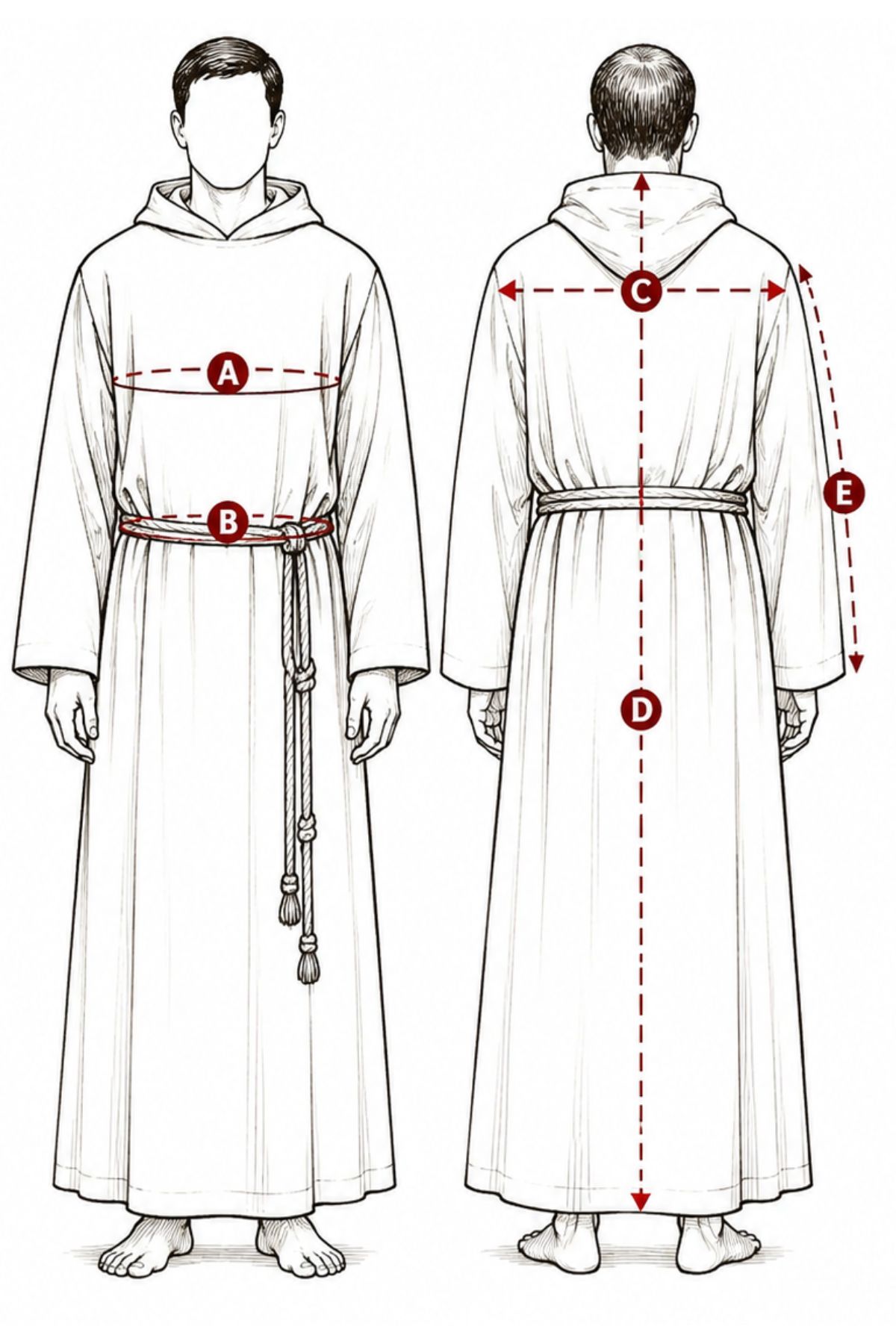
To measure for a Benedictine habit, take your chest, waist, shoulder, sleeve, and full garment-length measurements while standing naturally. Wear the type of clothing normally worn underneath the habit and avoid pulling the measuring tape tightly. Because a monastic habit is traditionally loose fitting, allow sufficient ease for comfortable movement. Compare the measurements with the manufacturer’s sizing chart, or provide them to Holy Clergy for custom tailoring.
 White Benedictine Habit for Monks

 Verified owner
This white habit brings peace the moment I put it on. The fabric is not too heavy, and the cut allows quiet movement during daily prayers and work. The fixed hood and wide sleeves reflect the traditional Benedictine style. I am grateful for the careful stitching and spiritual design.
 Verified owner
Very traditional shape with long flowing panels
 Verified owner
Fixed hood is well shaped and stays in place during movement