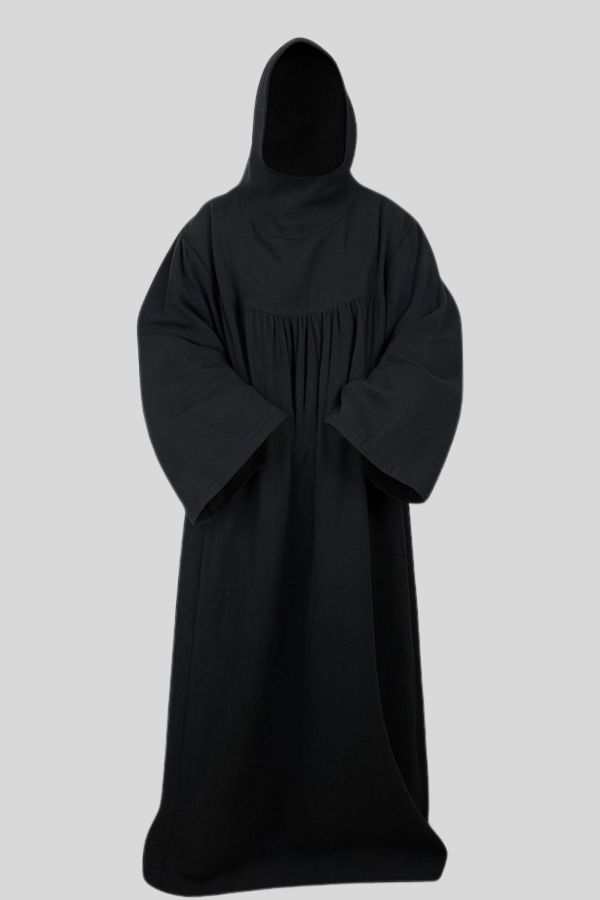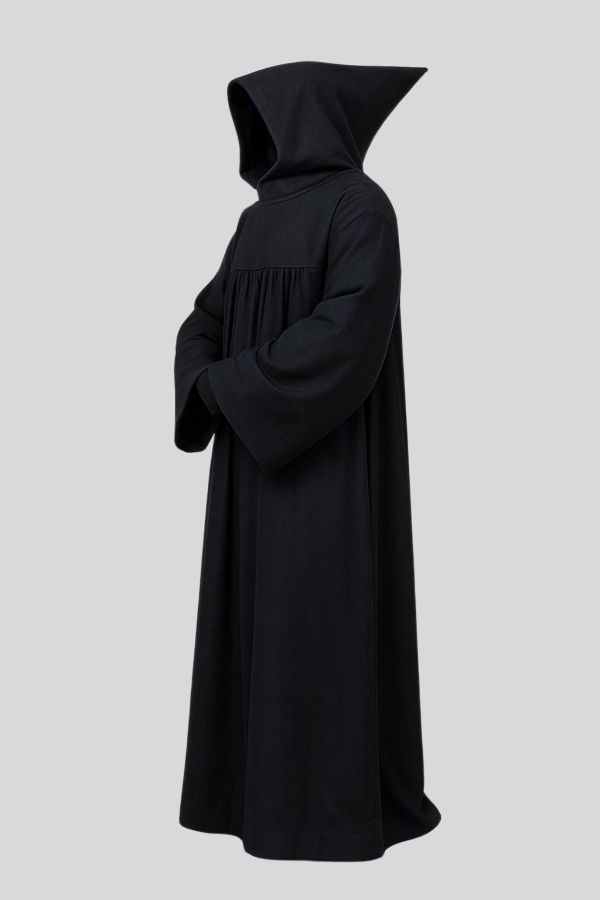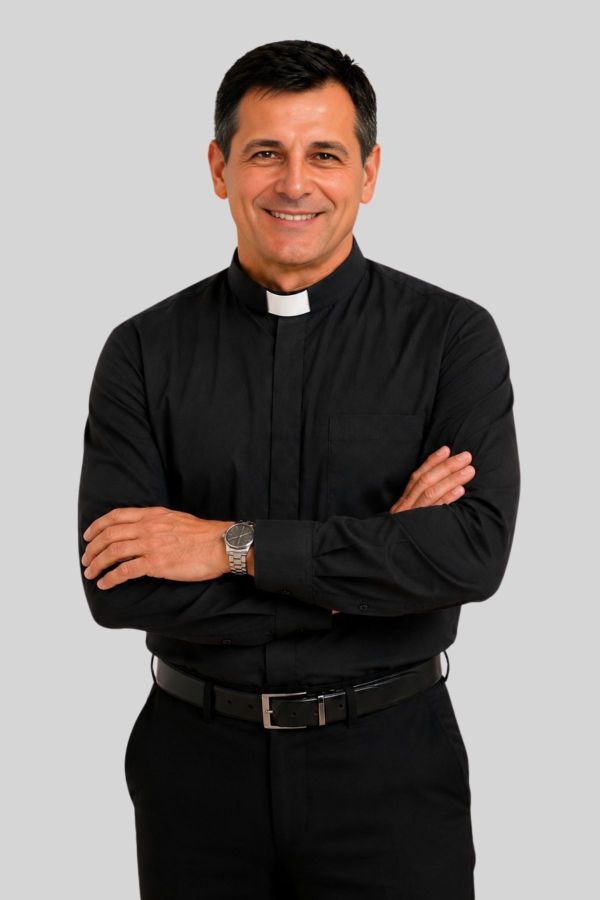


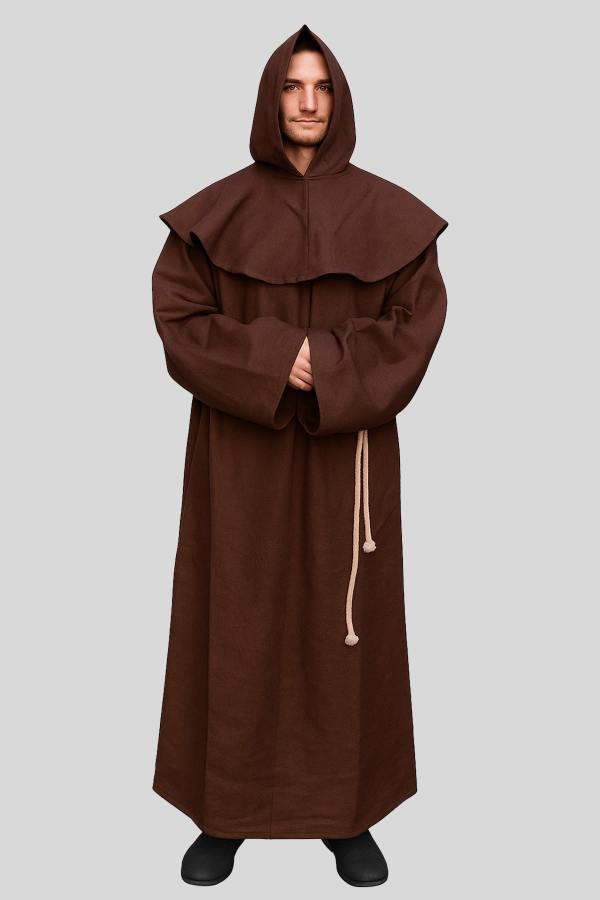

Handcrafted Franciscan Habit
Price range: $ 109.99 through $ 129.99
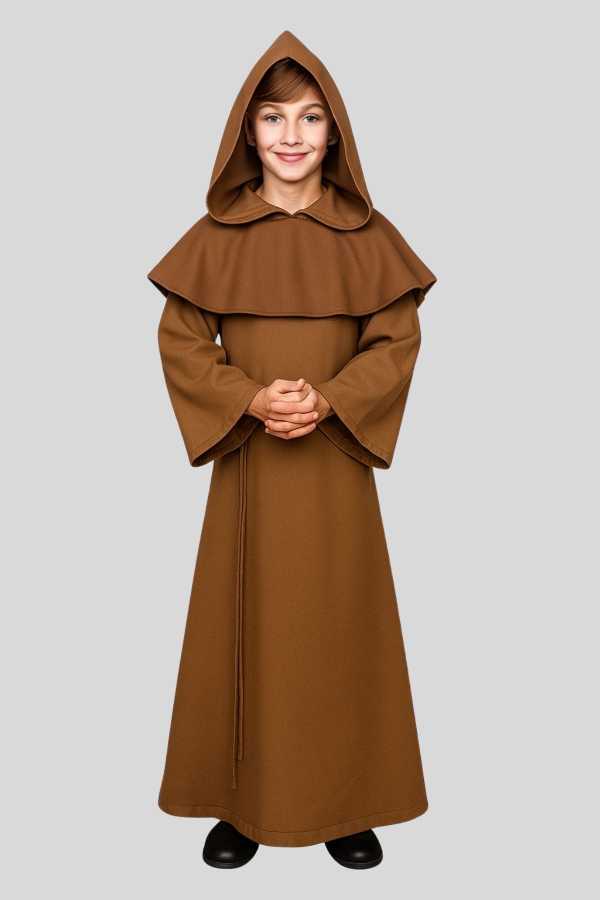
- Raw cotton fabric provides natural comfort and durability.
- Removable hood cowl offers versatile traditional styling.
- Long-tail hood creates an authentic Franciscan appearance.
- High-quality construction ensures lasting wear and comfort.
- Rope belt completes the traditional Franciscan habit.
Franciscan Habit – Garment of Simplicity and Devotion
Embrace a life of humility and spiritual reflection with the Franciscan Habit, a traditional monastic robe inspired by the simple lifestyle of the Franciscan order. Designed to reflect the core values of poverty, peace, and piety, this habit is more than just clothing—it’s a symbol of a deeper calling.
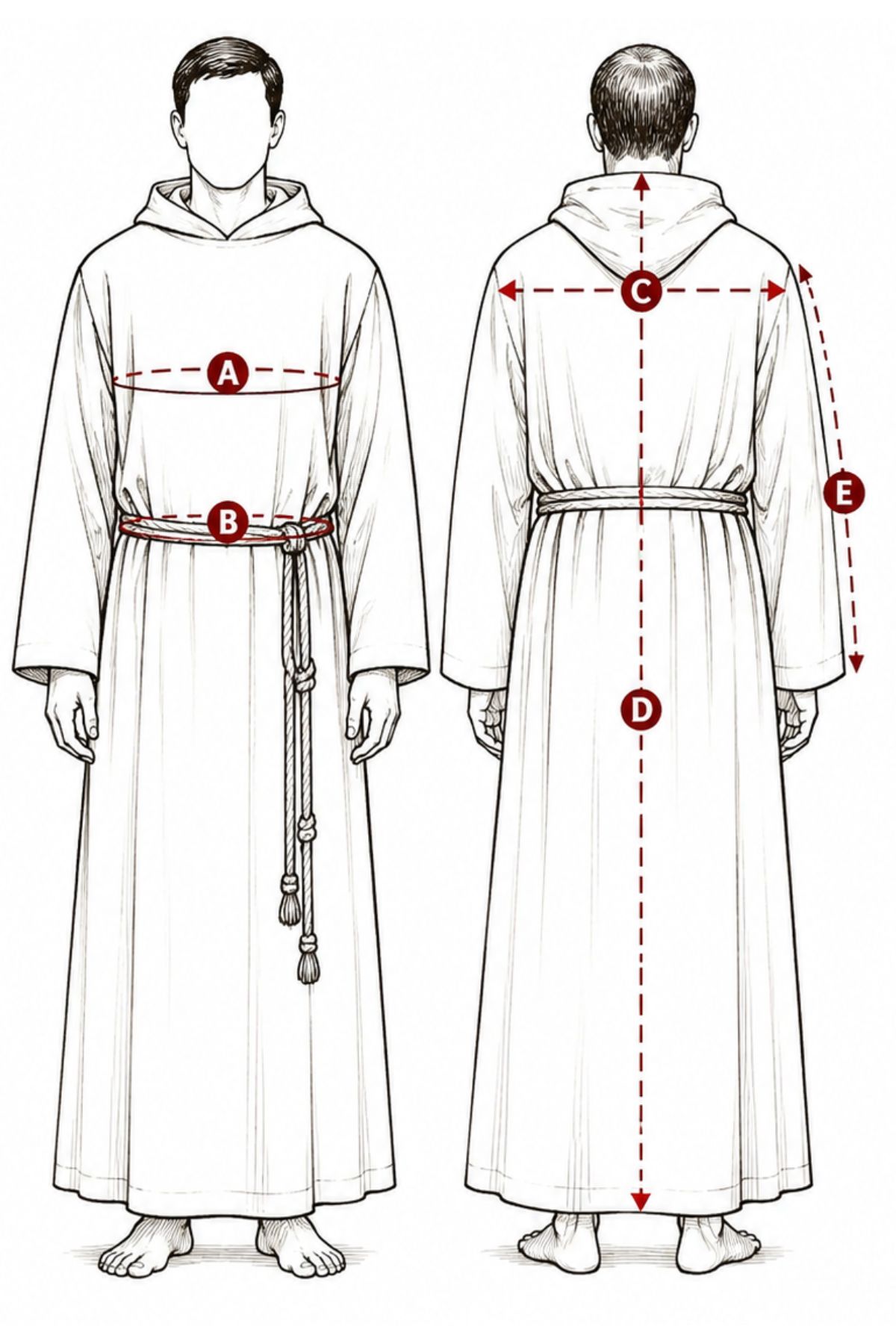
Whether you’re a monk, a religious practitioner, or participating in historical reenactments or sacred ceremonies, this habit offers both authenticity and comfort. The classic design features a full-length hooded robe with wide sleeves and a long cincture belt, traditionally knotted to represent vows.
Key Features:
- Authentic Monastic Design: Full-length robe with wide sleeves and an oversized hood, modeled after the traditional attire of Franciscan friars.
- High-Quality Fabric: Made from durable and breathable material (such as cotton or wool blend), ensuring comfort during extended wear.
- Cincture Cord Included: Comes with a matching long cord belt (cincture) to complete the traditional look, symbolizing commitment and devotion.
- Neutral Earth Tone Options: Available in classic brown, white, gray, or black colors that reflect simplicity and monastic purity.
- Functional Fit: Designed with generous sizing to allow freedom of movement and layering if needed.
Perfect For:
- Religious ceremonies and monastic life
- Spiritual retreats and prayer
- Church plays, reenactments, and educational settings
- Personal devotion or themed events
Live with purpose and wear with meaning.
The Franciscan Habit is more than a robe it is a reflection of spiritual discipline and timeless tradition.
Order now and step into a life of mindful simplicity.
FREQUENTLY ASKED QUESTIONS
Do Franciscan friars still wear habits today?
Yes, Franciscan friars still wear religious habits today, although the exact style and frequency vary among Franciscan branches and communities. The habit commonly includes a simple tunic, hood or cowl, and cord cincture. Some communities may adapt their clothing for particular circumstances. The habit remains an important visible sign of Franciscan identity, religious commitment, simplicity, and dedication to the spiritual tradition of Saint Francis of Assisi.
Did Saint Francis of Assisi wear a habit?
Yes, Saint Francis of Assisi wore the simple religious clothing associated with the early Franciscan movement. His clothing reflected his commitment to poverty, humility, and a life modeled on the Gospel. The modern Franciscan habit developed from this early tradition but has changed in design and details over time. Saint Francis’s simple garment became the foundation for the distinctive habit associated with Franciscan friars and religious communities.
Why are Franciscan habits brown?
Franciscan habits are often brown because brown became strongly associated with the Order’s tradition of simple, modest religious clothing. Early Franciscans emphasized poverty and commonly used inexpensive, undyed or naturally colored fabrics, which could appear brown, gray, or other muted shades. However, not every Franciscan community uses brown today. Habit color varies between Franciscan branches, historical traditions, and individual religious communities.
What are the parts of a Franciscan habit?
The traditional Franciscan habit commonly consists of a long tunic, a hood or cowl, and a rope cord or cincture worn around the waist. Some Franciscan communities may also use additional garments or distinctive accessories according to their particular tradition. The simple construction reflects Franciscan ideals of poverty and humility. The habit identifies the wearer with Franciscan religious life and serves as a visible sign of community membership and vocation.
Do Franciscan friars wear their habits all the time?
Franciscan friars traditionally wear their religious habit as their regular community dress, but they may not wear it in every circumstance. Practical activities, health, travel, work, weather, or community regulations can affect when the habit is worn. Practices also vary between Franciscan branches. Nevertheless, the habit remains an important part of Franciscan religious identity and is commonly worn for community life, ministry, prayer, worship, and formal religious occasions.
 Handcrafted Franciscan Habit

 Verified owner
I love the simplicity and authenticity of this Franciscan habit. The raw cotton is soft and breathable—perfect for long days.

 Verified owner
The craftsmanship is excellent. The lightweight fabric makes it easy to wear during summer retreats.
 Verified owner
I especially appreciate the removable hood with its long tail—it completes the traditional Franciscan look.