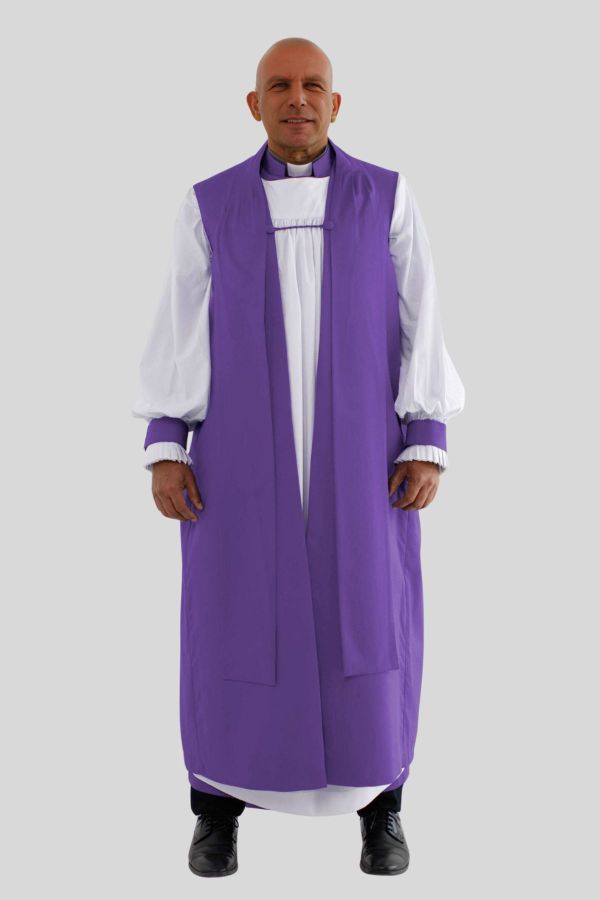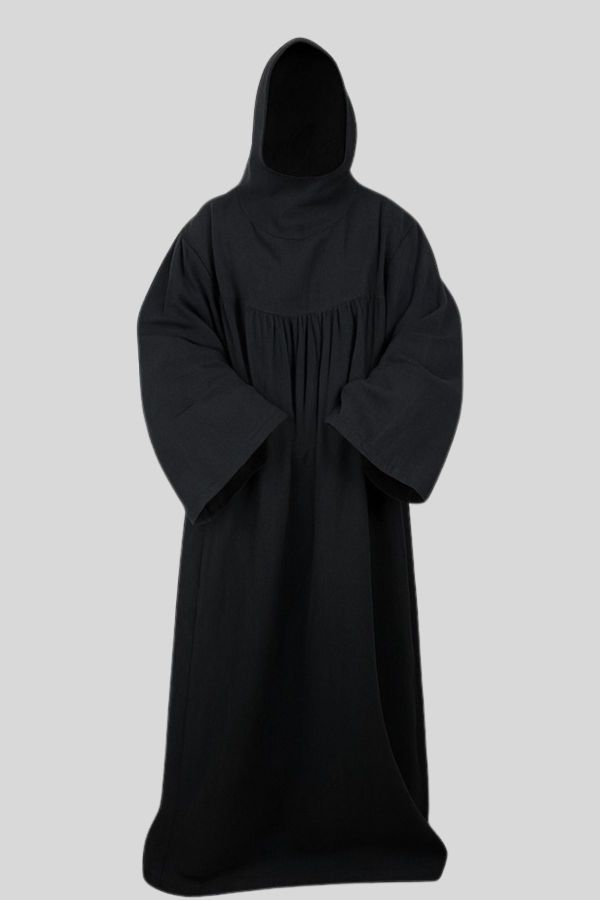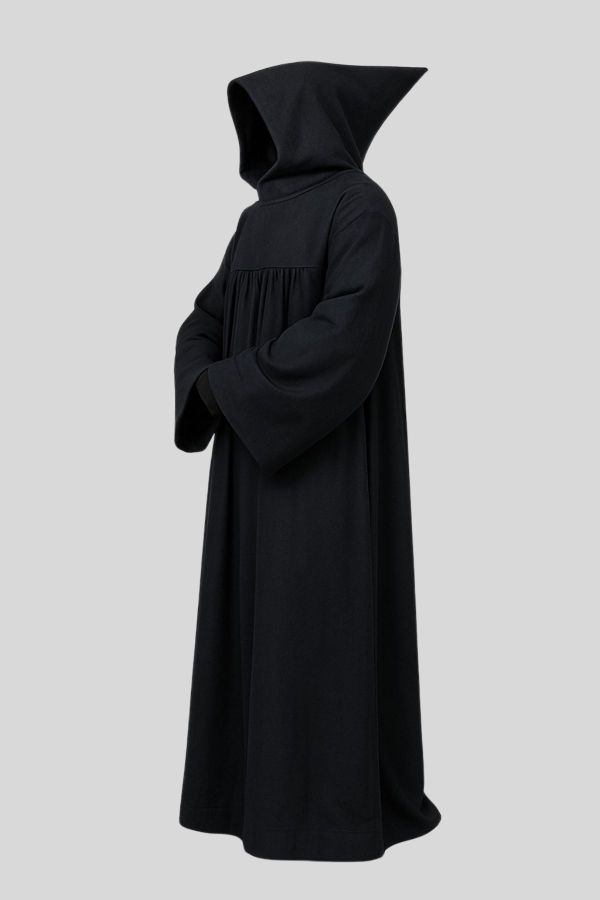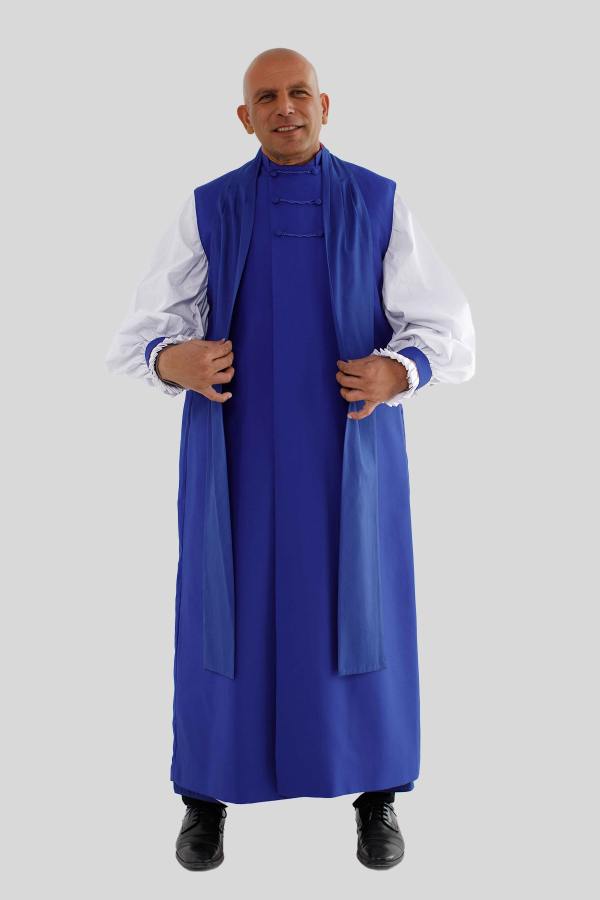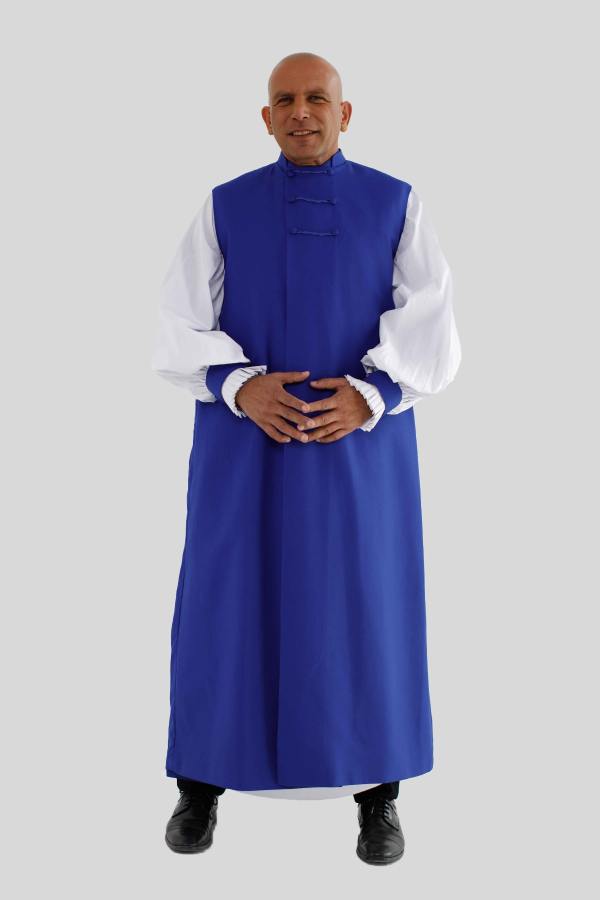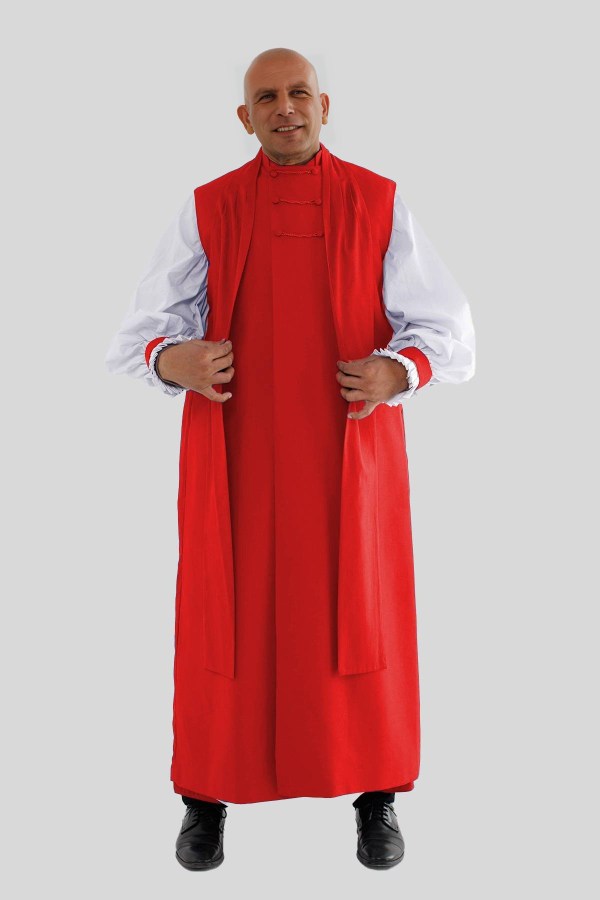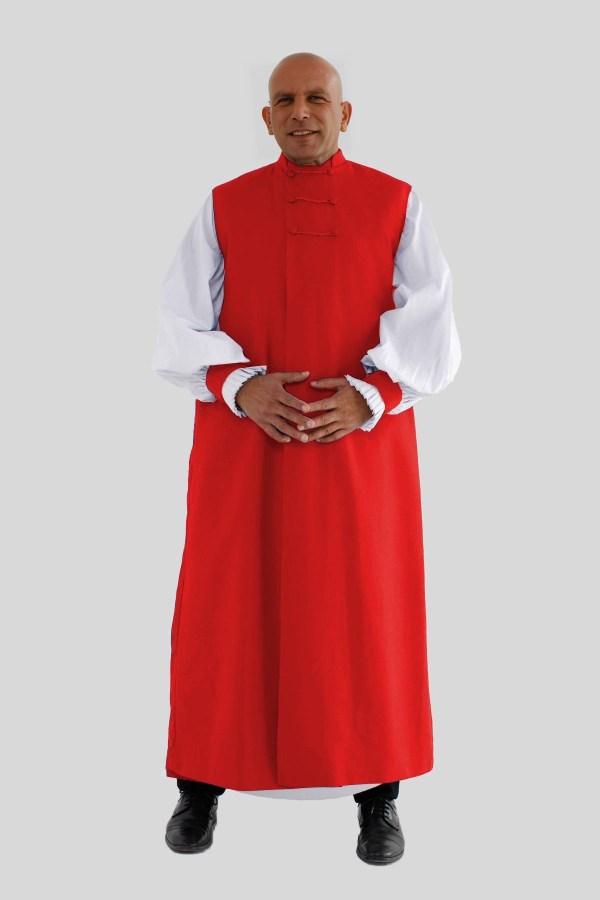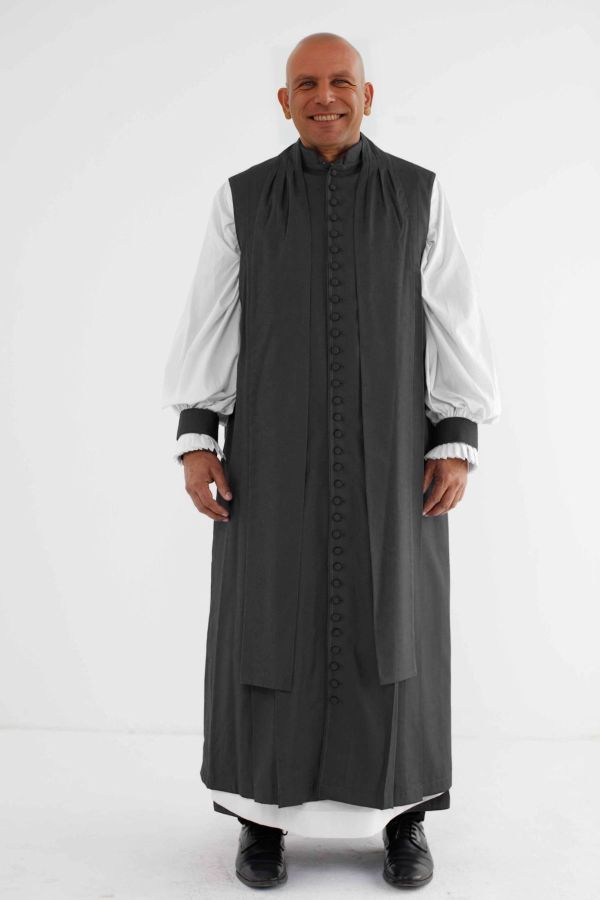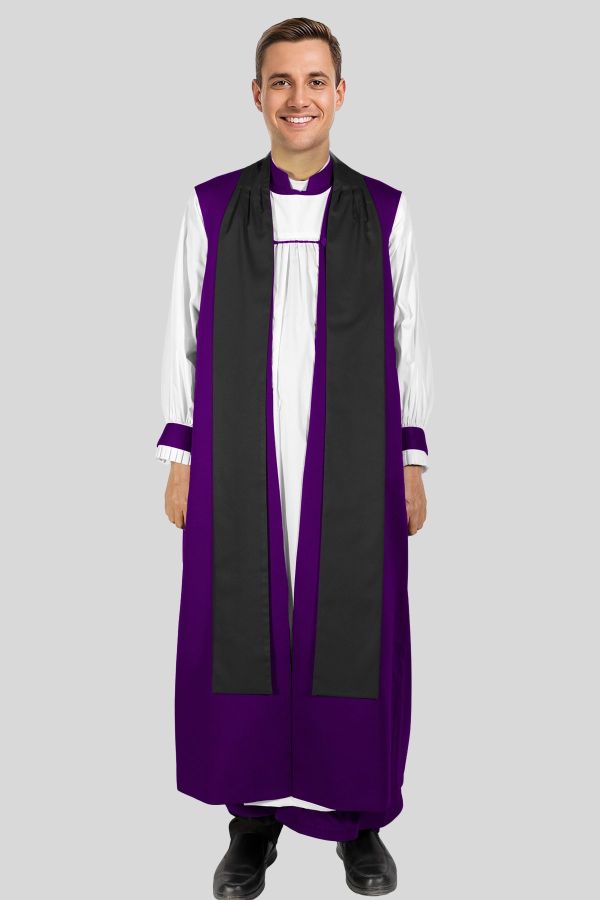
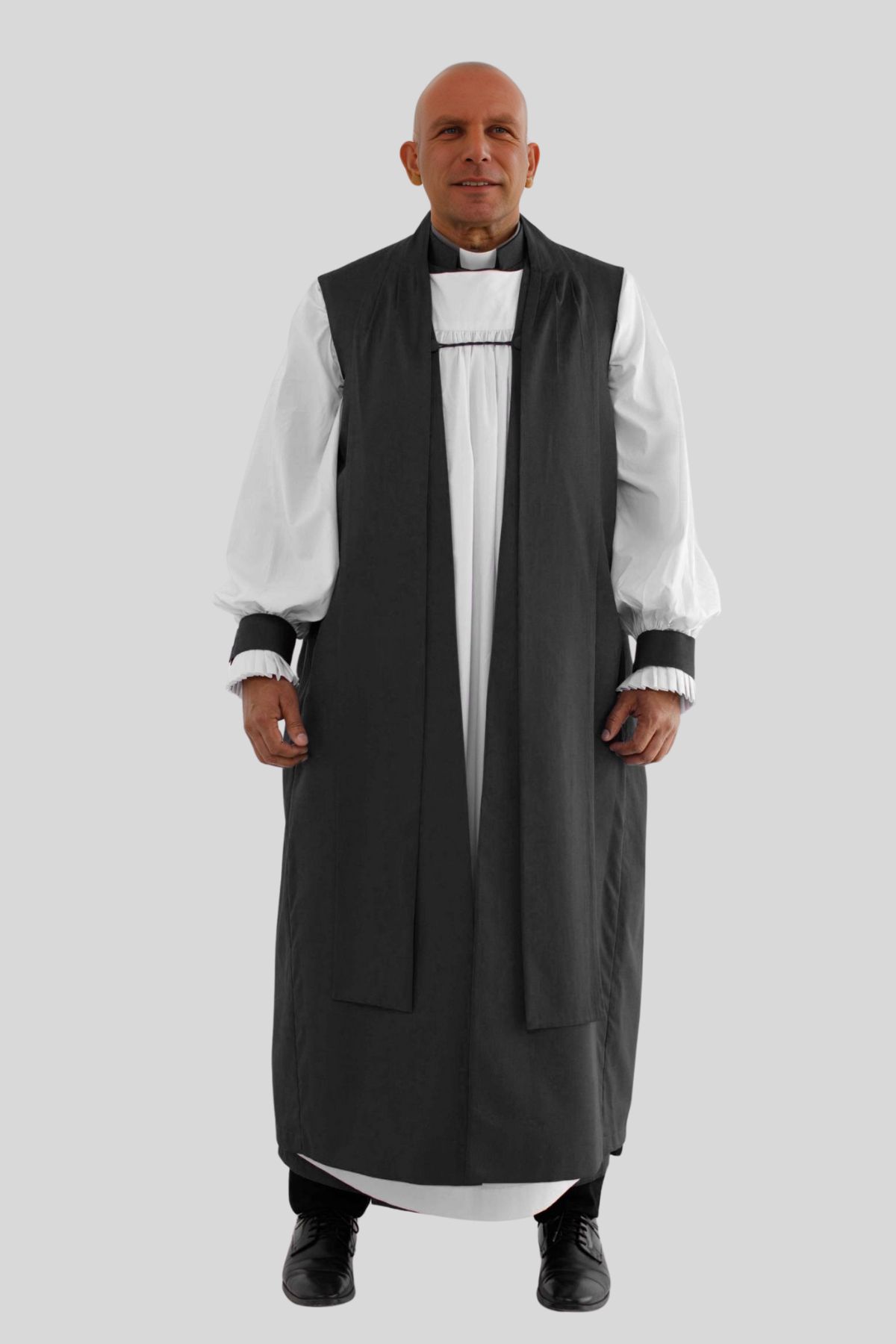
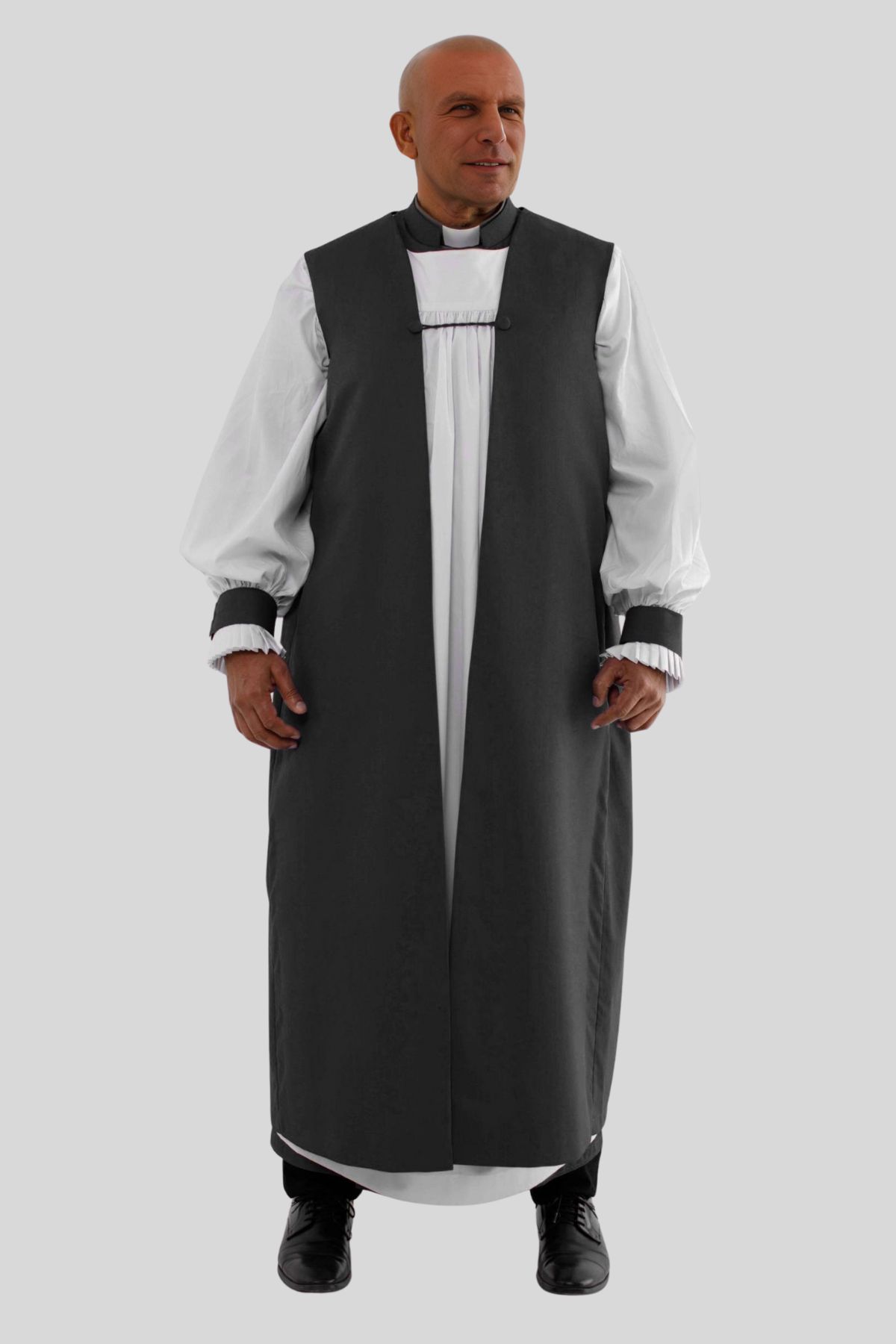
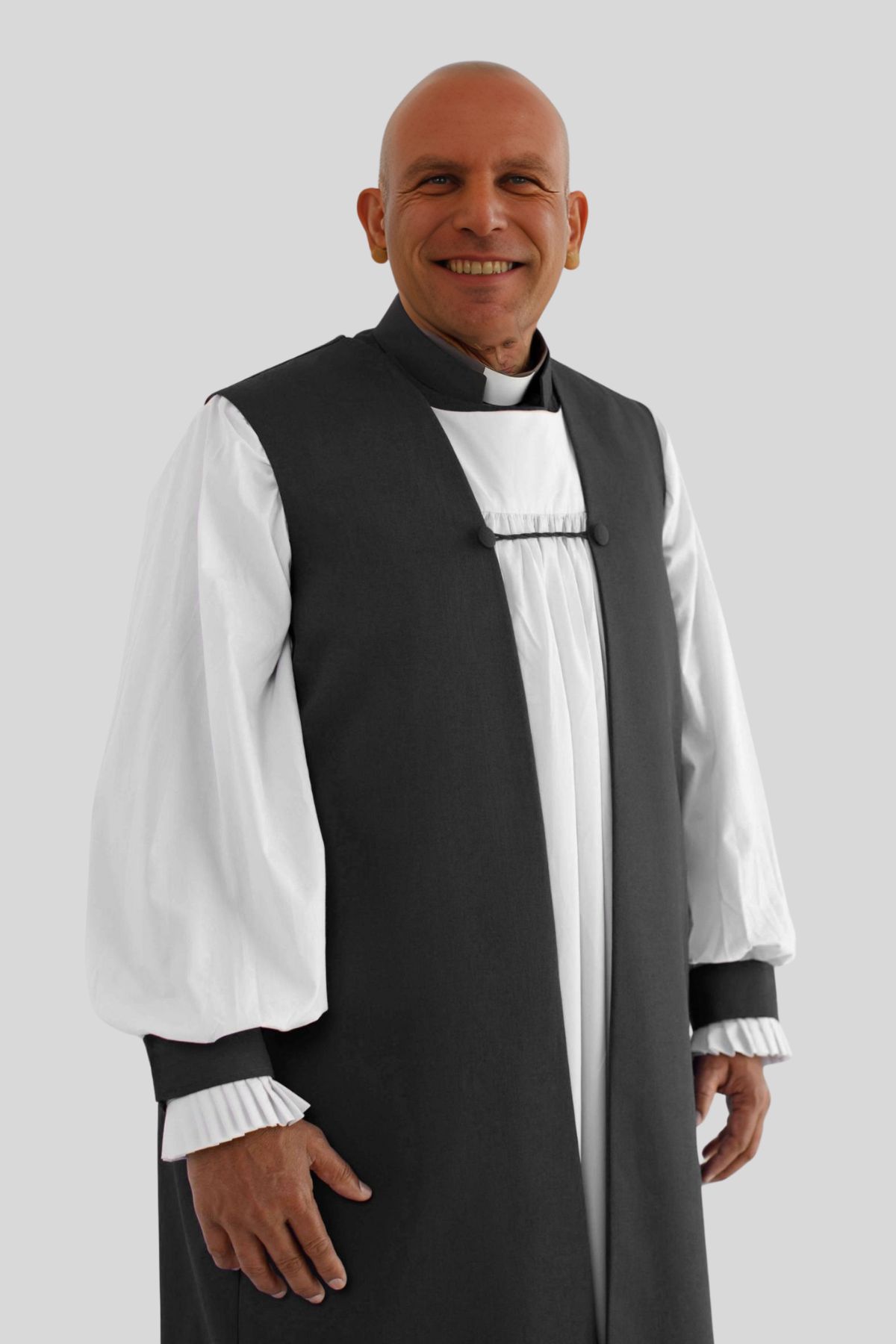




Classic Black Chimere Vestment for Clergy and Bishops
Original price was: $ 160.00.$ 120.00Current price is: $ 120.00.
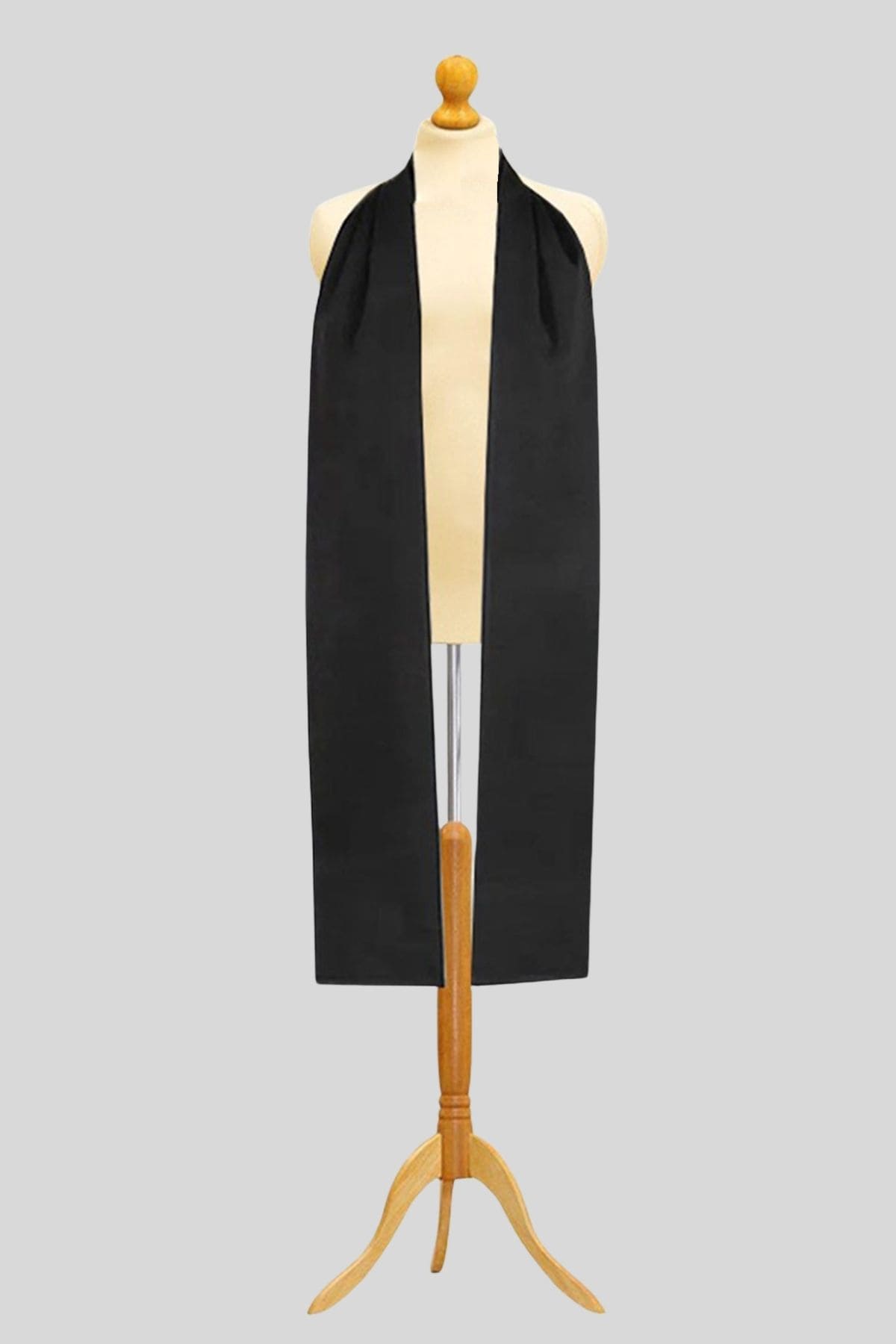
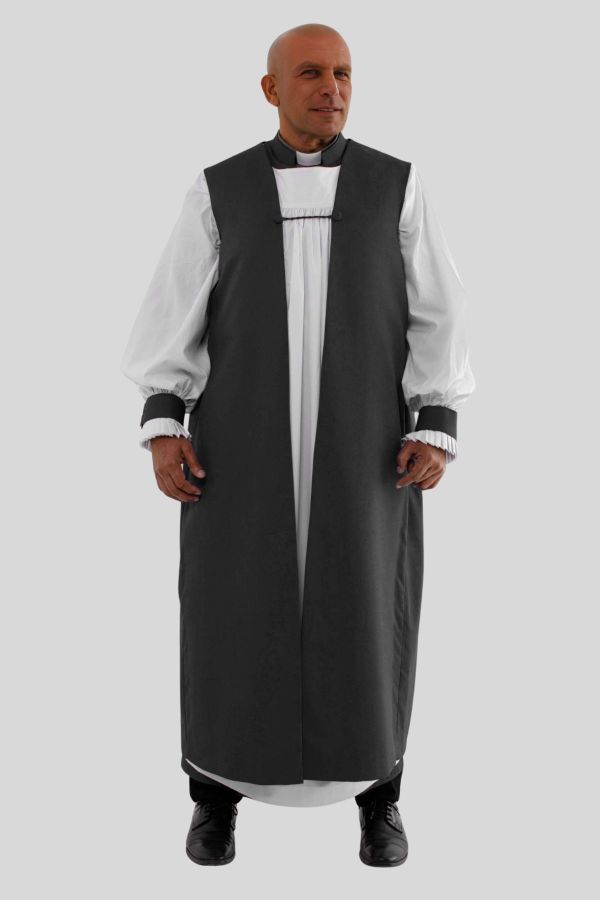
- Superfine tropical fabric used for both chimere and tippet
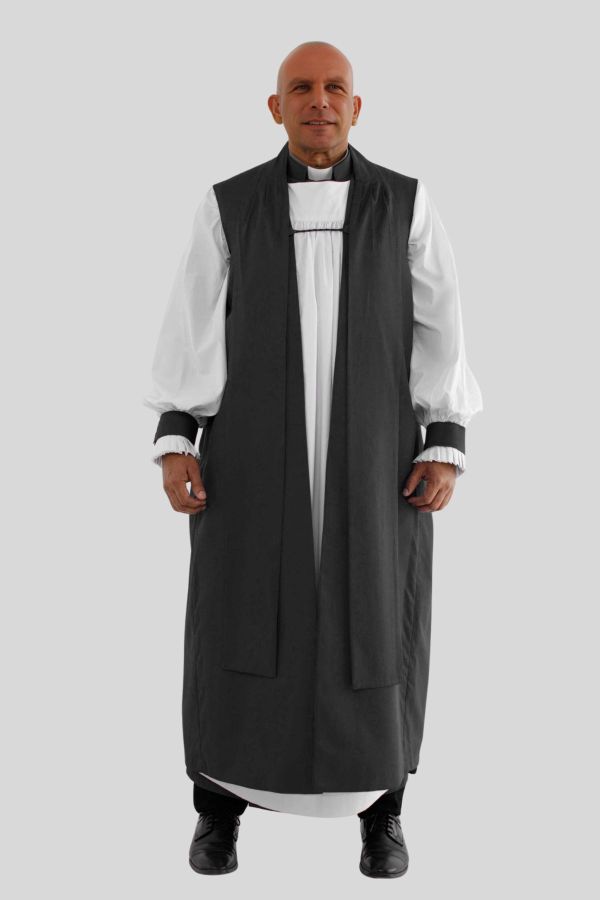
- Chimere with an open front and button-and-loop closure
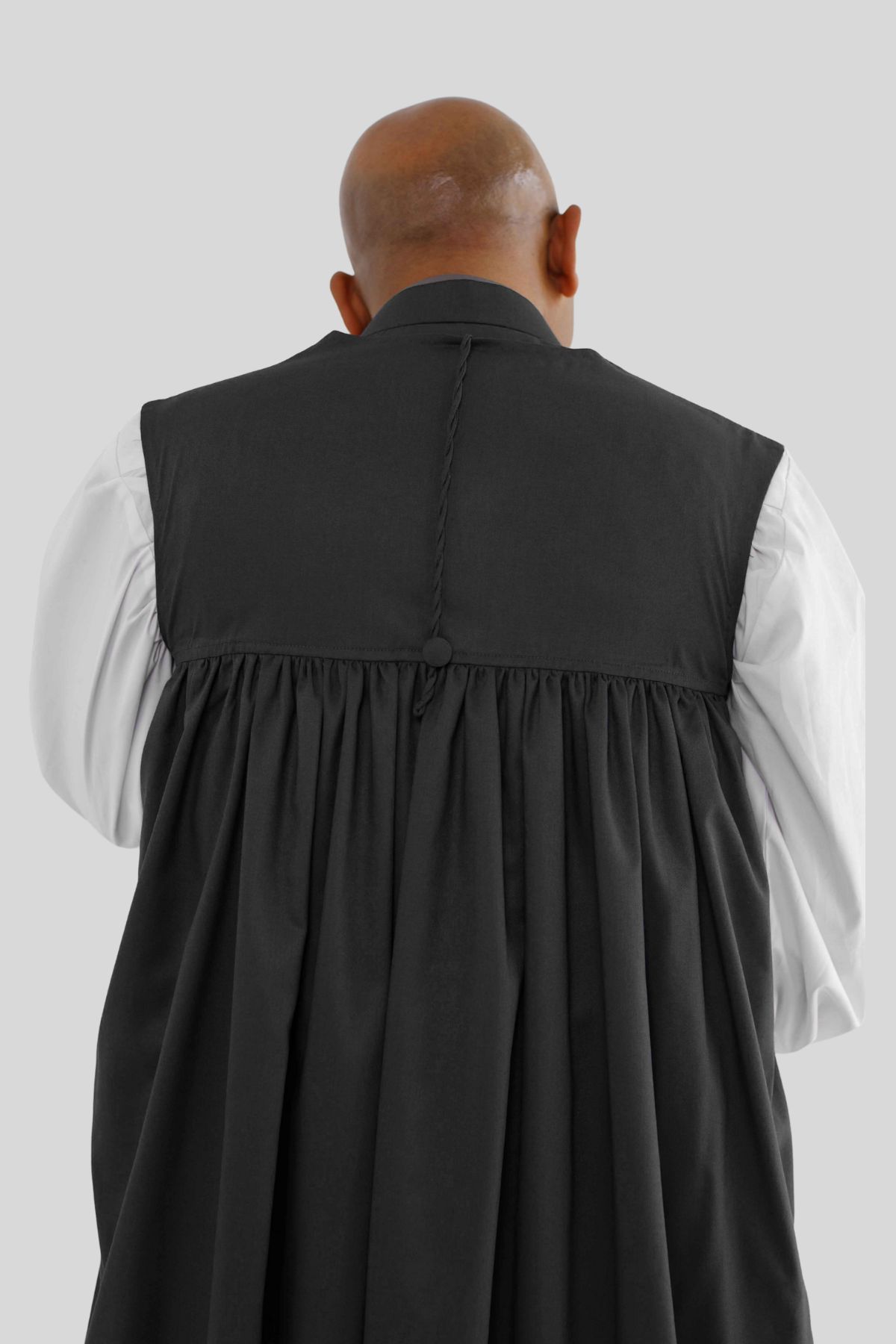
- Gathered back finished with a braid and button for added elegance
- Gathered body and sleeves enhanced by a round-neck yoke
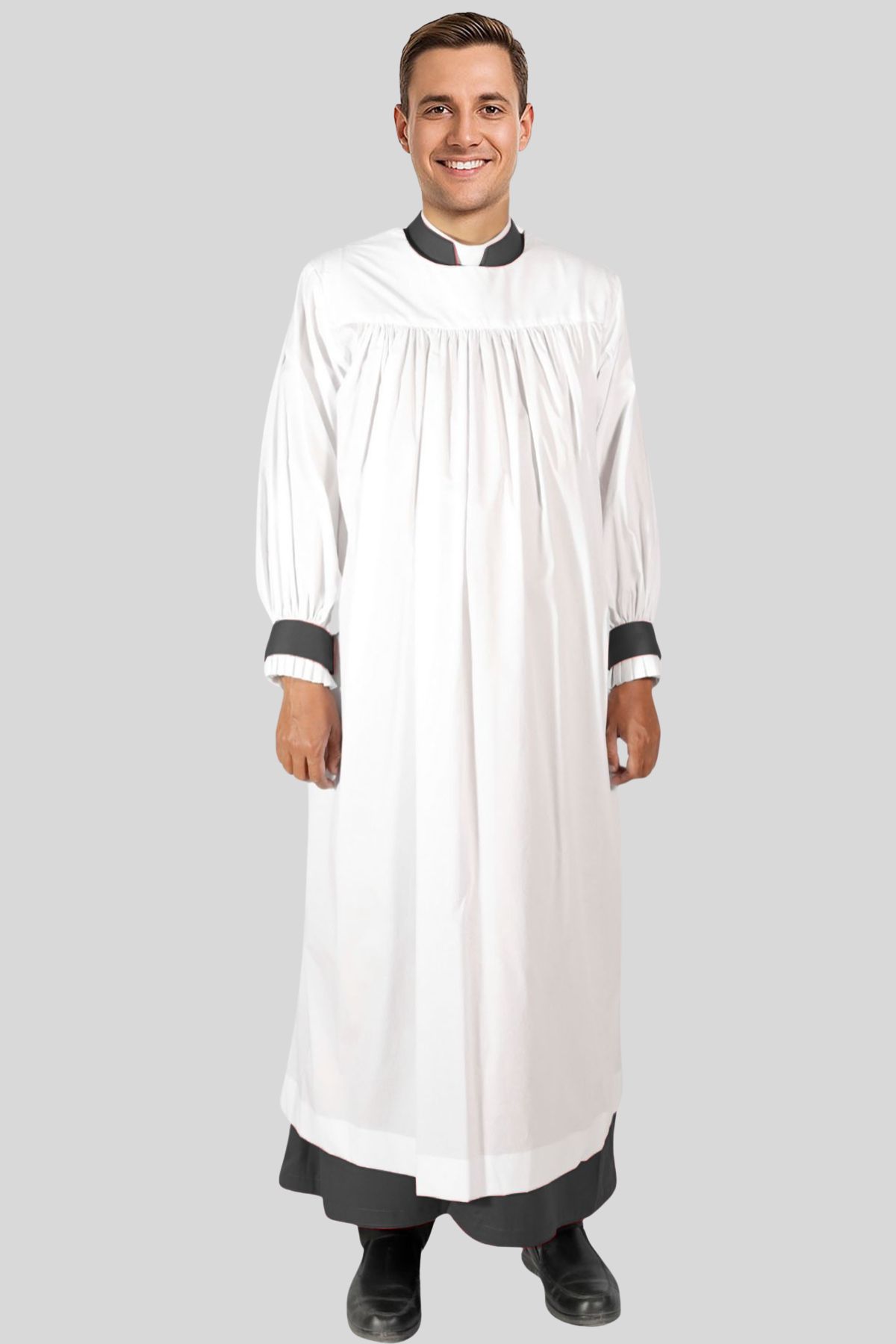
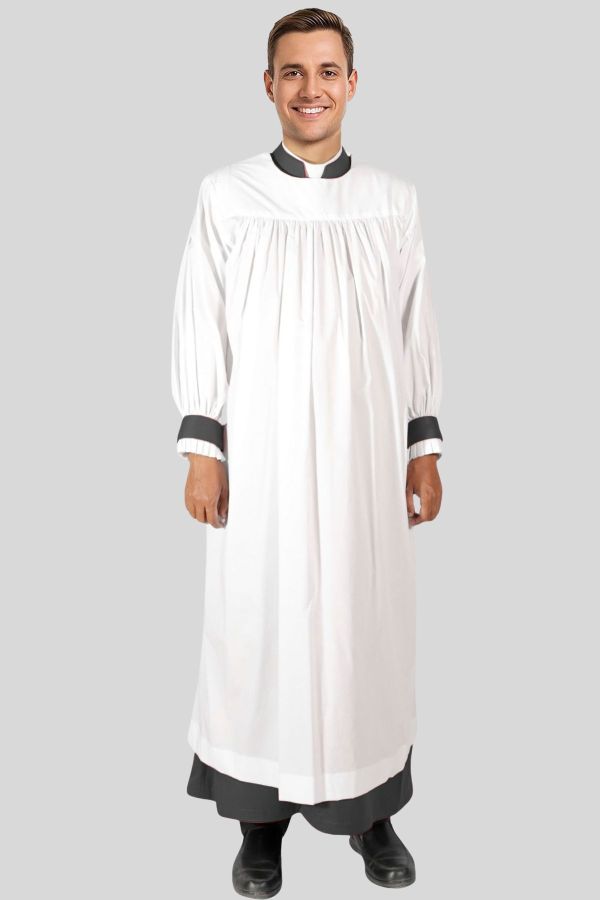
- White rochet is a long gown falling to the lower calf
- White rochet crafted from durable polyester fabric
- Velcro-secured cuffs in matching color.
Classic Black Clergy Chimere Vestment
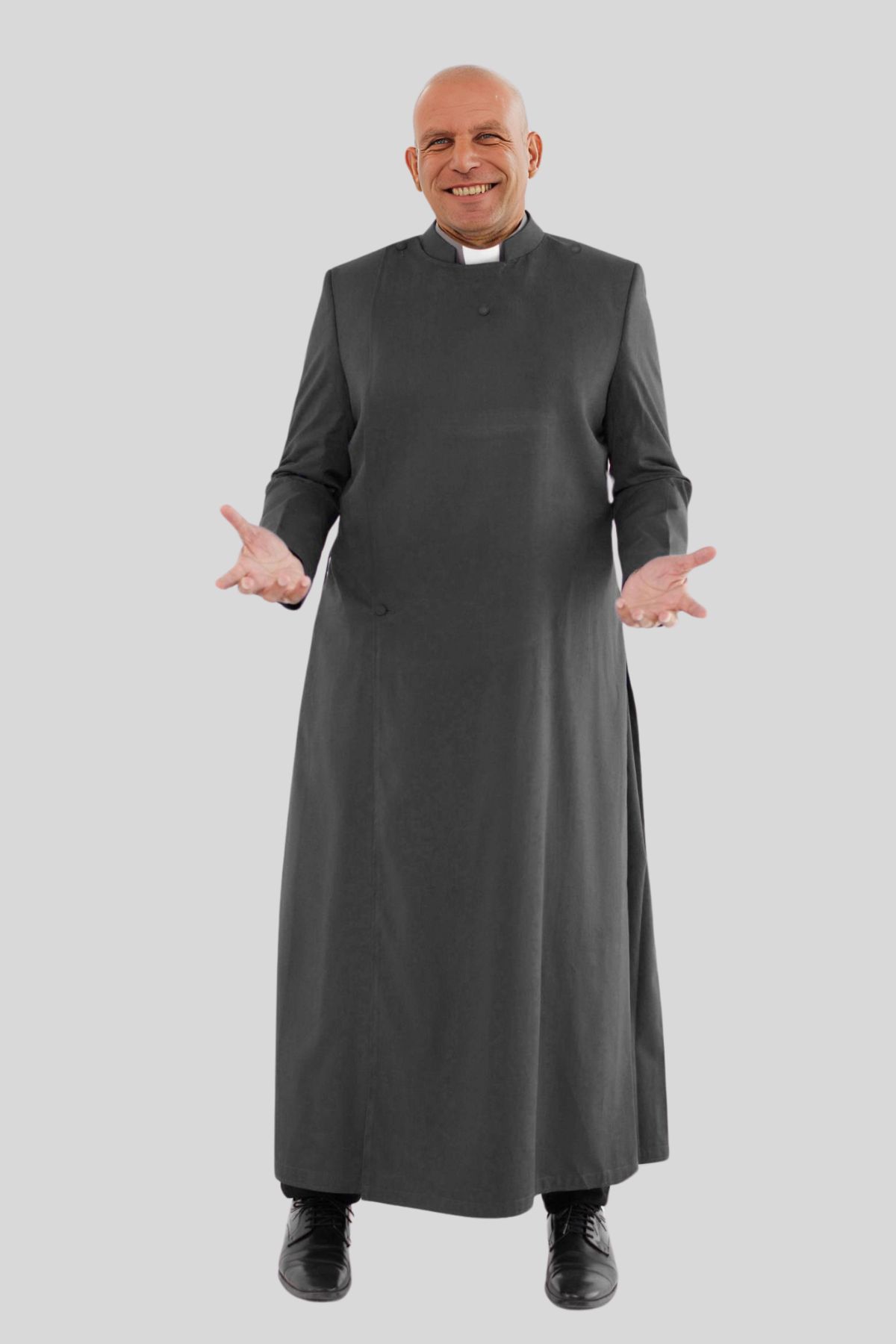
The Classic Black Clergy Chimere Vestment is a distinguished liturgical garment traditionally worn by bishops, ministers, and senior clergy during worship and formal services. Known for its timeless design and symbolic elegance, the black chimere reflects authority, reverence, and tradition within the church.
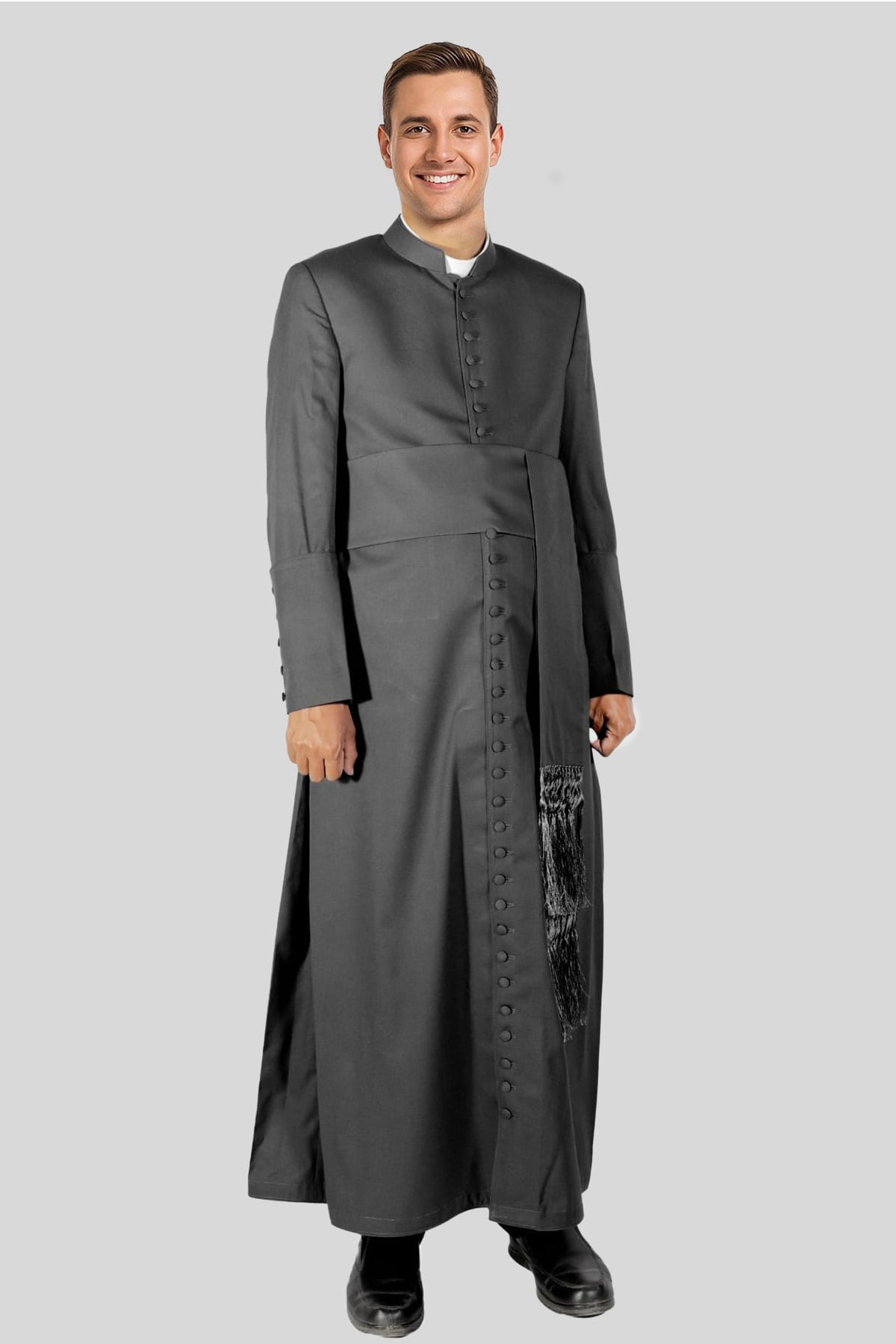
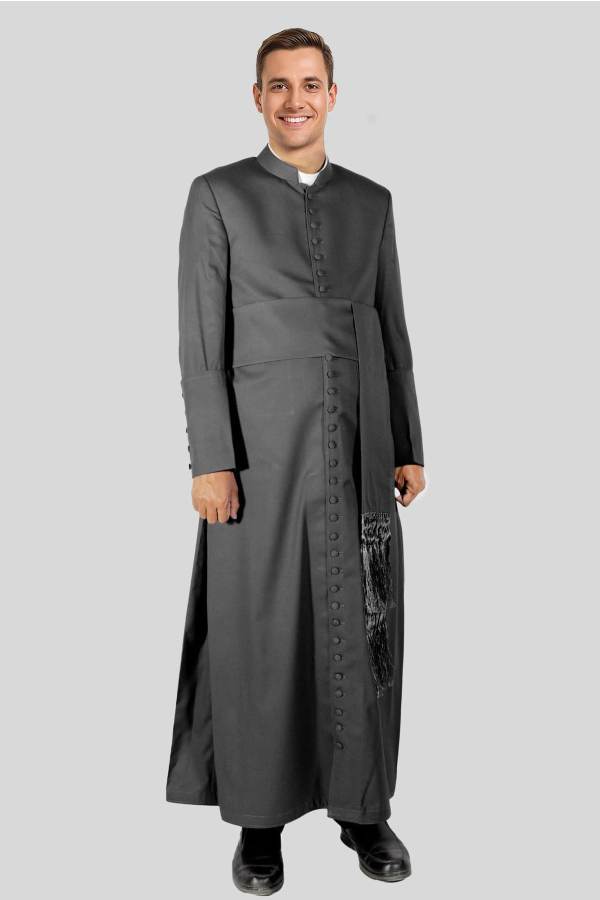
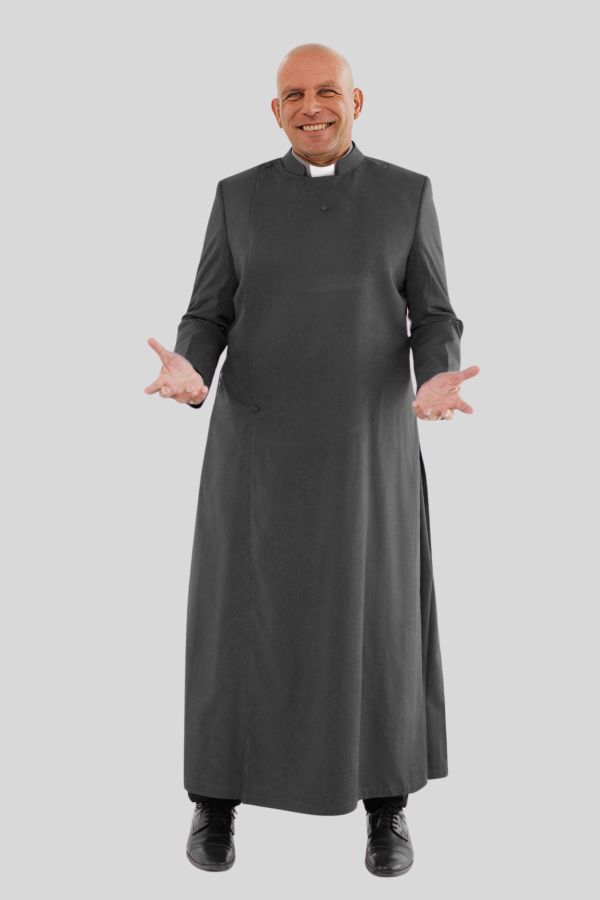
Crafted from premium-quality fabric, this clergy vestment combines durability with comfort, making it ideal for extended ceremonies, processions, and sacred occasions. Its versatile black color not only represents dignity but also pairs seamlessly with other clerical garments such as the rochet or cassock, allowing clergy to present themselves with grace and devotion in every service.
Features of the Classic Black Chimere:
- Premium Fabric – Lightweight, breathable, and durable for long-lasting wear.
- Traditional Open-Front Design – Secured with a button-and-loop closure, offering both ease and authenticity.
- Gathered Back with Braid and Button Detail – Showcasing refined craftsmanship and ceremonial elegance.
- Round-Neck Yoke with Flowing Sleeves – Providing comfort along with a distinguished clerical silhouette.
- Optional White Rochet – Can be added to complete the full traditional ensemble for worship.
- Perfect for Ceremonial Use – Ideal for liturgical services, ordinations, confirmations, and high church occasions.
At Holy Clergy, we take pride in offering traditional clergy vestments that honor sacred traditions while ensuring comfort for today’s worship leaders. Our collection of cassocks, albs, surplices, rochets, and chimeres is trusted worldwide by clergy who value both heritage and quality.
The Classic Black Clergy Chimere is more than just a garment it is a symbol of service, dignity, and devotion, designed to enhance the worship experience while upholding centuries of liturgical tradition.
FREQUENTLY ASKED QUESTIONS
What is the Classic Black Chimere Vestment?
It is a traditional sleeveless chimere in black, worn over a white rochet by bishops, ministers, and senior clergy during worship and formal services. The chimere has an open front secured by a button-and-loop closure, a gathered back finished with braid and a button, and comes with a coordinating tippet. It reflects authority and timeless elegance. Together, these features give a refined appearance that suits both regular and special services.
How does the chimere close at the front?
The chimere has an open front secured with a button-and-loop closure. This traditional fastening holds the two front edges together at the top while allowing the rochet’s white sleeves and body to show. It is simple to fasten and gives the classic open-front look associated with Anglican episcopal choir dress. Every element is chosen to look dignified up close and from the back of the church.
What is the gathered back with braid?
The back of the chimere is gathered into folds and finished with a decorative braid and button. The gathering adds fullness, so the chimere flows gracefully as you move, and the braid gives a refined, ceremonial detail. Together they create the dignified silhouette that distinguishes a well-made chimere. It is the kind of detail that congregations notice during processions and photographs. Such features also make the vestment easier to wear correctly, even when vesting in a hurry.
How long is the white rochet in this set?
The white rochet is a long gown that falls to the lower calf. It is crafted from durable polyester fabric that resists wrinkles and launders easily. Its gathered body and sleeves are attached to a round-neck yoke, and the cuffs fasten with Velcro in a matching color for a neat, coordinated finish. It is a dependable choice for clergy who value both tradition and practicality.
What fabric is used for the chimere and tippet?
Both the chimere and tippet are made from superfine tropical fabric. Tropical fabric is lightweight and breathable, so the chimere stays comfortable over the rochet and cassock during long services. It drapes smoothly and holds its shape, giving a crisp, professional appearance in procession and at the altar. It is a practical choice for clergy who serve in warm climates or busy schedules.
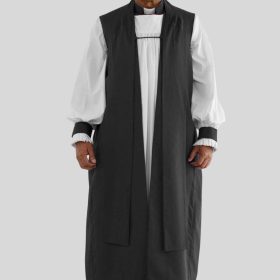 Classic Black Chimere Vestment for Clergy and Bishops

Classic look works with rochet or cassock marks clergy status clearly


Classic look comfortable feel matches expectations fits seamlessly with cassock

Soft material comfortable all day dependable vestment reliable quality