
Have you ever wondered why we call a day that represents sadness, sacrifice, and suffering ‘Good Friday’?” At first, it might seem confusing. How can we call the day that remembers Jesus Christ’s death ‘good’?
But when you understand the deeper meaning behind it, everything starts to make sense.
Good Friday is not just a historical event for Christians, it is a deeply emotional and spiritual day that represents love, sacrifice, forgiveness and hope. It is a day when believers around the world reflect on the crucifixion of Jesus Christ and what it means for humanity.
In this blog, we will break it down in the simplest way possible, so you can truly understand its meaning, traditions and the important role of clergy and their clerical clothing during this sacred day.
What Is Good Friday?
Good friday is a Christian holy day that remembers the crucifixion and death of Jesus Christ. We observe Good Friday during Holy Week, two days before Easter Sunday.”
According to Christian belief, authorities arrested, judged, and crucified Jesus on a cross. This event marks one of the most significant moments in Christianity, representing the sacrifice for humanity’s sins
Even though it is a sorrowful event, Christians do not see it as meaningless suffering. Instead, they believe it was a powerful act of love and redemption.
That’s why we call it ‘Good’ Friday, not because of happiness but because of the goodness that came from sacrifice
Why Do Christians Celebrate Good Friday?
Christians celebrate Good Friday to remember the crucifixion and sacrifice of Jesus Christ, which stands as a central belief in Christianity.
Christians believe that Jesus gave his life to bring forgiveness, salvation, and hope to humanity. So, this day is not about celebration in a joyful sense, it is about deep reflection, prayer and remembering a powerful act of love and sacrifice.
On Good Friday, believers attend church services, listen to the story of the crucifixion, and spend time thinking about themes like forgiveness, suffering, and spiritual renewal. It is a day that prepares Christians for Easter Sunday, which celebrates the resurrection of Jesus and represents victory over death.
In simple terms, Christians celebrate Good Friday to honor sacrifice and grasp the meaning of unconditional love in their faith.
The Meaning Behind Good Friday

The meaning of Good Friday goes much deeper than just a historical event. It is a day that carries powerful spiritual lessons for Christians around the world.
At its core, Good Friday represents the crucifixion of Jesus Christ, believed to be the ultimate act of sacrifice and unconditional love. Christians see this moment not just as suffering, but as a turning point that brought forgiveness and hope to humanity.
The word “meaning” in Good Friday is closely connected to three key ideas::
1. Sacrifice
Jesus’ sacrifice represents unconditional love. It reminds believers that love sometimes requires giving without expecting anything in return.
2. Forgiveness
One of the most important teachings is forgiveness, even in suffering.
3. Hope
Even though the day is about death, it leads to Easter, which represents resurrection and new life. This connection between sadness and hope is what makes Good Friday so powerful.
What is Role of Clergy on Good Friday
The clergy plays a very important and meaningful role on Good Friday, as this day is one of the most solemn events in the Christian calendar. Their role is not just ceremonial—it is deeply spiritual and helps guide believers through reflection, prayer, and remembrance.
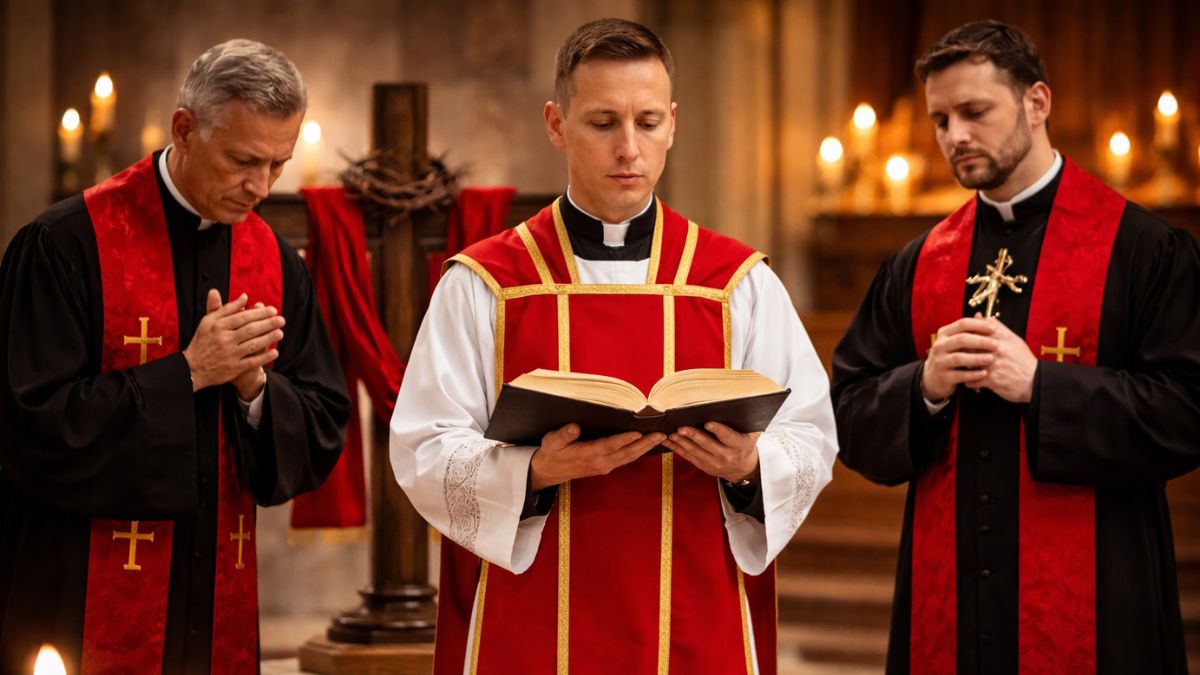
On Good Friday, clergy members lead special church services that focus on the crucifixion of Jesus Christ. They read passages from the Bible, especially the story of the Passion, which describes the suffering and sacrifice of Jesus. Through these readings, they help the congregation understand the deeper meaning of sacrifice, forgiveness, and love.
Another important role of clergy on this day is to guide prayers and moments of silence. Good Friday services are often quiet and serious, and clergy encourage people to reflect on their own lives, seek forgiveness, and connect spiritually.
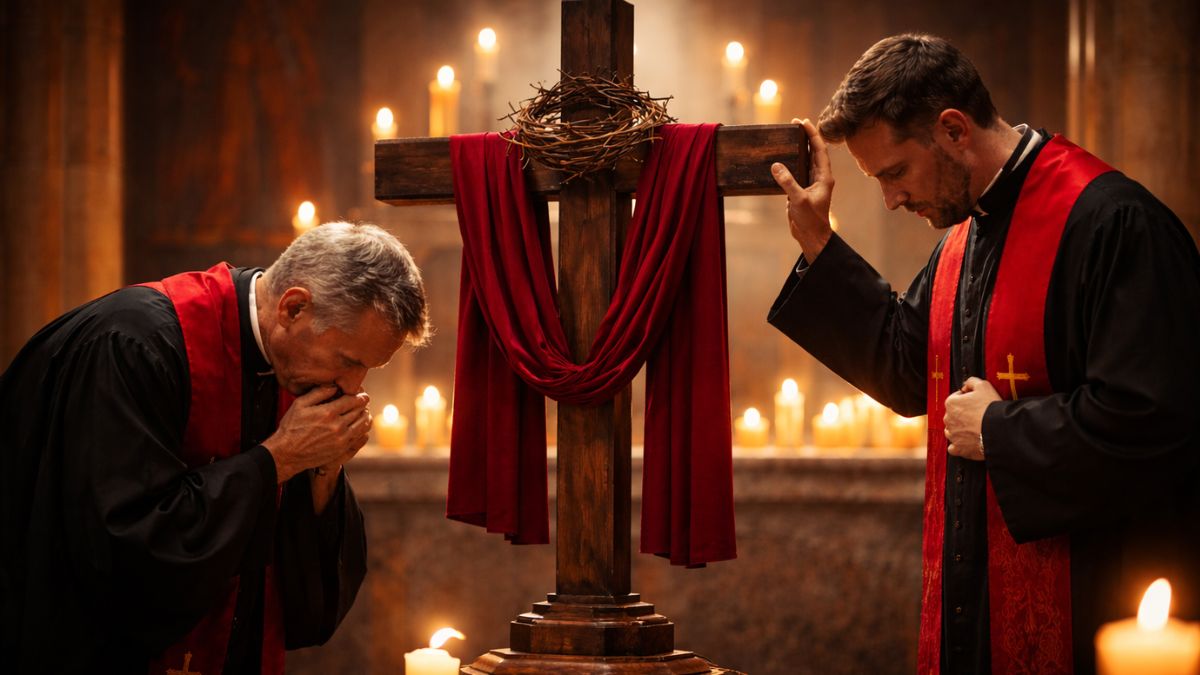
In many traditions, clergy also perform symbolic acts such as prostration, where they lie face down on the floor at the beginning of the service. This act represents humility, sorrow, and complete surrender to God. It sets the tone for the entire service and reminds everyone of the seriousness of the day.
Clergy also lead the Veneration of the Cross, where believers are invited to show respect to the cross as a symbol of Christ’s sacrifice. This is a powerful moment that brings the community together in shared faith and reflection.
Additionally, their role includes providing comfort and spiritual guidance to the congregation. Good Friday can be an emotional day, and clergy help people process grief, hope, and faith in a meaningful way.
Overall, the role of clergy on Good Friday is to lead, guide, and support believers as they remember the sacrifice of Jesus Christ. They create an atmosphere of prayer, reflection, and spiritual connection that helps people understand the true meaning of this sacred day.
Clerical Clothing on Good Friday
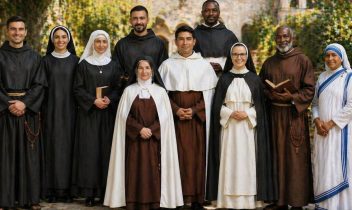
Clerical clothing, also known as vestments, is an important part of Christian tradition, and it carries symbolic meaning. On Good Friday, the clerical clothing reflects the sorrowful and serious nature of the day.
Most commonly, clergy wear black vestments on Good Friday. Black is traditionally associated with mourning, grief, and solemnity. It represents the sadness of the crucifixion and the emotional weight of the day.
In some churches, clergy may also wear red vestments. Red symbolizes the blood of Christ and the sacrifice made during the crucifixion. It highlights the theme of love and sacrifice in a powerful visual way.
The clerical clothing is usually simple, without bright decorations or luxury designs. This simplicity is intentional. It reflects humility, seriousness, and respect for the meaning of the day.
When believers see clergy attire in dark or red clergy robes, it instantly sets the emotional tone for the service. It helps people understand that this is not a day of celebration, but a day of reflection and remembrance.
When you see clergy in dark or red robes, it immediately sets the mood of reflection and solemnity.
Good Friday Traditions and Observances
Clergy Clothing on Good Friday
One of the prominent traditions surrounding Good Friday is the role of clergy in leading worship services. On this day, many clergy members wear distinct clerical clothing that signifies their special role within the church. Clerical attire, which includes robes, collars and vestments, is often more somber and plain during Good Friday services. The focus is on humility, sacrifice, and reverence. The clergy’s clothing reflects the seriousness of the occasion and serves to set apart the day of mourning from the rest of the year.
During Good Friday services, you may notice the use of specific vestments. For example, clergy often wear black or purple robes, colors that symbolize mourning and penance. The clergy may also remove certain accessories, such as elaborate liturgical items, to emphasize the solemn nature of the day.
Church Services and Rituals
Good Friday services vary by denomination, but they often include the reading of the Passion narrative from the Gospels, hymns, prayers, and moments of reflection. One of the most notable rituals is the veneration of the cross. Many Christians participate in the tradition of coming forward to bow or kiss the cross as a sign of respect and gratitude for Christ’s sacrifice.
In some traditions, churches hold the “Stations of the Cross,” a practice that commemorates specific events from Jesus’ journey to the cross. These stations, typically depicted as images or statues placed around the church, serve as a visual reminder of Jesus’ suffering and the significance of his sacrifice.
Fasting and Prayer
Fasting and prayer are also common practices on Good Friday. Christians use this time to focus on their spiritual lives, offering prayers for forgiveness, reflection on Christ’s passion, and a deeper connection to God. The fast is meant to mirror the suffering that Jesus endured in the lead-up to his crucifixion, providing a personal act of solidarity with his sacrifice.
Real-Life Examples: Good Friday Around the World
Across the globe, Good Friday is observed in many different ways, reflecting the diversity of Christian traditions. In the Philippines, for example, some devout individuals reenact the Passion of Christ, even going so far as to have themselves crucified. This extreme form of devotion is meant to imitate the suffering of Christ and to express gratitude for his sacrifice.
In Italy, the Pope leads a solemn Good Friday service in St. Peter’s Basilica, where thousands gather to hear the reading of the Passion and witness the veneration of the cross. In Spain, elaborate processions are held, with people carrying statues of Jesus and Mary through the streets, depicting scenes from the crucifixion.
In other parts of the world, quieter observances are the norm, with people attending church services, reflecting on their faith, and spending time in prayer.
Difference Between Good Friday and Easter
Although Good Friday and Easter are connected, they are very different in meaning and atmosphere.
| Good Friday | Easter |
| Remembers death of Jesus | Celebrates resurrection of Jesus |
| Sad and reflective | Joyful and celebratory |
| Dark clothing (black/red) | Bright clothing (white/gold) |
| Focus on sacrifice | Focus on hope |
| Quiet services | Energetic celebrations |
Good Friday is about sorrow, while Easter is about joy. Together, they tell a complete story of sacrifice and hope.
Without Good Friday, Easter would not have meaning. Without Easter, Good Friday would feel incomplete.
FAQs About Good Friday
Why does Good Friday fall only on Friday?
Good Friday always falls on a Friday because it marks the day when Jesus Christ was crucified, which happened on a Friday according to Christian belief. The date changes every year, but it is always observed on the Friday before Easter Sunday.
Why do we celebrate Good Friday and Easter?
Good Friday and Easter are celebrated to remember the most important events in Christianity. Good Friday marks the crucifixion and death of Jesus Christ, showing sacrifice and forgiveness. Easter celebrates His resurrection from the dead, representing hope, new life, and victory over death.
When and who started Good Friday and Easter Sunday?
Good Friday and Easter were not started by one specific person. They began with early Christians in the first centuries after Jesus Christ. These followers started observing these days to remember His death and resurrection, and over time they became important traditions in the Christian church.
Why do priests lay on the floor on Good Friday?
On Good Friday, some priests lie flat on the floor during church services in a practice called prostration. This act shows deep humility, respect, and sorrow for the suffering and death of Jesus Christ. It is a powerful symbol of submission to God and mourning.
Conclusion
When you truly understand Good friday, you realize it is not just about sadness or history. It is about a deeper message of love, sacrifice, and hope.
It reminds people that even in moments of pain, something meaningful can come out of it.And through the guidance of clergy and the symbolism of clerical clothing, this message becomes even more powerful and easier to understand.




Recent Comments