
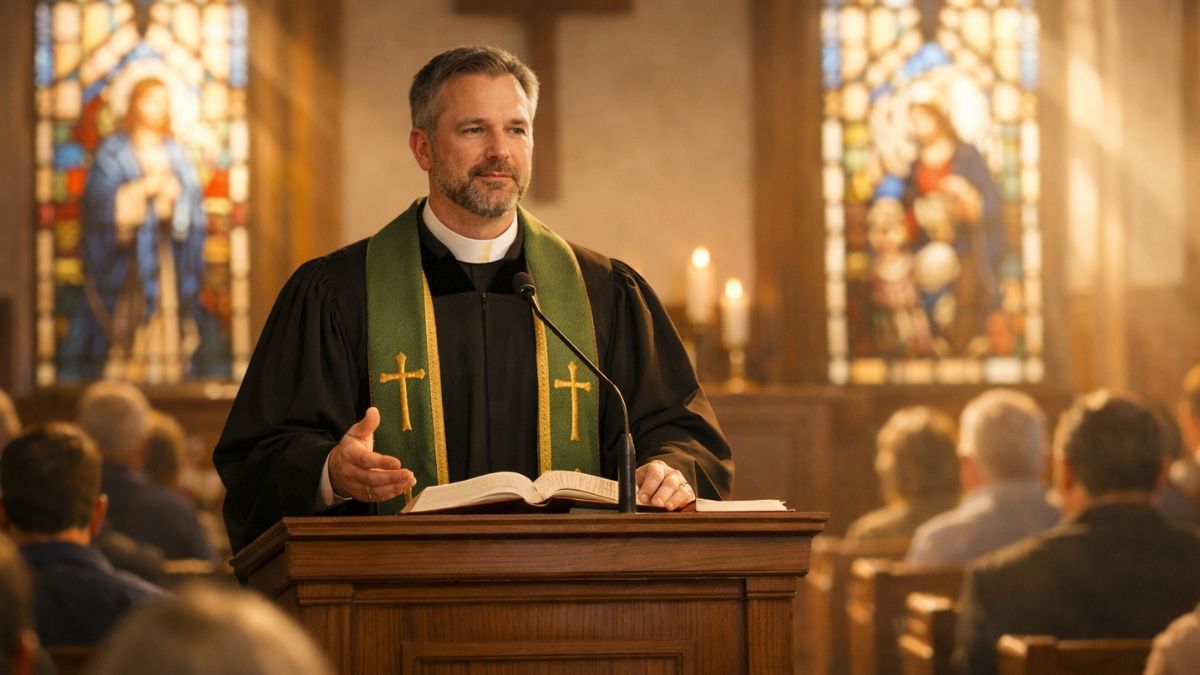
When people walk into a church service for the first time, many things capture their attention like the music, the message, the people. But one of the most noticeable aspects of any worship service is what the pastor is wearing.
A pastor’s attire carries meaning, tradition, and authority, it reflects their faith, the sacredness of worship and the role they hold within the church community. In this article, we’ll explore what the pastor wears when leading services.
Who Is a Pastor and What Do They Do?
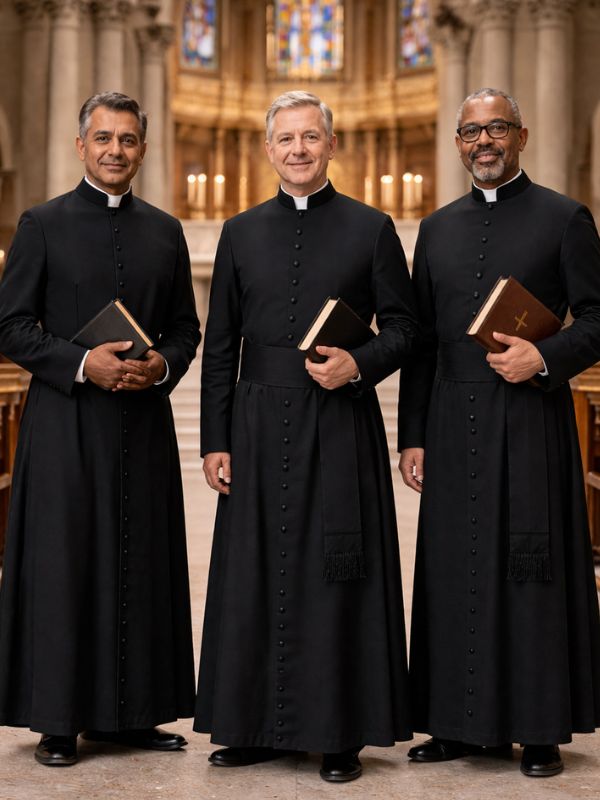
A pastor is a spiritual leader who guides a Christian community. The word pastor comes from a Latin word meaning “shepherd,” and that meaning is significant. Just like a shepherd cares for sheep , guiding, protecting and tending to their needs, a pastor cares for the spiritual life of their congregation.
A Pastor’s Core Duties
Pastors have many responsibilities in their daily work. These duties often include:
- Preaching sermons during weekly worship services.
- Teaching biblical truth in clear and encouraging ways.
- Providing spiritual care and counseling to people facing life’s challenges.
- Visiting the sick, elderly, or home‑bound members of the church.
- Leading ceremonies such as baptisms, weddings, and funerals.
- Praying for individuals and the community.
- Supporting outreach and community engagement.
In simple terms, pastors are leaders, teachers, counselors, and servants. Their work isn’t limited to Sundays , it continues throughout the week in personal meetings, prayer, study and service.
How Pastors Work: A Typical Day in Their Life
Understanding how pastors work helps explain why their clothing matters. A typical day might include early morning prayer and study, followed by meetings with church staff, counseling sessions, outreach planning, and preparation for upcoming messages.
Most pastors spend hours studying scripture, reflecting on its meaning, and finding ways to connect its timeless truth to everyday life. They pray not just for themselves but for the people they serve.
On Sundays, especially when they are preaching, pastors step into a visible role in front of the congregation. This is where pastors wear comes into focus. What they choose to wear is not random but rooted in history, respect, tradition, and a desire to honor God and the church.
Understanding the Importance of Pastoral Clothing
Clothing in a church setting is not just about style; it’s about symbolism. Pastors and priests wear specific garments to represent their spiritual role, their dedication to God and their responsibility to guide the congregation.
Historically, religious clothing has deep roots. In the Bible, the high priest clothes were described in detail, symbolizing holiness, purity and connection with God. Today, while the exact garments may vary, the principle remains the same clothing communicates respect for the church, the congregation, and the sacredness of worship.
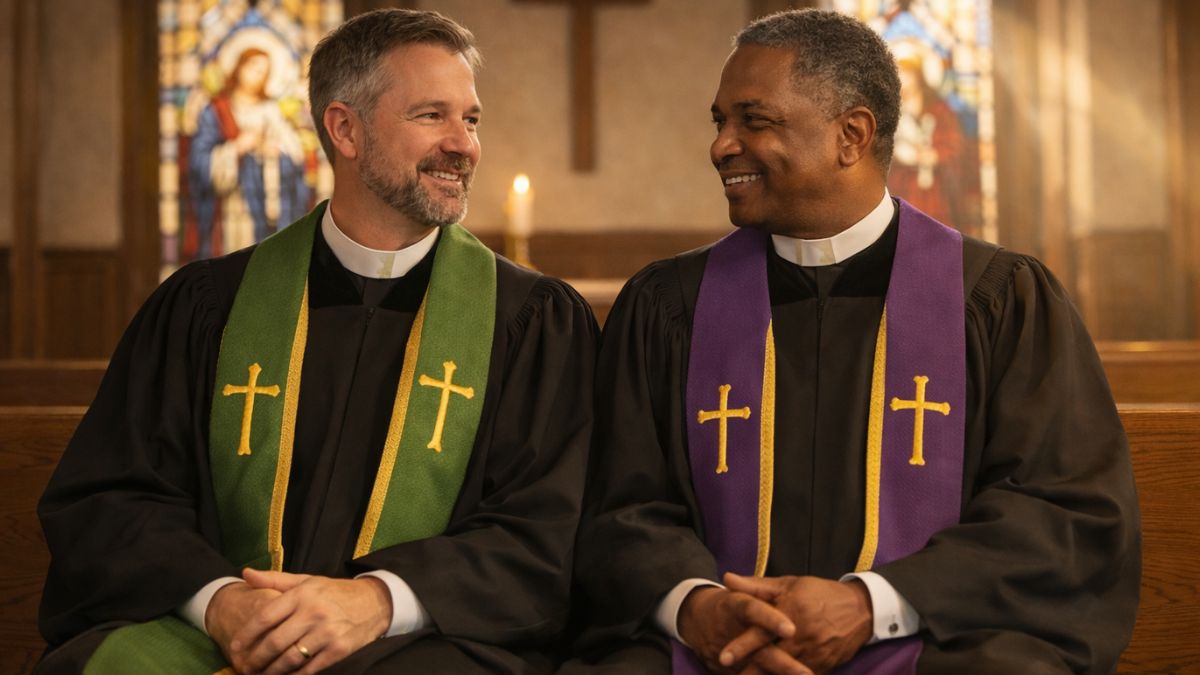
For example, a pastor might choose to wear a robe, a stole, or even specific Lutheran vestments. Each piece has its meaning. The robe, often black or white, signifies humility and separation from worldly distractions. The stole, a long scarf-like garment, symbolizes the yoke of Christ and the responsibilities of ministry.
Understanding what pastors wear helps both the congregation and the pastor themselves recognize the sacredness of the role. Pastoral clothing is a blend of history, faith, and practicality, making it a key aspect of Christian worship.
Common Types of Pastors’ Clothing
When thinking about pastors wear, it’s essential to understand the different garments typically worn during services. Here are some common ones:
- Robes and Gowns
Robes are a standard choice for pastors across many denominations. They are often simple, flowing garments that allow freedom of movement while maintaining a formal appearance. Black robes are common for many Protestant churches, while white robes may be worn during special services. - Stoles and Sashes
A stole is a decorative piece of cloth worn around the neck and hanging down the front. Stoles often indicate the pastor’s rank or the season in the liturgical calendar. Different colors represent different celebrations or solemnities. For example, purple is often worn during Lent, while red may be used on Pentecost. - Chasubles and Lutheran Vestments
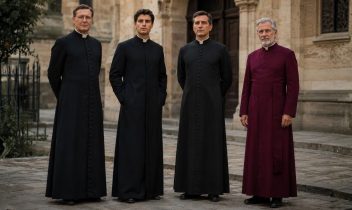
In denominations like Catholic, Anglican, or Lutheran churches, pastors might wear Christian vestments such as chasubles or Lutheran vestments. These garments are ornate and traditionally colored to match the liturgical calendar. - Clerical Collars
The clerical collar is a small but recognizable symbol of pastoral authority. Often seen on ministers of various denominations, it’s a simple white strip that signifies the pastor’s dedication and service to God. - Priest Clothes Variations
While pastors and priests sometimes have similar garments, priest clothes may include additional pieces like robes with embroidered patterns, cinctures (belts), and amices (neck cloths) depending on tradition.
By understanding these common types of pastors’ clothing, it becomes clear that what they wear is never arbitrary, it is a visible reflection of faith, tradition, and service.
Do Pastors Have to Wear Special Clothes?
A common question people ask is, “Can priests wear normal clothes?” The answer depends on the denomination and the setting.
In some Protestant churches, pastors may wear suits or business casual attire, especially for informal services or community events. However, during formal worship, special garments like robes, stoles, or vestments are preferred to maintain reverence.
In contrast, Catholic, Orthodox, and Anglican traditions emphasize more formal priest clothes. These garments are considered part of the sacred office and are worn during Mass, sacraments, and other official ceremonies.
The choice of clothing also affects how the congregation perceives the pastor. A robe or stole can create an aura of authority and solemnity, helping the congregation focus on worship rather than casual appearances.
Ultimately, the key is respect for the tradition and the sacred nature of the service. Even if pastors occasionally wear normal clothes, ceremonial garments are usually reserved for times when the liturgy calls for it.
How Pastoral Fashion Has Evolved
Pastoral fashion has changed significantly over the centuries. In the early church, Christian leaders often wore clothing similar to everyday citizens but with subtle distinctions to indicate spiritual authority.
As the church formalized its rituals, clothes worn by priests became more distinct. In medieval Europe, robes became longer, collars more elaborate, and fabrics richer. This evolution wasn’t just about fashion, it was about reinforcing the church’s authority and distinguishing clergy from laity.
Today, there’s a balance between tradition and modernity. Many pastors maintain traditional robes and stoles for formal services, while embracing simpler clothing for casual gatherings. This flexibility allows pastors to connect with the congregation while respecting centuries-old traditions.
Pastoral fashion also reflects cultural influences. In some African churches, for example, pastors may wear brightly colored robes, while in Scandinavian Lutheran churches, the attire may remain minimalistic.
Choosing the Right Clothes for Preaching
Selecting what to wear while preaching involves more than picking a color or style. Pastors must consider:
- Denominational Guidelines – Different churches have specific expectations regarding robes, collars, and vestments.
- Occasion – Special ceremonies like baptisms, weddings, or Easter services may require more formal or festive attire.
- Comfort and Practicality – Pastors often stand and move for long periods, so clothing should allow ease of movement.
- Symbolism – Colors and accessories often convey deeper meanings, aligning with the liturgical calendar or specific messages.
For instance, a pastor wearing a purple stole during Advent emphasizes preparation and penitence, while a red stole on Pentecost highlights the Holy Spirit’s fire and presence. Choosing clothes thoughtfully enhances the sermon’s impact and deepens the congregation’s spiritual experience.
The Bible and Pastoral Clothing: What Scripture Says
Some people wonder if clothing for pastors is just tradition, or if it has roots in the Bible. In the Old Testament, we find detailed descriptions of the high priest clothes Bible references. These garments included specific fabrics, colors, and symbols that communicated holiness, authority, and separation for sacred service.
While modern pastors do not wear exactly the same garments, the principle remains: clothing can represent the sacred calling of spiritual leadership. Pastors wear garments to honor God’s presence, reflect their responsibility, and help the congregation enter into a spirit of worship.
Can Pastors or Priests Wear Normal Clothes?
One question many people ask is: “Can priests wear normal clothes?”
Yes, it depends on the context. Pastors and priests may wear everyday clothing when they are not leading worship services. For outreach, community work, counseling sessions, or daily activities, many clergy choose comfortable and casual attire.
However, during worship services , especially when they are preaching or administering sacraments, pastors often choose garments that reflect tradition, authority, and respect for the setting.
In some traditions, pastors may even choose a middle ground: wearing a simple suit or nice shirt and tie. This is especially common in churches where tradition is less formal but respect for worship remains high.
Pastoral Fashion & Its Role in Modern Church Life
The world of pastoral clothing or pastoral fashion has evolved over time. It is influenced by culture, church tradition, and the preferences of individual pastors. But even with change, the core principles remain the same:
- Clothing reflects the sacred nature of worship
- Clothing connects with historical tradition
- Clothing communicates pastoral authority
- Clothing helps distinguish the pastor’s role in the congregation
In some places, pastors wear traditional robes with stoles and vestments. In others, they may wear simple business attire with a clerical collar. Regardless of the style, the focus is always on honoring God, serving the congregation, and creating a worship atmosphere rooted in respect and meaning.
Choosing the Right Clothes to Preach In
For pastors themselves, choosing what to wear while preaching involves careful thought. They consider factors like:
- Denominational expectations (formal vs. informal)
- Congregational culture (traditional vs. contemporary)
- The occasion (regular service vs. special event)
- Practical comfort (ease of movement, weather, etc.)
For example, during a wedding, many pastors may choose a more formal robe or vestment. During a casual community worship night, they may wear a simple shirt and collar.
What remains constant is the desire to reflect the sacredness of the message being shared.
Frequently Asked Questions
1. Why do pastors wear robes?
Robes provide a traditional and respectful appearance that focuses attention on the message rather than personal fashion.
2. Do all Christian pastors wear the same clothes?
No. Pastoral clothing varies by denomination, culture, and preference. Some wear formal vestments, others wear simple robes or collars.
3. What are priests clothes called?
They are commonly referred to as vestments, robes, stoles, albs, and other attire worn during worship services.
4. Is it okay for pastors to wear normal clothes?
Yes , especially outside of formal worship settings. But during preaching, many choose traditional attire out of respect and tradition.
5. What do pastors wear in special seasons like Easter or Christmas?
Pastors often choose specific colors (white for Easter, purple for Lent, red for Pentecost) in their vestments to reflect seasonal meaning.
Final Thoughts:
What pastors wear is more than just clothing, it is a symbol of calling, tradition, respect, and service. Whether through simple robes, colorful stoles, or traditional Christian vestments, the garments of pastoral ministry communicate meaning.
By understanding the reasoning behind pastoral clothing, we gain a deeper appreciation for the role of pastors, the traditions of the church, and the way faith is lived out each time a pastor steps behind the pulpit.
In the end, clothing is not just about appearance, it’s about honoring God, serving the congregation and carrying forward a rich heritage of faith.


Recent Comments