
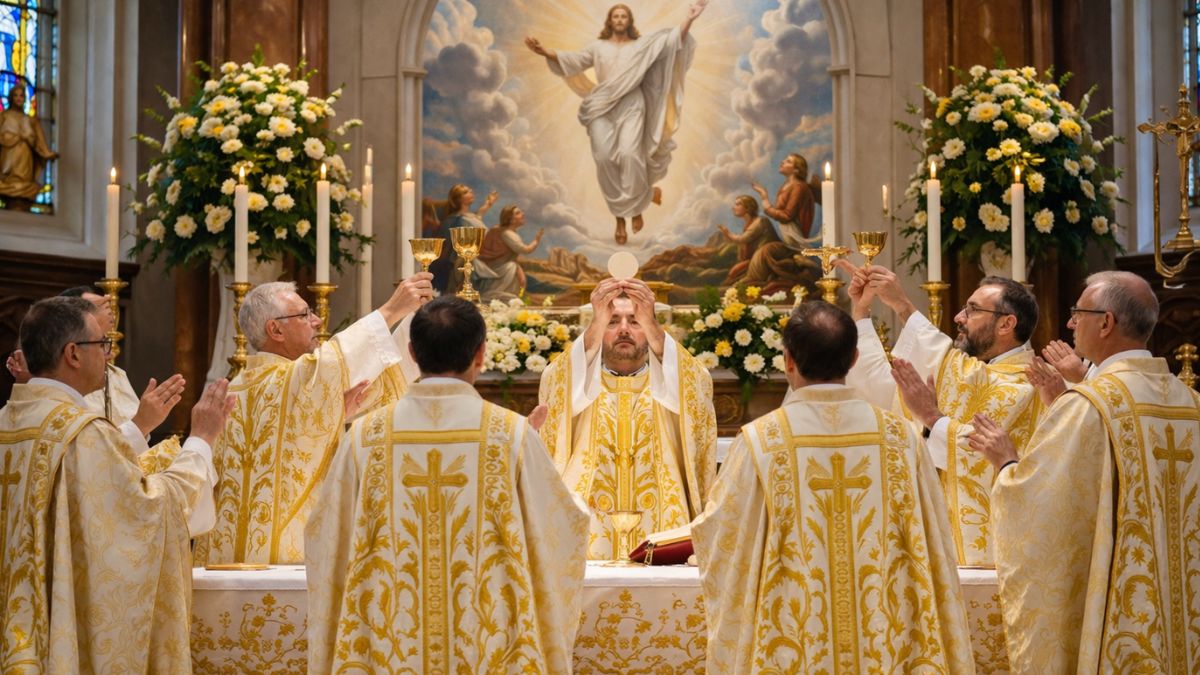
Priest attire holds deep meaning in the Christian faith. These special garments reflect the priest’s spiritual role and the sacred nature of church services. On Ascension Day, a key Christian holiday, priest clothing plays a major role in honoring this event. This article explores why priest attire is so significant on Ascension Day and how it connects to long-standing church traditions passed down through generations.
The Meaning Behind Priest Attire
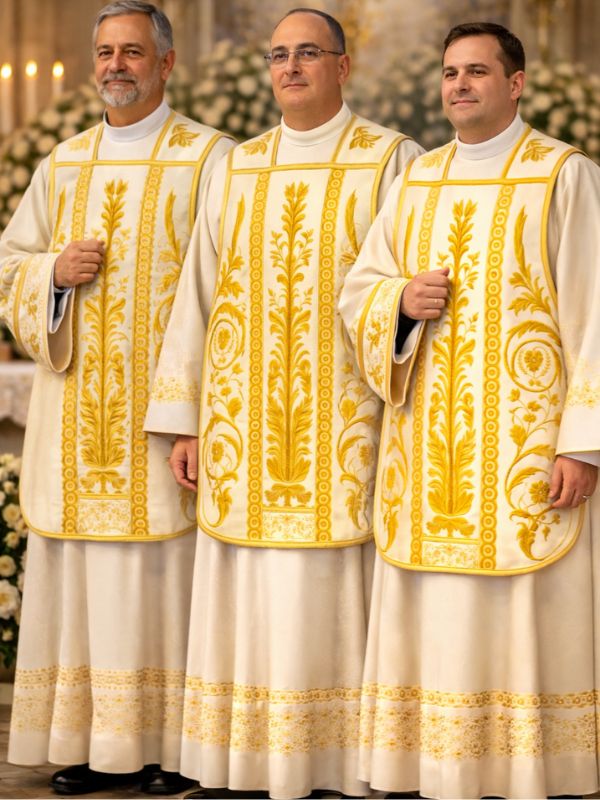
Priest clothing is more than ceremonial. It serves as a symbol of the priest’s role and helps the church community connect to God. On Ascension Day, the clothes priests wear symbolize Christ’s ascent into Heaven. They remind us of our spiritual connection to the divine.
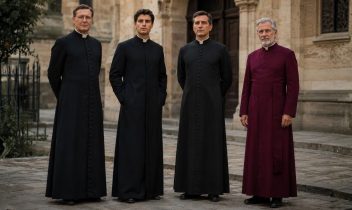
Priest attire includes several key pieces, each with its own meaning. The cassock is a long black robe, representing humility and service. On Ascension Day, priests usually wear a chasuble, a colorful garment worn over the cassock. The chasuble often features beautiful designs, such as images of Christ’s ascension or gold to symbolize God’s glory.
How Priest Clothing Has Changed Over Time
Priest clothing dates back to the early days of Christianity. Early priests wore simple tunics, similar to those worn by Jesus and His disciples. Over time, these simple garments became more elaborate. During the Middle Ages, the church added beauty and meaning to priest clothing to highlight the importance of the clergy.
On Ascension Day, wearing priest attire that has stood the test of time connects the present church with the early Christian church. The colors and designs used on Ascension Day remind us of our long-standing faith. For instance, gold and white fabrics are often used on Ascension Day to symbolize purity and divine light.
Key Pieces of Priest Attire for Ascension Day
On Ascension Day, priests wear several key pieces of attire to honor the occasion:
- Cassock: The black cassock is a symbol of humility and commitment to God. Priests wear it beneath the chasuble and other garments.
- Chasuble: The chasuble is the colorful outer garment worn during services. It often features designs that reflect the day’s theme, such as images of angels or clouds to symbolize Christ’s ascent into Heaven.
- Stole: The stole is worn around the neck and symbolizes the priest’s authority and role in leading the church. On Ascension Day, the stole often features crosses or other religious symbols.
- Maniple: The maniple is a small cloth worn over the arm. It symbolizes the priest’s sorrow and willingness to serve. While it’s less common today, it still reminds us of Christ’s suffering and the priest’s commitment to his spiritual duties.
These garments are not only practical but also rich in symbolism. Their colors and designs help bring the meaning of Ascension Day to life.
Why Colors and Fabrics Matter in Priest Clothing
Priest clothing changes with the seasons in the church’s liturgical calendar. On Ascension Day, priests wear white or gold.
- White represents purity and resurrection, both central themes of Ascension Day.
- Gold represents the glory of God. It is used on special feast days, like Ascension Day, to celebrate the magnificence of Christ’s ascension.
The fabric used in priest attire also holds meaning. Silk and Tropical are common materials due to their luxurious appearance. These fabrics symbolize the beauty and richness of God’s kingdom. The gold thread woven into garments represents divine light shining through Christ’s ascension.
By wearing these colors and fabrics, priests visually tell the story of the Ascension. The clothing helps the congregation focus on Christ’s glorious ascent to Heaven.
Tradition and Continuity in Priest Clothing
Priest attire plays a key role in maintaining the long traditions of the church. On Ascension Day, the vestments worn by priests remind us that we are part of a continuous story of faith. These garments connect us to the early church and the rich traditions of the past.
Even though some aspects of priest attire have changed over the years, their essence remains the same. These garments still help create dignity and holiness during worship. They remind us of the timeless significance of the church’s mission.
Priest Attire in Today’s Worship
While priest attire on Ascension Day remains unchanged in meaning, modern churches often update the designs. Some have altered priest attire to reflect contemporary styles, but the symbolism remains constant. Whether in a large cathedral or a small church, the vestments worn by priests still serve as a visible reminder of the sacred nature of the day.
The priest’s attire on Ascension Day symbolizes his role in mediating between God and the congregation. It reminds everyone of Christ’s glorious ascension and connects us to the spiritual meaning of the event.
Why Priest Clothing Still Matters
In conclusion, priest clothing on Ascension Day goes beyond ceremonial dress. It is a profound expression of faith, tradition, and respect for the sacred. The colors, fabrics, and designs used in priest attire all help tell the story of Christ’s ascension. These garments reflect the importance of this holy day.
By wearing these traditional garments, the church continues to honor its connection to the past. Priest attire helps ensure the message of Ascension Day is passed down through generations. In a world that is always changing, priest clothing serves as a constant reminder of the enduring truths of the Christian faith.
Frequently Asked Questions (FAQs)
1. What is Ascension Day?
Ascension Day is a Christian holiday that celebrates the moment when Jesus ascended into Heaven. It happens 40 days after Easter and marks the end of His time on earth after His resurrection.
2. Why is Ascension 40 Days After Easter?
Ascension Day occurs 40 days after Easter because it marks the time Jesus spent on earth after His resurrection. During these 40 days, He taught His disciples before ascending to Heaven. This period is described in the Bible in the book of Acts.
3. Can Priests Wear Clerical Attire Outside?
Yes, priests can wear their clerical attire outside the church for various duties, such as visiting the sick or attending events. However, they are expected to wear it respectfully and appropriately.
4. Why Do Priests Wear Special Clothing When Leading a Celebration of a Liturgy?
Priests wear special clothing during liturgical celebrations to emphasize their sacred role in leading worship. These garments remind both the priest and the congregation of the importance and spiritual meaning of the service.
5. What Are Priests’ Clothes Called?
Priests’ clothes are called vestments. These include garments like the cassock, chasuble, stole, and alb, each serving a specific purpose and symbolizing different aspects of the priest’s role.
6. Can Priests Wear Normal Clothes?
Priests can wear normal clothes when they are not performing religious duties. However, when leading services, they are expected to wear liturgical vestments to reflect their sacred role in the church.
Conclusion
In summary, priest clothing on Ascension Day is more than just a ceremonial outfit; it is a symbol that connects the priest to centuries of tradition and spiritual significance. The vestments worn on this day carry deep meaning and remind us of the sacred moment when Jesus ascended into Heaven. The colors, fabrics, and designs used in priest attire highlight the glory of God and the holiness of the occasion.
As the church continues to celebrate Ascension Day, the tradition of wearing these garments remains an essential way to honor the event. Priest clothing serves as a powerful reminder of the enduring connection between past and present traditions. Whether in a grand cathedral or a humble parish church, these garments bring the sacred to life, inspire reverence, and strengthen the church’s connection to its rich history. By continuing to wear these traditional vestments, the church ensures that the message of Ascension Day remains meaningful for future generations. It’s a lasting reminder of the glory of God and the eternal significance of Christ’s ascension.



Recent Comments