
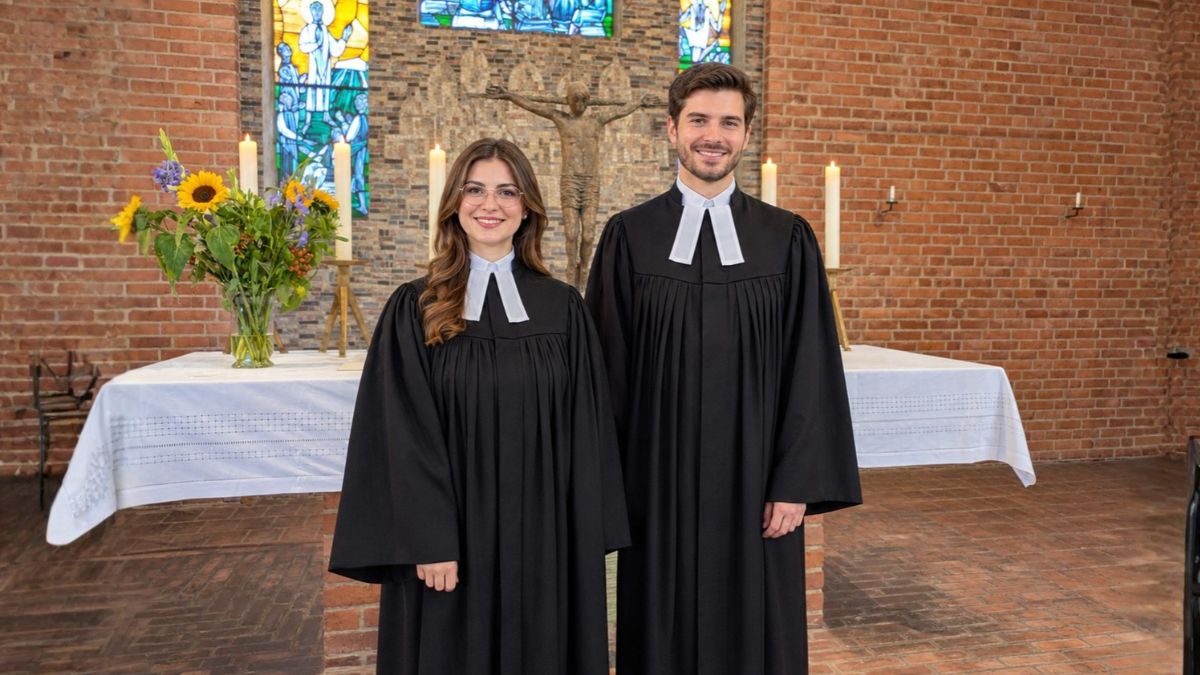
Clergy robesBuyer’s guideNov 18
Best Clergy Robes for Pastors:
A Complete Buying Guide
For most pastors, the best clergy robe is a black pulpit robe (Geneva-style) in a breathable, wrinkle-resistant fabric, cut to your exact measurements. If your church follows Anglican, Episcopal or other liturgical traditions, a cassock worn with a surplice and stole will usually serve you better. The right choice depends on your tradition, your climate and the services you lead most.
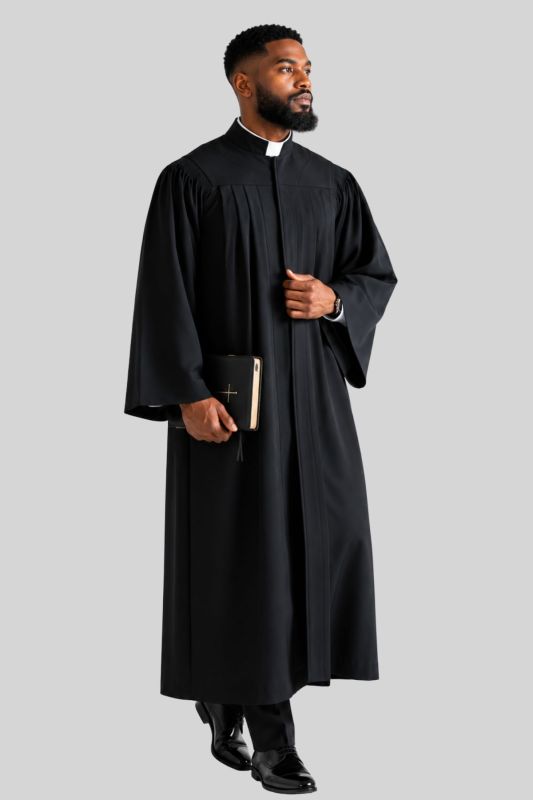
A clergy robe does a practical job every Sunday. It marks the person leading worship, keeps attention on the Word rather than on the preacher’s clothes, and gives a pastor the same dignified look week after week. Choosing one is harder than it looks, because “clergy robe” covers several different garments with different histories and uses.
This guide to the best clergy robes for pastors explains those differences in plain terms. It compares the main clergy robe styles side by side and shows which fit which traditions and occasions. It also covers fabric, fit and care, so you can buy once and wear the robe for years.
What Are Clergy Robes?
Clergy robes are the outer garments pastors and ministers wear to lead worship. In everyday speech the term covers pulpit robes, cassocks and some liturgical garments. In practice, they fall into three groups, and keeping them separate makes shopping much easier:
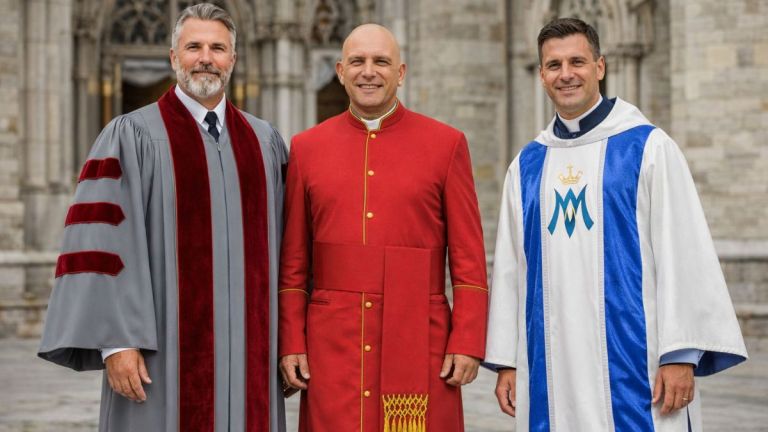
- Pulpit robes (preaching robes, Geneva gowns). These are full, open-sleeved black gowns that grew out of academic dress. Protestant reformers took up the scholar’s black gown in place of medieval priestly vestments. Calvin and Zwingli preached in it, and the style became known as the Geneva gown. Today it is the typical preaching garment in Presbyterian, Reformed and Congregational churches, and it is common in many Methodist, Baptist and AME congregations.
- Cassocks. A cassock is a close-fitting, ankle-length garment. Historically it was the everyday street dress of clergy. Strictly speaking, it is clerical dress rather than a vestment. Other garments, such as a surplice or alb, are often worn over it.
- Liturgical vestments. Albs, stoles, chasubles, surplices and chimeres are worn for specific acts of worship, especially the sacraments. In many traditions, the stole marks the wearer as ordained.
So a pastor in a Baptist church and an Episcopal priest may both say they wear a robe on Sunday, yet the garments can differ completely. Your denomination’s own guidance, or your bishop or senior pastor, is the final word on what you should wear.
Best Types of Clergy Robes for Pastors
| Robe style | Best for | Traditions where it is common | Key features |
|---|---|---|---|
| Traditional black clergy robe | An everyday Sunday robe that suits almost any setting | Most Protestant churches | Plain black; pleated front or back; sometimes trim or piping |
| Pulpit robe / Geneva gown | Preaching and leading worship | Presbyterian, Reformed, Methodist, Baptist, AME, non-denominational | Full bell sleeves; velvet front panels; optional doctoral bars |
| Cassock | A daily or liturgical base layer | Catholic, Anglican, Episcopal, Lutheran, Orthodox | Close fit, ankle length; Roman (single-breasted) or Anglican (double-breasted) |
| Academic and choir-style robe | Ordinations, graduations, conferences | Many Protestant traditions | Doctoral bars, hood or stole; formal cut |
| Anglican choir dress | Morning and Evening Prayer, non-Eucharistic services | Anglican, Episcopal | Cassock + surplice + tippet, sometimes an academic hood |
| Modern clergy robe | Contemporary services and warm climates | Non-denominational, evangelical, Pentecostal | Lighter fabric, colored trim, simpler cut |
1. Traditional Black Clergy Robes
Black is the most versatile color in clergy apparel. It works for ordinary Sundays and funerals, and it pairs with any stole color through the church year. If you can only buy one robe, a well-made black clergy robe is the safest choice.
Look for clean tailoring, a hem that falls evenly, and pleats that keep their shape. Small details such as piping or colored trim can add character without making the robe less suitable for solemn services. Browse black and colored clergy robes for men to compare trims and pleat styles.
2. Clergy Cassocks
A clergy cassock is fitted through the body and falls to the ankle. There are two main styles:
- Roman cassock: single-breasted, buttoned down the center front, traditionally with 33 buttons. See the Black Roman Cassock with 33 Buttons.
- Anglican cassock: double-breasted, fastening at the shoulder and waist rather than down the center. See the Formal Black Anglican Cassock.
Color often follows rank or role. Black is standard for priests and ministers, and purple is associated with bishops. Some traditions use other colors for particular offices, so check local custom before buying anything other than black. For a deeper look, read the simple guide to understanding cassocks, or browse clergy cassocks for men.
3. Preaching Robes
The preaching robe, also called a pulpit robe or Geneva gown, is the garment most pastors picture when they hear “pastor robes.” It is loose and full-sleeved, often with velvet panels down the front. Ministers who hold an earned doctorate may wear three velvet bars on each sleeve, called doctoral bars. Many pastors pair a preaching robe with preaching bands or a stole.
A classic example is the Emmanuel Black Geneva Pulpit Robe. For a doctoral look, see the Shadowline Black Pulpit Robe with Doctoral Bars. For more on panels, pleats and sleeve styles, read our preacher robe guide.
4. Academic and Choir-Style Clergy Robes
Academic-style robes take their formal structure from university dress: a fuller cut, doctoral bars, and sometimes a hood in the colors of the wearer’s degree. Pastors often wear them for ordinations, installations, graduations and denominational gatherings.
Choir robes are a separate garment. They are usually lighter and more colorful, and they are made for choir members rather than clergy. If your congregation wants the choir and the pastor to look coordinated, choose the pastor’s robe first and match the choir’s colors to it.
5. Anglican Clergy Robes
Anglican and Episcopal clergy usually build their dress in layers rather than wearing one robe:
- Choir dress: a cassock, a white surplice, and a black tippet, sometimes with an academic hood. It is traditional for Morning and Evening Prayer.
- Eucharistic vestments: an alb, a stole in the liturgical color of the season, and often a chasuble.
- Bishops’ dress: a rochet and a chimere, usually worn over a purple cassock.
If you serve in this tradition, a well-fitted black Anglican cassock is the foundation for everything else.
6. Modern Clergy Robes
Many contemporary and non-denominational churches want something that reads as pastoral without feeling heavy or formal. Modern clergy robes keep the long silhouette but use lighter fabric, simpler lines and colored trim. Royal blue, white and robes with contrasting trim are popular, such as the Royal Blue Clergy Robe with White Trim. They suit warm sanctuaries and services where the pastor moves around a lot.
How to Choose the Best Clergy Robe
Use these points as a checklist before you order.
- Denomination and liturgical tradition. Start here. Liturgical churches may expect a cassock with layered vestments, while many Protestant churches expect a pulpit robe. When in doubt, ask your bishop, district superintendent or senior pastor.
- Design and style. Decide between a plain robe and one with velvet panels, piping or doctoral bars. Doctoral bars are traditionally reserved for ministers with an earned doctorate.
- Fabric quality. Look for a fabric that holds its shape, resists wrinkling and drapes evenly. Fabric is covered in more detail below.
- Comfort and breathability. You may wear the robe for two hours or more under stage lights. Breathability matters as much as appearance.
- Climate and season. Choose lighter weaves for hot climates or non-air-conditioned sanctuaries. Consider a wool blend if your church is cold in winter.
- Fit and sizing. The shoulders should sit at your natural shoulder line, and the hem should clear the floor in your service shoes.
- Length and sleeve design. Bell sleeves are traditional on pulpit robes, and fitted sleeves are traditional on cassocks. Make sure the sleeves don’t cover your hands when you hold a Bible.
- Buttons and finishing. Check whether the robe fastens with a zip, buttons or hooks. Look at the pleats, lining, and pockets for notes or a phone.
- Budget. A durable robe you wear every week usually costs less per wear than a cheaper one you replace.
- Ready-made or custom. This depends on your build and your timeline, and it is compared in its own section below.
Best Fabrics for Clergy Robes
| Fabric | Strengths | Watch for | Best for |
|---|---|---|---|
| Polyester blends | Durable, wrinkle-resistant, holds color, easy care | Less breathable than natural fibers | Weekly wear, travel |
| Tetron | Polyester-based suiting, usually crisp and wrinkle-resistant | Quality varies by mill; check the actual fiber content | Budget-friendly everyday robes |
| Cotton blends (poly-cotton) | Breathable, comfortable, wash-and-wear | Can crease more than pure synthetics | Shirts, albs, warm climates |
| Lightweight suiting (such as tropical suiting) | Light, breathable, tailored drape, resists wrinkling | Needs gentle care | Robes and cassocks in warm climates |
| Premium fabrics (wool blends, brocade, velvet trim) | Rich drape and texture, formal appearance | Heavier; often needs dry cleaning | Ordinations, Easter, Christmas, formal events |
“Tetron” is a trade name for polyester fiber. Sellers often use it loosely for polyester or polyester-cotton suiting, so always check the actual fiber content on the label or product page.
At Clergy Wear Shop, many cassocks and robes are made in tropical suiting, which is light and breathable. Fabrics vary by style, so check each product page. Our clergy shirts are made in a 65% polyester / 35% cotton blend. The fabric guide and care tips explains each fabric in detail.
Clergy Robes for Different Occasions
Attire rules vary widely between denominations, and even between congregations in the same denomination. Treat this table as a starting point, not a rule.
| Occasion | Common choices | Notes |
|---|---|---|
| Sunday worship | Black pulpit robe, or cassock with surplice | Add a stole in the season’s liturgical color |
| Preaching and sermons | Pulpit robe / Geneva gown, with bands or a stole | Doctoral bars only if you hold an earned doctorate |
| Baptisms | White robe or alb, or a black robe with a white stole | Many pastors favor white for its baptismal symbolism |
| Weddings | Black or white robe with a white or festive stole | Follow the couple’s and the church’s preferences |
| Funerals | Black robe or cassock | Some traditions use white for resurrection hope |
| Ordination ceremonies | Formal or academic robe; vestments where required | The ordaining body often specifies dress |
| Holy Communion | Alb and stole in liturgical churches; robe and stole elsewhere | Some traditions add a chasuble |
| Christmas and Easter | White or ivory robe, or festive vestments | See why clergy wear white on Easter |
| Conferences and formal events | Academic or formal pulpit robe, or cassock | Check the event’s dress guidance |
For seasonal color choices, see what clergy wear during Advent.
Clergy Robes for Men and Women
Clergy robes for men and women share the same traditions but are cut differently. Women’s robes and cassocks are shaped for the bust, waist and hips, and they often have a narrower shoulder line. They come in the same range of styles, from classic black robes to cassocks and robes with colored trim.
Whatever your build, aim for a robe that lets you raise your arms, bend and kneel comfortably, and that fully covers the clothes beneath. Modesty preferences differ from person to person and church to church, so choose the neckline, sleeve length and fullness that suit you and your setting.
Browse clergy robes for women, clergy cassocks for women, or the Black Clergy Robe for Women for a versatile first robe.
How to Find the Right Size
A poorly fitted robe looks careless, however good the fabric. Measure carefully before you order:
- Height. Stand against a wall in your usual service shoes.
- Chest. Measure the fullest part, under the arms and across the shoulder blades. Measure twice and use the larger number.
- Shoulder width. Measure across the back, from the outer edge of one shoulder to the other.
- Sleeve length. Bend your elbow to a right angle, then measure from the center of the back neckline, over the shoulder and elbow, to the wrist bone.
- Back length. Measure from the prominent bone at the base of your neck down to where you want the hem. Most clergy robes finish about one to two inches off the floor.
- Waist, hips and neck. These matter most for cassocks and for women’s cuts.
Always check the size chart on the individual product page, because cut and finished length vary between styles. Follow the full measuring guide before ordering.
Ready-Made vs. Custom Clergy Robes
| Ready-made | Custom / made-to-measure | |
|---|---|---|
| Availability | Ships sooner | Needs extra production time |
| Fit | Standard sizes; good for average proportions | Cut to your measurements; best for tall, petite, broad or long-armed builds |
| Personalization | Choose from set colors and trims | Choice of length, fabric, color and details |
| Price | Usually lower | Usually higher |
| Returns | Can usually be cancelled quickly before dispatch; check the store’s return terms | Usually returnable only if faulty or made incorrectly; measure carefully |
If you need a robe for a fixed date such as an ordination, order well ahead, especially for custom work. Check current production and delivery times in the shipping policy, and see the return policy before ordering a custom piece.
How to Care for Clergy Robes
Good care keeps a robe looking new for years. Always follow the sewn-in care label first. For tailored suiting fabrics, the usual guidance is:
- Washing: Dry cleaning is preferred. If you wash at home, use cold water, a gentle cycle and mild detergent, and wash the robe alone.
- Drying: Hang it on a sturdy, shaped hanger. Avoid the tumble dryer.
- Ironing: Use a low-to-medium synthetic setting with a pressing cloth, and steam lightly rather than pressing hard. Take extra care around velvet panels.
- Wrinkle prevention: Hang the robe straight after each service, and give pleats room in the closet.
- Storage: Use a broad, padded hanger inside a breathable garment bag, away from direct sunlight.
- Stains: Blot and pre-treat. Never use chlorine bleach on colored or trimmed robes.
For fabric-by-fabric instructions, see the fabric guide and care tips.
Where to Buy Clergy Robes for Pastors
Clergy Wear Shop is an online clergy apparel store that makes robes, cassocks and church garments for pastors, ministers, priests and bishops. The range includes:
- Clergy robes for men, including Geneva and pulpit robes with velvet panels and doctoral bars
- Clergy robes for women
- Clergy cassocks for men, in Roman and Anglican styles
- Clergy stoles, surplices, albs and chimeres
- Clergy shirts for days you are not robed
Many garments can be made to your measurements. For practical advice on ordering online, read where to order clergy robes online.
Choosing the Best Clergy Robe for Your Ministry
The best clergy robes for pastors match three things: the tradition you serve, the services you lead most often, and your body and climate. For most Protestant pastors, that means a black pulpit robe in a breathable fabric, tailored to fit. For liturgical clergy, it means a good cassock as the foundation for surplice, alb and stole. Measure carefully, choose fabric for your climate, and you will have a robe that serves you well for years.
Frequently Asked Questions
What are the best clergy robes for pastors?
For most Protestant pastors, the best clergy robe is a black pulpit robe or Geneva gown in a breathable, wrinkle-resistant fabric, fitted to your measurements. Pastors in Anglican, Episcopal or other liturgical churches are usually better served by a well-made cassock worn with a surplice or alb and a stole.
What type of robe should a pastor wear during Sunday service?
It depends on your tradition. In many Baptist, Methodist, Presbyterian and non-denominational churches, a pastor wears a pulpit robe, often with a stole in the season’s color. In liturgical churches, clergy usually wear a cassock with a surplice, or an alb with a stole. Your denomination or senior leadership is the final guide.
Why do pastors wear black clergy robes?
Black robes go back to the Reformation, when Protestant reformers preached in the black academic gown of the scholar instead of medieval vestments. Black is still preferred because it looks dignified, suits every season and occasion, pairs with any stole color, and keeps the focus on the message rather than the preacher.
What is the difference between a clergy robe and a cassock?
A clergy robe, or pulpit robe, is a loose, full-sleeved gown worn mainly for preaching and leading worship. A cassock is a close-fitting, ankle-length garment with fitted sleeves, buttoned down the front (Roman style) or double-breasted (Anglican style). It is often worn under a surplice or alb.
Can female pastors wear clergy robes?
Yes. Female pastors wear clergy robes, pulpit robes and cassocks in many denominations. Women’s robes are cut for the bust, waist and hips, and they usually have a narrower shoulder line, so they fit better than a man’s robe sized down. Check your own denomination’s guidance on clergy attire.
What fabric is best for clergy robes?
The best fabric balances breathability, wrinkle resistance and drape. Lightweight suiting fabrics such as tropical suiting suit warm climates and long services. Polyester blends are durable and easy to care for. Wool blends give a heavier, more formal drape for cold climates and special occasions.
How should a pastor choose the correct robe size?
Measure your height, chest, shoulder width, sleeve length and back length while wearing your service shoes. The hem should finish about one to two inches off the floor. Compare your numbers with the size chart on the specific product page, and choose a custom size if you fall between sizes.
Where can I buy clergy robes online?
You can buy clergy robes online from specialist clergy apparel stores such as Clergy Wear Shop at clergywearshop.com. It offers pulpit robes, cassocks, stoles, surplices and other church garments for men and women, with made-to-measure options.

Our tailors and customer team write these guides from the questions pastors ask us every week. Questions about your order? Contact us or WhatsApp +1 (929) 330-6666.
Robes and cassocks for pastors
The six garments featured above, each available in standard sizes or made to your measurements.
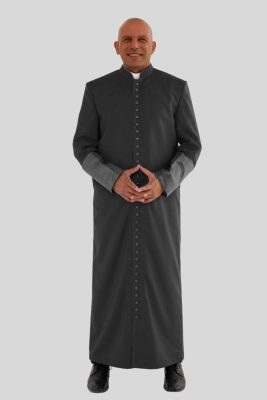 Elegant Black Roman Cassock 33 Buttons with Satin Cuffs & PipingFrom $219.99
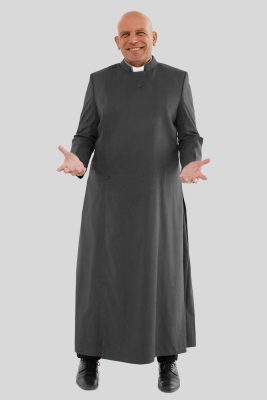 Formal Black Anglican Cassock for Male PriestsFrom $199.99
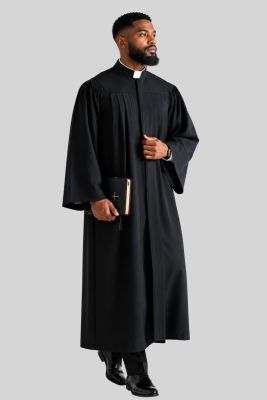 Emmanuel Black Geneva Pulpit Robe for Men$329.99
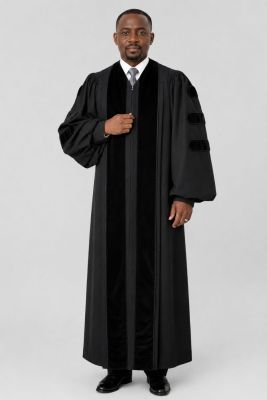 Shadowline Black Pulpit Robe with Velvet Panels & Doctoral Bars$329.98
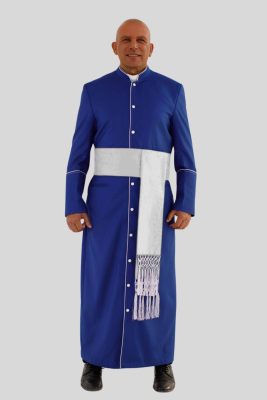 Royal Blue Clergy Robe with White Trim$269.99
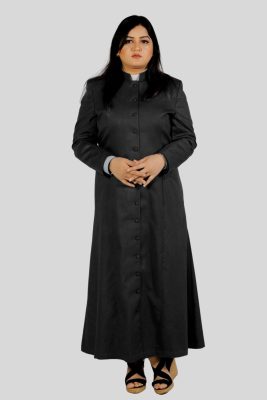 Black Clergy Robe for Women with Classic AppealFrom $179.99
More on clergy robes
 Blog Where to Order Clergy Robes OnlineWhat to check before you order clergy robes online, from sizing to delivery times.Read article →
 Blog How to Choose the Right Preacher Robe for Your MinistryPulpit robe styles, what velvet panels and doctoral bars mean, and how to choose.Read article →
 Blog What Pastors Should Wear While PreachingFrom robes to clergy shirts: what pastors wear in the pulpit, and why.Read article →




Recent Comments