

Have you ever stood in front of your church to preach and felt uncomfortable in your robe?
Maybe the robe was too heavy. Maybe it was too long. Maybe it felt hot during a long sermon. Some ministers even say their robe distracts them while preaching.
Many pastors buy a preaching robe quickly without thinking about comfort, fabric, or style. Later they realize the robe does not work well during real ministry work. Long services, weddings, funerals, and church events require clothing that feels comfortable and looks respectful.
A preaching robe is an important part of ministry. It shows respect for the church, the congregation, and the message being shared. When a minister wears the right robe, it helps create a calm and respectful atmosphere during worship. But choosing the right robe is not always easy.
There are many options today. You can find traditional minister robes, modern pulpit robes, and robes designed to match choir robes. Some robes are expensive, while others are affordable minister robes designed for smaller churches.
In this guide, we will explain everything in simple words. You will learn how to choose the best preaching robe for your ministry, how to avoid common mistakes, and how to find a robe that feels comfortable, looks professional, and fits your church tradition.
Why Ministers Wear Preaching Robes
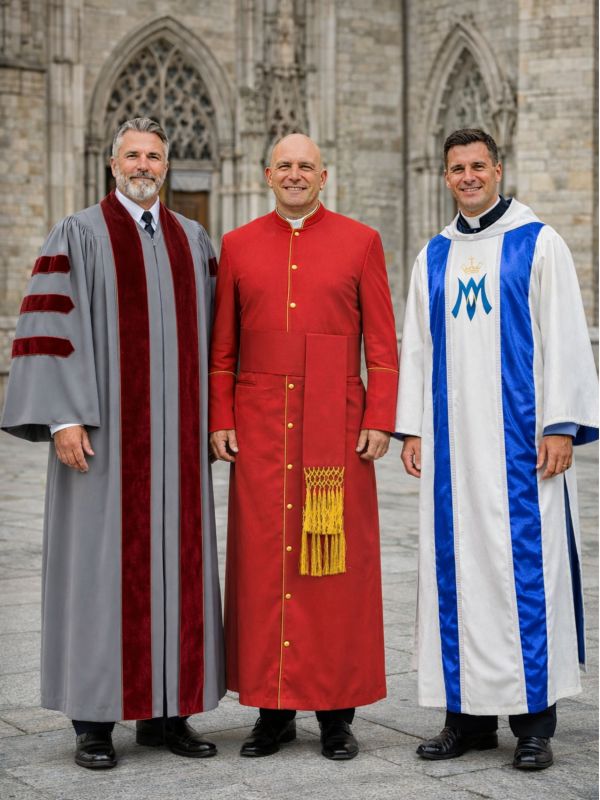
Long ago, church leaders started wearing special clothing during worship. Over time, this clothing became the preaching robe that many ministers wear today.
A robe helps people understand that the person standing in the pulpit has a special role. It shows leadership, service, and dedication to God. But preaching robes also serve a practical purpose.
When a minister wears a robe, the focus stays on the message instead of personal clothing. Without a robe, people might notice suits, colors, or fashion choices. A robe removes these distractions.
This is similar to how choir robes work. When choir members wear the same preaching robes, the attention stays on the music and worship.
Preaching Robes also create unity inside the church. When ministers and choir members wear clergy robes, the service looks organized and respectful.
Many churches also follow tradition. Some denominations have worn minister robes for hundreds of years. Wearing the robe connects modern ministry to the long history of the church.
For many pastors, putting on a preaching robe also has a spiritual meaning. It reminds them that they are stepping into a role of service and responsibility.
So the robe is not just clothing. It is part of the worship experience.
Challenges in Choosing the Right Preaching Robe
One common problem is heat and discomfort. Some minister robes are made from thick fabric. During long services, the robe becomes hot and uncomfortable. This can make preaching difficult. Some clergy robes are too long and drag on the floor. Others have sleeves that are too wide or too tight. When the robe does not fit well, it can look messy during services.
Ministers move a lot while preaching. They raise their hands, turn toward the congregation, and walk across the pulpit. If the robe is too heavy or stiff, it limits movement. Some ministers also struggle with quality issues. Cheap pastoral robes sometimes wrinkle easily or lose their shape after washing.
Church budgets can create another challenge. Not every church can afford expensive clergy clothing. This is why many ministers look for affordable minister robes that still look professional.
Some robes look beautiful online but do not match the style of the church. Others do not match the color or design of the choir robes, which can make the service look unbalanced. But the good news is that they can be avoided with a little planning.
How to Choose the Right Preaching Robe
Choosing the right preaching robe becomes easier when you know what to look for. The first thing to consider is comfort. A robe should feel light enough to wear during long services. Ministers often preach, pray, and lead worship for extended periods. If the robe feels heavy or tight, it can become distracting. Look for minister robes made from breathable fabric. Lightweight materials help keep ministers cool during services.
Next, think about movement. A good robe allows easy movement of the arms and shoulders. Some preaching robes include pleats in the back that help the fabric move naturally while walking or raising hands. The fit is also important. A robe should hang neatly from the shoulders and reach the correct length. It should not drag on the floor, and it should not feel too short either.
Many clergy stores provide sizing charts to help ministers choose the right size. Another thing to consider is the design. Traditional minister robes often have classic pleats and simple shapes. Some preaching robes include velvet panels, cuffs, or decorative stitching.
Modern clergy robes may have a more tailored look with lighter fabric. The right choice depends on the tradition and style of your church. Finally, always think about durability. A robe should last for years. High-quality stitching and strong fabric help ensure the robe stays in good condition even after many services.
Choosing the Right Color for Your Ministry
Color in ministry attire is far more than aesthetic, it communicates authority, mood, and spiritual symbolism. Selecting the right color for your preaching robe requires a balance of tradition, personal expression, and congregational expectations.
1. Understanding Color Symbolism
Different colors carry specific meanings within church contexts:
- Black: Often signifies authority, solemnity, and humility, common for traditional preaching robes.
- Purple: Represents royalty, wisdom, and spiritual reflection, making it popular for special occasions like Advent or Lent.
- White or Ivory: Symbolizes purity, resurrection, and celebration, frequently chosen for festive services and choir robes.
- Blue or Red Accents: Can add subtle individuality or denote denominational traditions, especially in piping or stoles.
Understanding these associations ensures your robe not only looks right but also resonates with your ministry’s message.
2. Aligning Color With Your Ministry Identity
Consider your congregation’s expectations, the tone of your sermons, and your personal ministry style. A bold color might energize and inspire, while a neutral palette promotes a sense of calm focus and reverence. Your robe’s color should reinforce your role as a leader without distracting from the message.
3. Practical Considerations
- Consistency: If your church has multiple ministers or a choir, coordinating robe colors maintains visual harmony.
- Seasonality: Some ministries rotate colors for liturgical seasons, consider having a few robes for different occasions.
- Maintenance: Lighter colors may require more frequent cleaning, while darker robes can hide wear but may feel warmer in certain climates.
By thoughtfully choosing color, your preaching robe becomes a subtle yet powerful tool that communicates respect, authority, and spiritual intent. When paired with the right style and fabric, the color can enhance your overall presence and leave a lasting impression on your congregation.
Taking Care of Your Preaching Robe
Once you choose the right preaching robe, it is important to take good care of it. Proper care helps the minister’s robe last longer and keeps it looking clean and professional.
- Always hang the robe on a strong hanger so it keeps its proper shape.
- Avoid folding the robe for long periods because it can create wrinkles.
- Use a garment bag to protect the robe from dust.
- Always follow the cleaning instructions from the manufacturer.
- Many modern minister robes are machine washable, which makes cleaning easy.
- Some robes may require gentle washing or dry cleaning.
- Regular care helps keep the fabric fresh and neat.
- Check the robe sometimes for loose threads or small damage.
- Fix small problems early to avoid bigger repairs later.
- A clean and well-kept robe shows respect and dignity in ministry.
Conclusion
A preaching robe may seem like a simple item, but it plays an important role in ministry. The right robe helps ministers feel confident, comfortable, and prepared to lead worship. It also helps create a respectful and organized atmosphere during church services.
By choosing the right fabric, fit, and style, ministers can avoid common problems like discomfort, poor movement, or low-quality materials. Whether you choose traditional minister robes, modern clergy robes, or affordable minister robes, the goal is the same. The robe should support your work in the pulpit and help you focus on sharing the message.
A good robe does not draw attention to itself. Instead, it helps the congregation focus on worship, prayer, and the Word of God. When chosen carefully, a preaching robe becomes a trusted part of ministry life. It is worn during sermons, celebrations, and important spiritual moments. And over time, it becomes part of the story of your ministry and the church community you serve.
Frequently Asked Questions (FAQs)
1. What is a preaching robe?
A preaching robe is a distinctive garment worn by pastors, ministers, and clergy during worship or preaching. More than just clothing, it symbolizes the sacred role of leadership, reverence, and focus on God’s Word. Preaching robes often resemble academic gowns and are designed to distinguish the minister from everyday attire.
Traditionally, preaching robes have roots in Reformation-era Protestant churches, but they are now worn across many denominations, including Baptist, Methodist, Lutheran, and Anglican communities. They provide a sense of unity, dignity, and spiritual authority. Some churches also use specialized choir robes for music teams, while ministers may wear tailored minister robes that reflect their pastoral role.
2. Why does the pastor wear robes?
Pastors wear robes for symbolic, practical, and traditional reasons:
- Symbolism: Robes visually communicate the pastor’s sacred calling, authority, and commitment to serve God and the congregation. They help shift attention from the person to the message being delivered.
- Tradition: Many churches continue the historical practice of wearing robes, connecting modern worship to centuries of liturgical heritage.
- Practicality: Robes create a professional and modest appearance, ensuring the pastor can lead confidently without distraction.
Wearing a robe is also a way to unite the clergy visually, provide uniformity in ceremonies, and signal moments of worship that are set apart as holy. Even affordable minister robes can achieve this sense of dignity while respecting budget considerations.
3. What colors do preachers wear?
The color of a preaching robe is not just aesthetic, it carries meaning and often aligns with liturgical tradition:
- Black: Authority, humility, and solemnity. Common in traditional or regular services.
- White: Purity, holiness, and celebration. Often worn on Easter, Christmas, weddings, and baptisms.
- Purple: Penitence, preparation, and spiritual reflection. Popular during Advent and Lent.
- Red: Symbolizes the Holy Spirit, sacrifice, and feast days like Pentecost.
- Green: Life, growth, and hope. Typically worn during Ordinary Time.
Some ministers add colored accents, piping, or stoles to reflect personal or denominational style. Choosing the right color enhances your presence and communicates meaning to your congregation.
4. What does the Bible say about pastors wearing robes?
The Bible does not explicitly instruct pastors to wear robes. However, it describes priestly garments in the Old Testament (Exodus 28) as holy attire set apart for sacred duties. These garments symbolize consecration, service and authority principles that many churches carry into modern pastoral robes.
In Christian practice, robes serve as a symbolic link to this tradition. They visually represent the pastor’s role in leading worship and honoring God. New Testament writings emphasize character, humility, and spiritual leadership over attire, so wearing robes is a matter of tradition, symbolism, and ministerial identity rather than strict biblical requirement.
5. Are robes mandatory for pastors?
No, robes are not mandatory, but they are a respected tradition in many denominations. Wearing a robe can enhance the worship experience, communicate leadership, and uphold the dignity of ministry. Churches often choose minister robes or choir robes based on budget, season, and occasion. Even affordable minister robes can convey authority and reverence without compromising quality or comfort.





Add comment
You must be logged in to post a comment.