
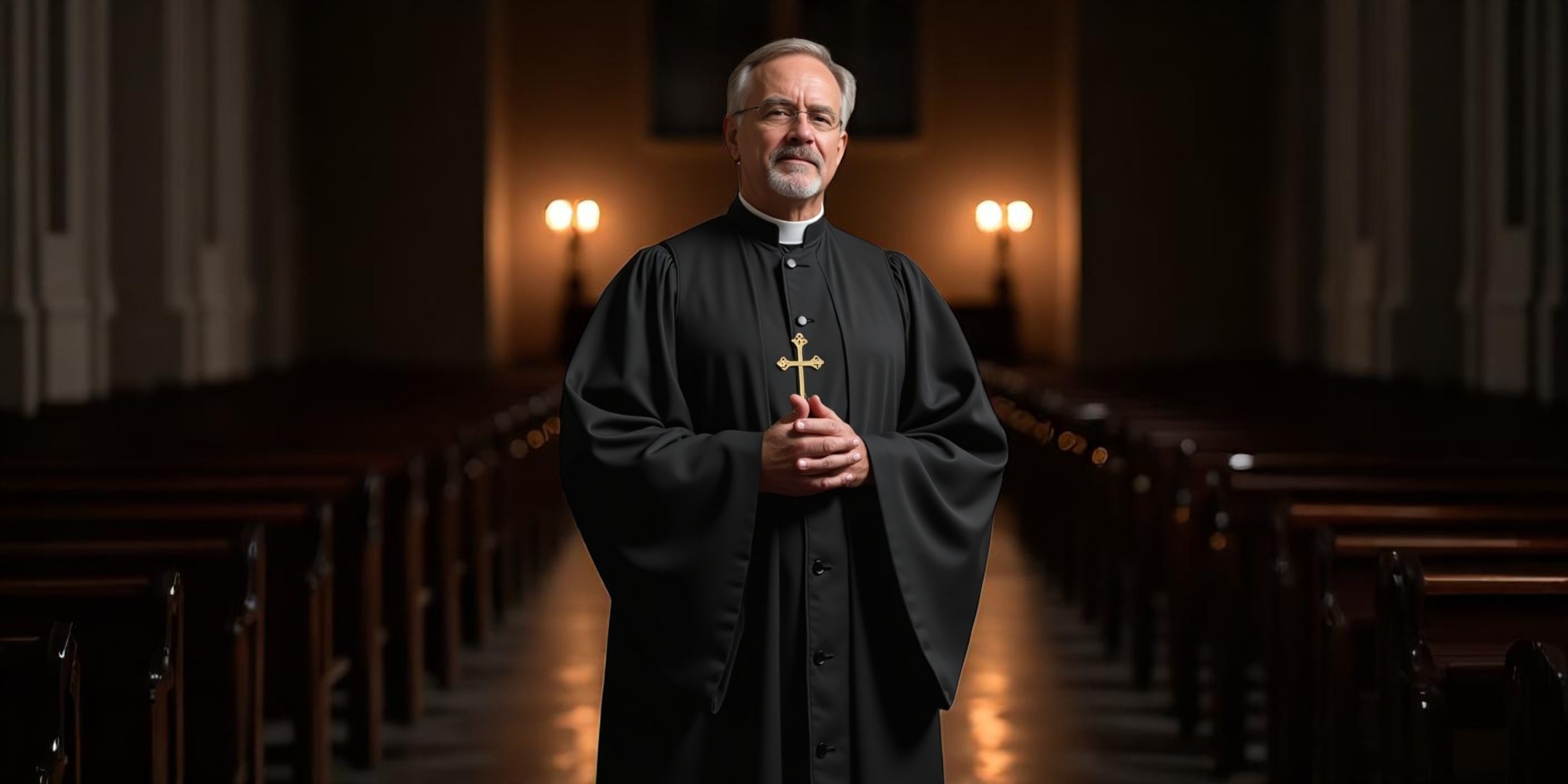
When we think about clergy attire, one item that stands out in the religious and spiritual community is the clergy robe. Whether you’re preparing for a special service or looking to invest in new garments for your ministry, understanding the significance and history of the clergy robe, as well as how to choose the perfect one, can be a daunting task. This guide will cover everything you need to know about the clergy robe, including its different styles, materials, and proper fit, as well as explore the relationship between clergy robes and other types of formal attire, such as Clergy Civic Attire.
What is a Clergy Robe?
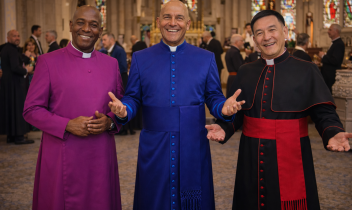
A clergy robe is a distinctive garment worn by clergy members during religious services, ceremonies, and other formal functions. It is an integral part of the religious attire, symbolizing humility, tradition, and the sacred role of the individual who wears it. The clergy robe is often worn with specific accessories, such as collars, stoles and other liturgical vestments, which can vary according to the denomination, religious tradition or personal preference of the wearer.
Clergy robes are not merely practical clothing, they carry deep symbolic meaning. The long, flowing design of the robe signifies spiritual authority, while the color often reflects the liturgical season. For example, purple is used during Lent, white during Easter and Christmas, and green for ordinary time.
The clergy robe has evolved over time, with different denominations adopting unique styles. However, at the core, the robe serves as a tool for ministers to present themselves as humble servants of God, cloaking their individual identities to emphasize the divine message.
A Brief History of the Clergy Robe
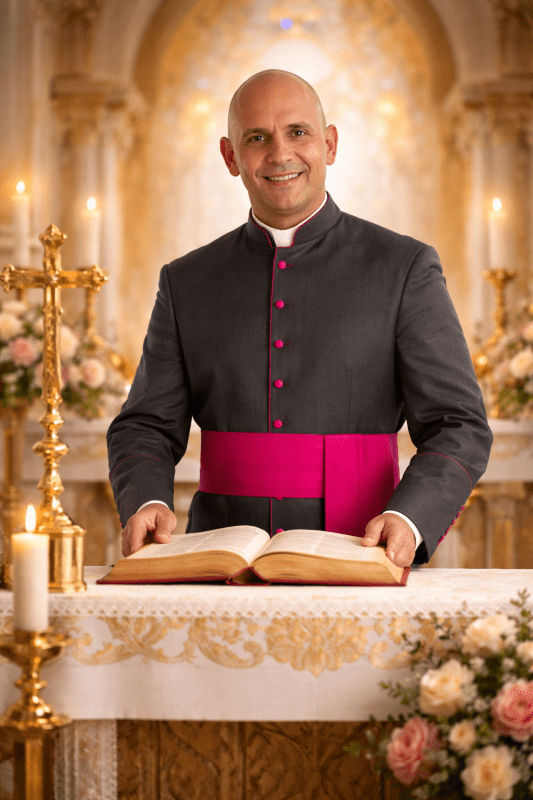
To understand the clergy robe’s full significance, it’s important to look at its history. The roots of clergy attire can be traced back to the early church when bishops, priests and deacons wore garments similar to the Roman toga. The original clergy robe was designed to signify separation from the secular world and to represent the sacred role of the clergy.
Over the centuries, the style of the robe has undergone significant changes, influenced by cultural shifts and denominational differences. In the 16th and 17th centuries, many Protestant churches began adopting simpler, less ornate robes, contrasting with the more elaborate garments worn by Roman Catholic clergy. Today, clergy robes are primarily designed to balance tradition with practicality, maintaining their connection to religious history while providing comfort for the wearer.
The Purpose and Significance of Clergy Robes
The clergy robe serves several important purposes:
- Symbol of Authority and Reverence: By wearing a clergy robe, ministers signify their special role within the religious community. The robe establishes a clear distinction between the clergy and the congregation, emphasizing the sanctity of their ministry.
- Denominational Identity: The type of clergy robe worn often reflects the denomination or tradition to which the wearer belongs. For example, Roman Catholic priests might wear a chasuble, while Protestant clergy might prefer a simple black robe. These robes help the congregation identify the specific role and denomination of the wearer.
- Reflecting the Sacred: The clergy robe is not just a piece of clothing, it is a representation of the wearer’s commitment to God and the ministry. It signifies the cleric’s humility and their role as a servant leader, prioritizing the sacred over the secular.
- Seasonal Liturgical Colors: As mentioned, clergy robes can be made in different colors, each signifying a particular season in the church year. These colors play a significant role in the worship experience and help guide the spiritual atmosphere of the service.
Understanding Clergy Civic Attire: What’s the Difference?
In addition to traditional clergy robes, ministers may also need Clergy Civic Attire for non-liturgical events. This form of attire is less formal than the religious robes worn during church services but still holds professional and ceremonial value.
Clergy Civic Attire typically consists of formal suits or dresses, often in darker colors like black, navy, or gray. The attire might include specific accessories such as a clergy collar or a stole, depending on the occasion. While not worn during religious services, Clergy Civic Attire serves as a way to maintain a formal and respectable appearance in secular settings, such as weddings, funerals, or public speaking engagements.
Though less ceremonial than the clergy robe, Clergy Civic Attire still retains the solemnity and professionalism required of clergy members in public spaces. It is a reflection of the balance clergy must maintain between their spiritual roles and their interactions with the wider world.
How to Choose the Right Clergy Robe
When choosing a clergy robe, it’s essential to take into account several factors to ensure it suits your ministry’s needs and enhances your presence in the pulpit. Here are key considerations for selecting the perfect robe:
1. Material Matters
The material of the clergy robe plays a significant role in both comfort and durability. Common materials include polyester, cotton, wool, and blends. Polyester is often chosen for its affordability and ease of care, while cotton and wool offer breathability and warmth, making them ideal for colder climates.
2. Fit and Comfort
A clergy robe should be both comfortable and functional. Pay attention to the fit, whether it’s loose or tailored to ensure freedom of movement during the service. The robe should be long enough to maintain a formal look but not so long that it becomes cumbersome.
3. Design and Style
The design of a clergy robe can vary significantly depending on your denomination or personal preference. Some robes feature simple lines and a minimalist look, while others may be more ornate with embroidery, intricate stitching, or decorative elements. The style you choose will often reflect the type of ministry you serve in and the formality of your religious practices.
4. Consider Liturgical Seasons
When choosing a clergy robe, consider how it will function throughout the church year. Some clergy robes come with interchangeable stoles or liturgical colors that allow the minister to change according to the season. If you’re a liturgical minister, this feature will be especially important.
5. Functionality and Durability
While aesthetics are important, don’t forget about functionality. Choose a robe that can withstand frequent wear and cleaning. Durability is crucial, especially for clergy members who wear their robes regularly.
Frequently Asked Questions (FAQs)
What are clergy robes called?
Clergy robes are commonly referred to as cassocks, albs, or preaching robes, depending on the denomination and purpose. In Protestant traditions, they are often called preaching robes, while in Catholic and Anglican traditions, terms like cassock and alb are more widely used. Each type serves a specific liturgical or ceremonial function.
What is civic attire for clergy?
Clergy Civic Attire refers to formal, non-liturgical clothing worn by clergy in public or professional settings outside religious services. This typically includes a dark suit or dress paired with a clerical collar. It is worn during events such as weddings, funerals, community gatherings, or official meetings, maintaining a professional and respectful appearance.
What are the rules for wearing clergy attire?
The rules for wearing clergy attire vary by denomination, but generally include:
- Wearing appropriate garments for the occasion (liturgical vs. civic)
- Maintaining modesty and simplicity
- Using correct liturgical colors when required
- Ensuring the attire is clean, well-fitted, and respectful
Some traditions also require clergy to wear specific garments only during ordained duties, while others allow daily use of clerical clothing.
How long should a clergy robe be?
A clergy robe should typically reach the ankle or slightly above the shoe line. The length should provide a formal and flowing appearance without dragging on the floor. Proper length ensures both dignity and ease of movement during services.
What is a full-length clerical robe called?
A full-length clerical robe is most commonly called a cassock. It is a long, close-fitting garment traditionally worn by clergy members in many Christian denominations. In some Protestant settings, a similar full-length garment may also be referred to as a preaching robe.
Why do pastors wear black robes?
Pastors wear black robes to symbolize humility, authority, and devotion to God. The black color represents simplicity and the idea that the focus should remain on the message, not the individual. Historically, black robes were also associated with academic and theological tradition, reflecting the pastor’s role as a teacher.
What to do with old clergy robes?
Old clergy robes can be:
- Donated to churches, seminaries, or ministers in need
- Repurposed into smaller liturgical items like stoles or altar cloths
- Stored for historical or sentimental value
- Recycled responsibly if no longer usable
Many ministries choose donation as a way to support new or underfunded clergy.
What do priests wear under their robes?
Priests typically wear clerical shirts with collars under their robes. In some traditions, they may also wear garments such as an alb or cassock beneath outer vestments. The exact clothing depends on the denomination, occasion, and level of formality required.
Conclusion
The clergy robe is a symbol of the sacred and the sacred role of the wearer within the church. Understanding its significance, how it fits into religious traditions and how to choose the right one for your ministry is essential for any minister. Whether you’re seeking a robe for personal use or for a larger congregation.
When paired with appropriate Clergy Civic Attire for non-liturgical settings, you can ensure that your appearance remains dignified and in keeping with your ministry’s values and purpose. By choosing a robe that reflects your denomination’s tradition and your personal comfort, you can confidently step into any service, knowing that your attire enhances your role as a spiritual leader.
So, embrace the tradition, understand the meaning, and choose the clergy robe that best represents your faith and commitment to the service of God and community.




Add comment
You must be logged in to post a comment.