
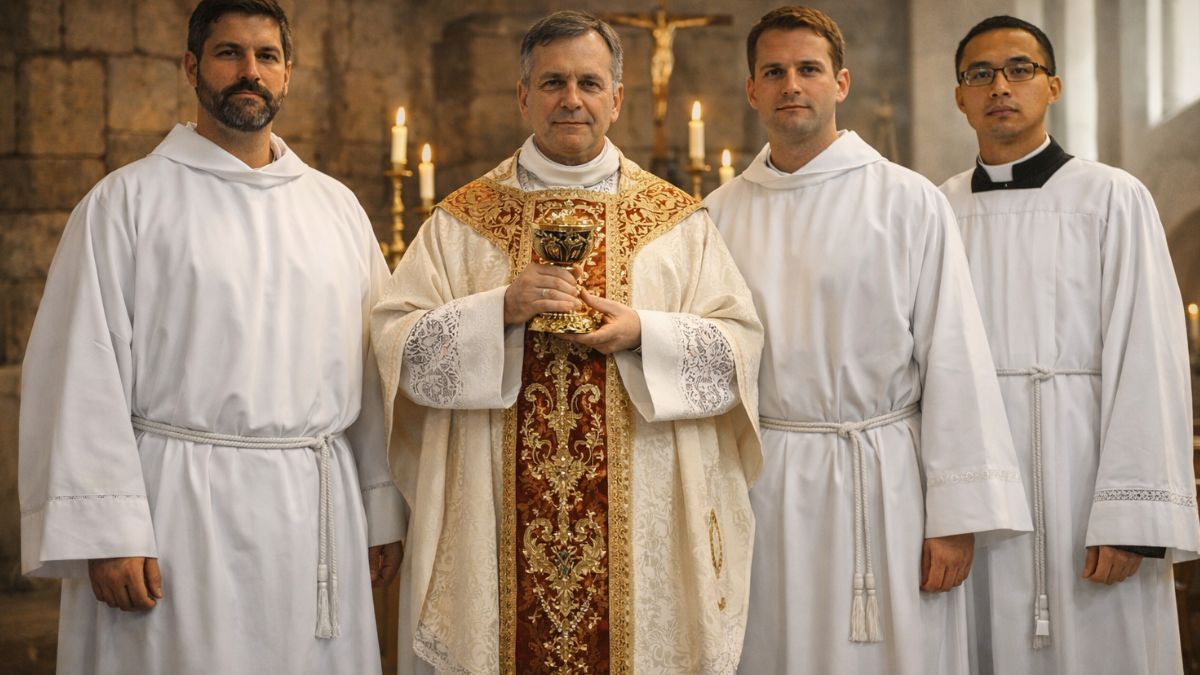
For centuries, the alb has been a signature piece of male pastor attire, silently telling stories of faith, tradition, and spiritual commitment. Its simple white fabric may seem plain at first glance, but behind every fold lies a rich tapestry of history and symbolism. From early Christian gatherings in Rome to the modern church, the alb has remained a steadfast garment, evolving in style yet maintaining its sacred essence.
In this article, we’ll explore the history of albs, uncover some surprising facts about this enduring garment, and see how it continues to play a vital role in religious life today.
The Early Roots of the Alb

The alb traces its roots back nearly two millennia, emerging from everyday tunics worn during the Roman Empire. White linen or wool garments were common among the Romans, worn for both comfort and status. Early Christians adopted these tunics, adding a layer of spiritual meaning. The whiteness came to symbolize purity, humility, and the idea of starting anew, a reflection of the Christian journey itself.
Interestingly, not everyone could wear these early tunics in religious settings. Only those committed to the church’s ministry or certain rituals were permitted to wear what eventually evolved into the formal alb. This distinction helped shape the early identity of clergy members, setting them apart in both appearance and role.
By the Middle Ages, clergy albs had developed distinct features. The tunic became longer, more flowing, and in some regions, featured subtle embroidery at the sleeves or hem. This wasn’t about fashion, it was a reflection of the craftsmanship of the era and the importance placed on ceremonial dress. Even today, when a pastor dons an alb, they are connecting with a tradition that spans continents and centuries.
Symbols and Significance Woven into Every Thread
Every alb carries meaning beyond its appearance. The white color remains central, representing spiritual cleansing and devotion. When paired with a stole or cincture, the alb forms part of a layered system of symbolism: the layers tell the congregation about the pastor’s role, the season of the church year, and the sacredness of the ceremony.
What’s fascinating is how these symbolic choices vary subtly across regions. In some European traditions, the alb might feature delicate lace or embroidered crosses; in other traditions, simplicity is emphasized, reflecting theological priorities. These small details reveal a rich dialogue between local culture, religious interpretation, and the universal identity of clergy.
Even today, male pastor attire uses these visual cues intentionally. When a congregation sees a pastor in a white alb, it signals authority, trust, and spiritual guidance, without a single word being spoken.
Little-Known Facts About Albs
Most people assume the alb is just a robe, but its history is full of interesting details:
- Connection to Roman Senators – Early albs were inspired by the tunics of Roman senators, blending authority and dignity with simplicity.
- Symbol of Baptism – In some traditions, albs were initially worn only during baptism ceremonies to reflect a spiritual “cleansing” of the soul.
- Adaptation Over Time – As church architecture became grander, albs were adjusted in length and width to match the dramatic setting of cathedrals, making the flowing white robes appear even more striking during processions.
- Gender and Roles – While most commonly worn by male pastors, historical records indicate that nuns and female religious figures also adopted alb-style garments, showing its broad influence.
These insights reveal that the alb is not merely a garment but a living piece of history, adapting to the needs of the church while maintaining symbolic continuity.
Evolution of Style Across Centuries
Over the centuries, clergy albs have seen remarkable transformations:
- Medieval Era: Long, elaborate, sometimes featuring ornate lace and colored embroidery. Albs signaled rank as much as spiritual authority.
- Reformation Period: A shift to simplicity and minimal decoration, reflecting theological focus on humility and devotion rather than visual opulence.
- Modern Times: Fabrics are lightweight, breathable, and easier to maintain. Styles are standardized to provide uniformity, yet options exist for different lengths, fits, and ceremonial needs.
These adaptations show how male pastor attire has balanced tradition with practical needs. Even as fabrics and tailoring techniques evolved, the alb retained its central role as a symbol of dedication and spiritual service.
Wearing and Caring for an Alb Today
Proper use of an alb is essential. Pastors typically pair it with a cincture or belt to create a neat silhouette, and may layer a stole or chasuble on top to denote rank or the liturgical season. Attention to detail matters: a well-maintained alb enhances presence, conveys professionalism, and reflects respect for the congregation.
Maintenance has become easier with modern fabrics. Machine-washable blends allow pastors to preserve the garment’s pristine appearance without extensive care. Many clergy now have multiple albs, ensuring that services, baptisms, weddings, and other ceremonies are conducted with appropriate attire.
The Alb in Contemporary Clergy Fashion
Today, the alb continues to serve as a foundational piece of male pastor attire, bridging centuries of tradition with the practicalities of modern ministry. Beyond symbolism, it provides comfort during long services and a unifying look that conveys trust and authority.
Some churches now offer albs made with sustainable materials, reflecting broader ethical concerns and modern sensibilities. Others experiment with subtle design variations, keeping the garment fresh while respecting its heritage. This balance between innovation and tradition ensures that the alb remains relevant and respected in the 21st century.
Conclusion: Threads of Faith and History
The alb is much more than a garment, it is a thread connecting pastors across time, a visible marker of commitment, and a repository of historical and spiritual significance. From Roman tunics to today’s lightweight robes, albs have evolved while maintaining their core symbolism of purity, humility, and devotion.
For any pastor or religious leader, wearing an alb is a way to honor centuries of tradition while actively participating in the living story of the church. Through its folds, colors, and textures, the alb tells a story of faith, service, and enduring relevance, a story that continues to inspire and guide communities around the world.
Frequently Asked Questions
What is an alb in church?
An alb is a long white garment worn by clergy during church services. It represents purity and is a key part of male pastor attire.
What does the alb mean?
The alb symbolizes spiritual cleanliness, humility, and dedication to God. Its white color reflects the idea of a pure heart in service.
What is an albs?
“Albs” is simply the plural of alb, referring to multiple white robes worn by clergy during liturgical ceremonies.
Do priests wear albs?
Yes, priests and pastors often wear albs during services, baptisms, and special ceremonies as part of their traditional attire.
Who wears an alb?
Clergy members, including priests, pastors, deacons, and sometimes altar servers, wear albs during church services.
How to wear an alb
An alb is worn long, reaching the ankles, often secured at the waist with a cincture. Stoles or chasubles can be added on top depending on the service.
Are alb and cassock the same?
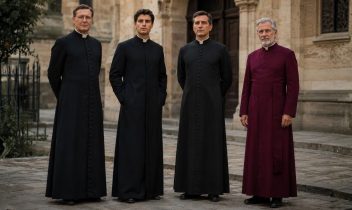
No. An alb is a white liturgical garment, while a cassock is a full-length robe, usually darker, worn under or instead of an alb in some traditions.
Is an ALB a robe?
Yes, the alb is a type of robe used in Christian worship, specifically for clergy.
What does an alb symbolize?
It symbolizes purity, devotion, and spiritual service, reflecting the wearer’s commitment to God and the church.
Can anyone wear an alb?
Traditionally, albs are worn by ordained clergy or authorized church ministers, not by the general public.
What is alb and chasuble?
An alb is the white base garment, and a chasuble is the outer colored vestment worn over the alb during Mass or special services.
What is the difference between an alb and a cassock-alb?
An alb is always white and worn for liturgical purposes. A cassock-alb combines features of a cassock and an alb, often worn by ministers for both practicality and ceremonial reasons.




Add comment
You must be logged in to post a comment.